

Best Medicine for Tooth Infection in Pakistan Honest Answer Your Pharmacist Won’t Tell You
If you are looking for the best medicine for tooth infection in Pakistan, you have probably already asked someone at the pharmacy counter. You may have been on a round of antibiotics, felt better for a week or two and then seen the swelling return. That pattern is exhausting and an indication you’re focusing on the wrong issue. The unfortunate truth is that there is no tablet that you can buy from any pharmacy in Lahore, Karachi or Islamabad that would permanently cure a tooth infection. "Medicine can buy you time. It is pain relieving. It can prevent the virus from spreading further. But it will not reach the bacteria hiding in a dead tooth and until that source is gone, the condition will continue to return.

Why Antibiotics Don’t Work for Tooth Infections
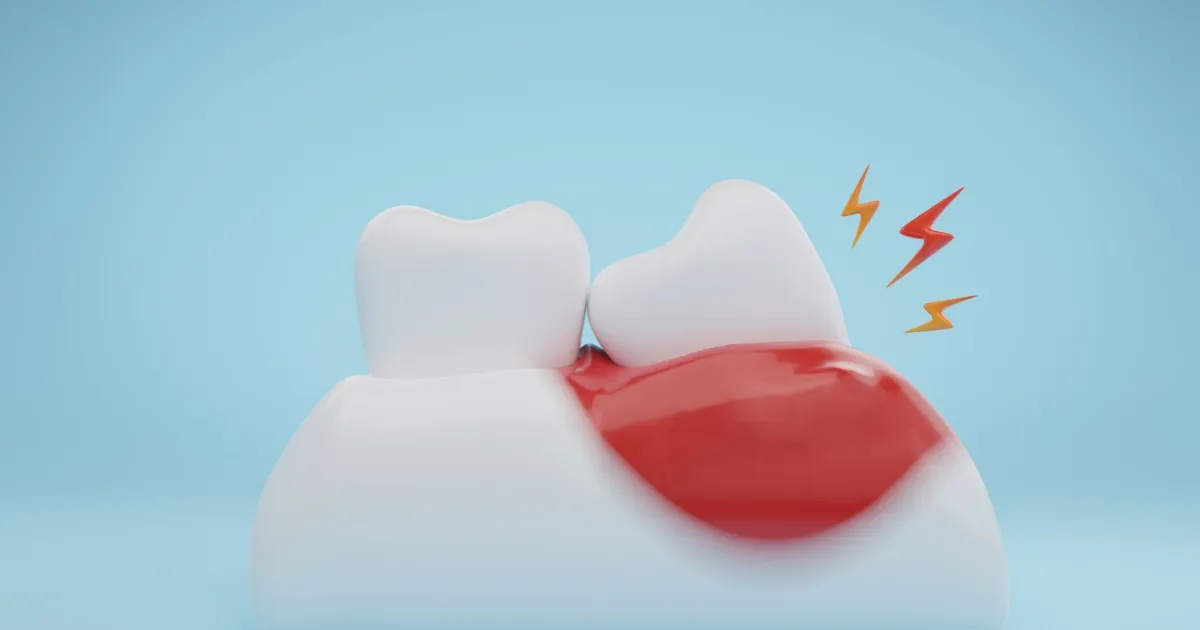
A tooth infection is different than a throat infection or a skin infection. Bacteria invade the pulp of your tooth and kill the tissue. Dead tissue contains no blood. And here’s the thing: antibiotics move through your blood. If that tooth's interior has no blood flow, the antibiotic can't reach it, either. The germs are safe in their sealed container, and the medicine goes everywhere else.
Hence the typical pattern appears. You are on antibiotics. The swelling in your gum or cheek gets better because the medicine is fighting against the infection that was spreading into surrounding tissue . You breathe out. But the source – the dead pulp inside the tooth – is still there, still holding bacteria. Weeks or months down the line the infection recurs. With every round of antibiotics the bacteria become more resistant and the tooth becomes tougher to save.
What Medicines Are Really Used?
Dentists in Pakistan do give antibiotics for tooth infection but they do so for certain reasons. A study of dentists in Karachi found the most commonly administered antibiotic was amoxicillin-clavulanate, followed by metronidazole and amoxicillin. These are the standard choices for dental infections when antibiotics are really needed.
Amoxicillin is a penicillin-like antibiotic that is effective against several oral bacteria. Amoxicillin-clavulanate (Augmentin and its relatives) is amoxicillin plus clavulanic acid to combat bacteria that develop beta-lactamase enzymes that could otherwise destroy simple amoxicillin. Metronidazole works by attacking anaerobic bacteria, which are germs that prefer oxygen-deprived conditions like deep gum pockets and infected root canals.
For patients allergic to penicillin, dentists may select clindamycin, cephalosporins or erythromycin. Each has its own profile of efficacy and adverse effects.
But here's the most important thing. Antibiotics are used when the infection is progressing past the tooth, when there is swelling of the face, fever, or involvement of the lymph nodes. Most of the time, antibiotics are not needed at all for a localised toothache without swelling. The treatment that is required is dental treatment, not medical.
The Trouble with Buying Antibiotics Over-the-counter
Antibiotic abuse is a well-known concern in Pakistan. Antibiotics are easily found without a prescription and many people treat themselves when their tooth starts aching. A qualitative study in Karachi indicated that dentists had very little knowledge about antimicrobial stewardship, with 11 out of 12 dentists unaware of the concept. Antibiotic prescribing was driven by senior-led traditions rather than evidence-based standards and no participants recorded the rationale behind their antibiotic decisions.
This is not only an intellectual issue. Every course of needless antibiotics teaches bacteria how to withstand the drugs we rely on. Pakistan’s drug resistance rates are already high. When you take antibiotics for a toothache that doesn’t need them, you are helping to create a problem that makes future infections harder to cure – for you and for everyone else.
When the Answer Is Medicine
Sometimes antibiotics are the right and essential thing to do. If the infection is progressing, you may get swelling of your face or jaw, fever, swollen lymph nodes, or trouble opening your mouth or swallowing. This is a medical problem, and part of the treatment is antibiotics. In such instances you need to consult a dentist or doctor quickly and not self prescribe.
Antibiotics are sometimes given before dental treatments to protect patients from getting infections. This is especially true for people who have weakened immune systems or certain cardiac diseases. And following a surgical extraction, a dentist might recommend a brief course if there’s a risk of infection.
But a simple toothache from a cavity or infected pulp is best treated with a root canal or an extraction. The drug does not fix the tooth. That only masks the problem.
Pain Relief: What Works, What Doesn't
Painkillers can help you to manage the pain until you can get dental care. Ibuprofen (Brufen, Nurofen) is typically better than paracetamol for toothache, as well as pain relief it lowers inflammation. If you are unable to take ibuprofen then Panadol (Paracetamol) is a safe substitute. Alternating the two may provide you better relief than either one alone, but you have to keep track of your doses carefully.
What doesn’t work: Applying the aspirin directly to the gum. It is a typical home medication in Pakistan and leads to chemical burns on the gum tissue. Don't. Clove oil may give temporary numbness but is not a therapy. And no topical cream or rinse is going to get to an infection inside a tooth.
What Really Kills a Tooth Infection
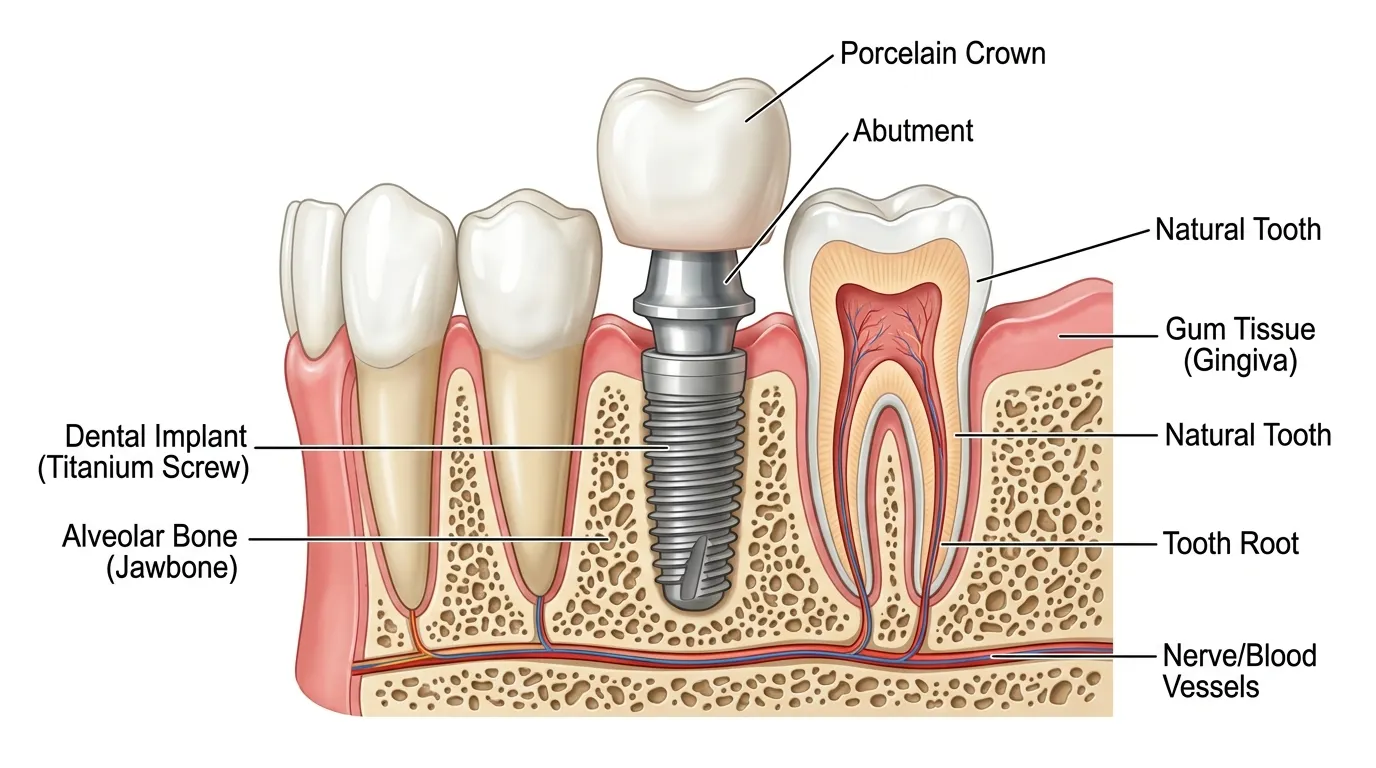
The lasting repair is mechanical, not chemical: The dentist has to remove the affected tissue. This involves either a root canal, when the pulp is cleaned out, disinfected and sealed, or an extraction, where the tooth is taken out completely.
A root canal preserves the tooth. It is taken out. Which choice you make depends on how much viable tooth structure is left, if the infection has spread to the bone around the tooth, and if the tooth can be saved with a crown. Today, root canals are much more comfortable than their reputation suggests. And they save your natural tooth for years or decades.
We witness the effects of delayed treatment all the time at Ideal Smile Dentistry. These patients typically come in after weeks of going around the antibiotic merry-go-round with a tooth that could have been salvaged with a simple root canal that now needs to be extracted. “The earlier you treat the source, the easier and less expensive the solution will be,” reminds patients Dr. Sara Imtiaz, associate dentist with a special interest in root canal treatment and implant dentistry.
A Patient Story
“I had a bad molar for several months. Every time it would flare up I would take some antibiotics from the medical shop and it would calm down. And then it came back worse. I finally went to Ideal Smile and they informed me the tooth was too far gone for a root canal and had to be pulled. I regret not going the first time and depending on medications. —Rashid K, Phase 4 DHA Lahore
Red Flags That Mean You Need Help Now
Some symptoms don’t need to wait for a dentist appointment. If the swelling goes into your cheek, mouth, under your eye or down your neck it’s a sign the infection is going into dangerous places. Fever is the infection going systemic. Difficulty swallowing or breathing is a medical emergency. Go to a hospital immediately. A puffy eye or stiff neck need immediate attention.
These are uncommon conditions but they do arise and can become life-threatening if untreated. A tablet won't solve it. Will provide emergency medical or dental care.
Frequently Asked Questions
What is the best medication for tooth infection in Pakistan?
The most frequently recommended agent is amoxicillin-clavulanate, with or without metronidazole for anaerobic coverage. Antibiotics only work if the infection is growing, and they don't treat the tooth itself.
Can I get antibiotics for a toothache without a dentist?
You can, but you don't want to. Self-medicating antibiotics delays getting proper treatment, builds resistance, and will not stop the infection from returning.
Why does my tooth infection return after antibiotics?
The antibiotics inhibit the spread of infection but are unable to penetrate the dead tissue within the tooth. The bacteria stay there until that tissue is removed via a root canal or extraction.
How long does a tooth infection take to go away with medication?
The swelling and pain might get better in 2-3 days after starting antibiotics, but the infection itself is still there. Dental therapy is necessary for permanent cure.
When do I go to hospital rather than dentist?
If you have trouble breathing or swallowing, swelling around your eye or throat or a high fever with a rapidly developing swelling, seek immediate medical attention at a hospital emergency department.














Sign in to leave a comment.