
Introduction
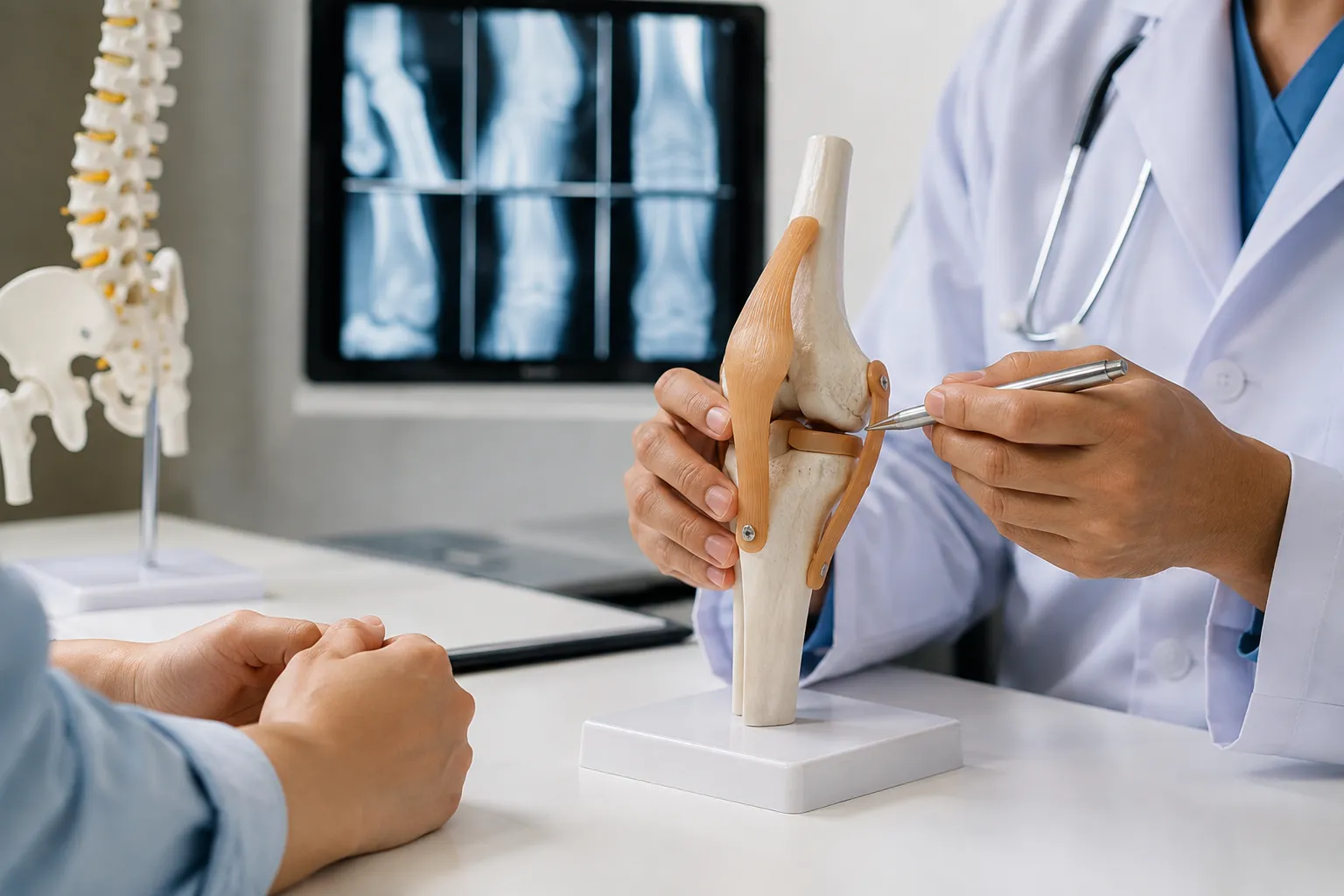
Orthopedic health plays an important role in maintaining mobility, independence, and quality of life. From sports injuries and fractures to arthritis and joint pain, musculoskeletal conditions can affect people of different ages and activity levels. Choosing the right doctor is therefore an important healthcare decision, particularly when pain persists or limits everyday movement. A qualified orthopedic specialist can evaluate symptoms, identify the underlying problem, and recommend an appropriate treatment plan based on individual needs. Patients should consider professional qualifications, relevant experience, diagnostic facilities, treatment options, and communication when comparing healthcare providers. Making an informed choice can help ensure that orthopedic concerns receive timely and appropriate attention.
For patients researching the best orthopedic doctor in hisar, it is important to look beyond online rankings or general popularity. A specialist's expertise should match the patient's particular condition, whether it involves the knee, hip, shoulder, spine, bones, muscles, ligaments, or joints.
Why This Topic Matters
Orthopedic conditions can range from minor injuries to complex problems requiring long-term management. Delaying an appropriate assessment may sometimes allow symptoms to interfere further with mobility and daily activities.
Common orthopedic concerns include:
- Arthritis and joint degeneration
- Fractures and bone injuries
- Sports-related injuries
- Ligament and tendon problems
- Knee and hip pain
- Shoulder conditions
- Back and neck-related musculoskeletal problems
- Joint stiffness and restricted movement
Early evaluation can help determine the cause of symptoms and identify whether conservative treatment, rehabilitation, medication, or surgery may be appropriate.
Key Concepts, Features, or Strategies
Consider Qualifications and Experience
A doctor's qualifications and professional experience are important when selecting an orthopedic specialist. Patients should consider whether the doctor has relevant training and regularly treats conditions similar to their own.
For example, someone with a sports injury may benefit from a specialist experienced in ligament, tendon, and sports-related conditions, while a patient with advanced joint degeneration may require expertise in joint replacement or other specialized procedures.
Evaluate Diagnostic Support
Accurate diagnosis is a foundation of effective orthopedic care. Depending on the symptoms, a doctor may recommend physical examination, X-rays, MRI scans, CT scans, blood tests, or other investigations.
A healthcare facility with appropriate diagnostic support can make the evaluation process more organized. Patients should also ask whether additional investigations are necessary and how the results will influence the proposed treatment.
Understand Treatment Options
Orthopedic treatment is not limited to surgery. Depending on the condition and its severity, treatment may include:
- Medication for pain and inflammation
- Physiotherapy and rehabilitation
- Exercise and activity modification
- Bracing or supportive devices
- Injections in selected cases
- Surgical procedures when medically necessary
A responsible specialist should explain the available options, expected outcomes, possible risks, and recovery requirements before recommending an intervention.
Benefits and Practical Applications
Selecting an appropriate orthopedic specialist can help patients understand their condition and participate more confidently in treatment decisions. Good communication is particularly important because orthopedic recovery may involve lifestyle changes, rehabilitation, and follow-up appointments.
Patients can make their consultation more productive by bringing:
- Previous medical reports
- X-rays, MRI scans, or other imaging
- Current medication details
- Information about previous treatments
- A brief history of symptoms
- Details about activities that increase discomfort
Patients should also explain how the condition affects walking, working, sleeping, exercising, or other routine activities. These details can help the specialist understand the practical impact of the problem.
Common Challenges and Solutions
One common misconception is that orthopedic treatment always involves surgery. In many situations, doctors may first recommend conservative approaches such as physiotherapy, medication, exercise, or activity modification.
Another challenge is choosing a doctor based only on online reviews. Reviews can provide useful perspectives, but they should not replace consideration of qualifications, clinical experience, facilities, and treatment approach.
Patients should also be cautious about self-diagnosing based on internet searches. Similar symptoms can arise from different conditions, so professional evaluation is important before beginning a treatment plan.
Finally, patients should seek timely attention when pain follows a serious injury, when a joint becomes severely swollen, or when there is significant difficulty moving a limb.
Conclusion
Choosing an orthopedic specialist should involve careful consideration of qualifications, experience, diagnostic facilities, treatment options, and patient communication. People searching for the best orthopedic doctor in hisar should compare these factors according to their specific orthopedic concerns rather than relying only on popularity or convenience. Orthomed Hospital can also be considered when researching orthopedic consultation and treatment options. Ultimately, an informed decision supported by professional evaluation can help patients understand their condition, explore suitable treatments, and work toward safer recovery and improved mobility.
FAQs
1. When should I consult an orthopedic specialist?
You should consider consultation when joint or bone pain persists, movement becomes difficult, an injury does not improve, or symptoms interfere with normal activities.
2. Does orthopedic treatment always require surgery?
No. Depending on the diagnosis, many conditions can initially be managed with medication, physiotherapy, exercise, rehabilitation, or lifestyle changes.
3. What should I take to an orthopedic appointment?
Bring previous medical reports, imaging results, medication details, and information about previous treatments. A short record of when symptoms started can also be useful.
4. How can I choose a reliable orthopedic specialist?
Consider professional qualifications, relevant experience, diagnostic support, treatment options, communication, rehabilitation services, and follow-up care before making a decision.
5. What services may an orthopedic hospital provide?
Orthomed Hospital may be considered when researching orthopedic healthcare services. Patients should review the available specialists, diagnostic facilities, treatment options, and services relevant to their particular condition.





















Sign in to leave a comment.