Best Paint for Interior Walls: How to Choose the Right Option for Your Home
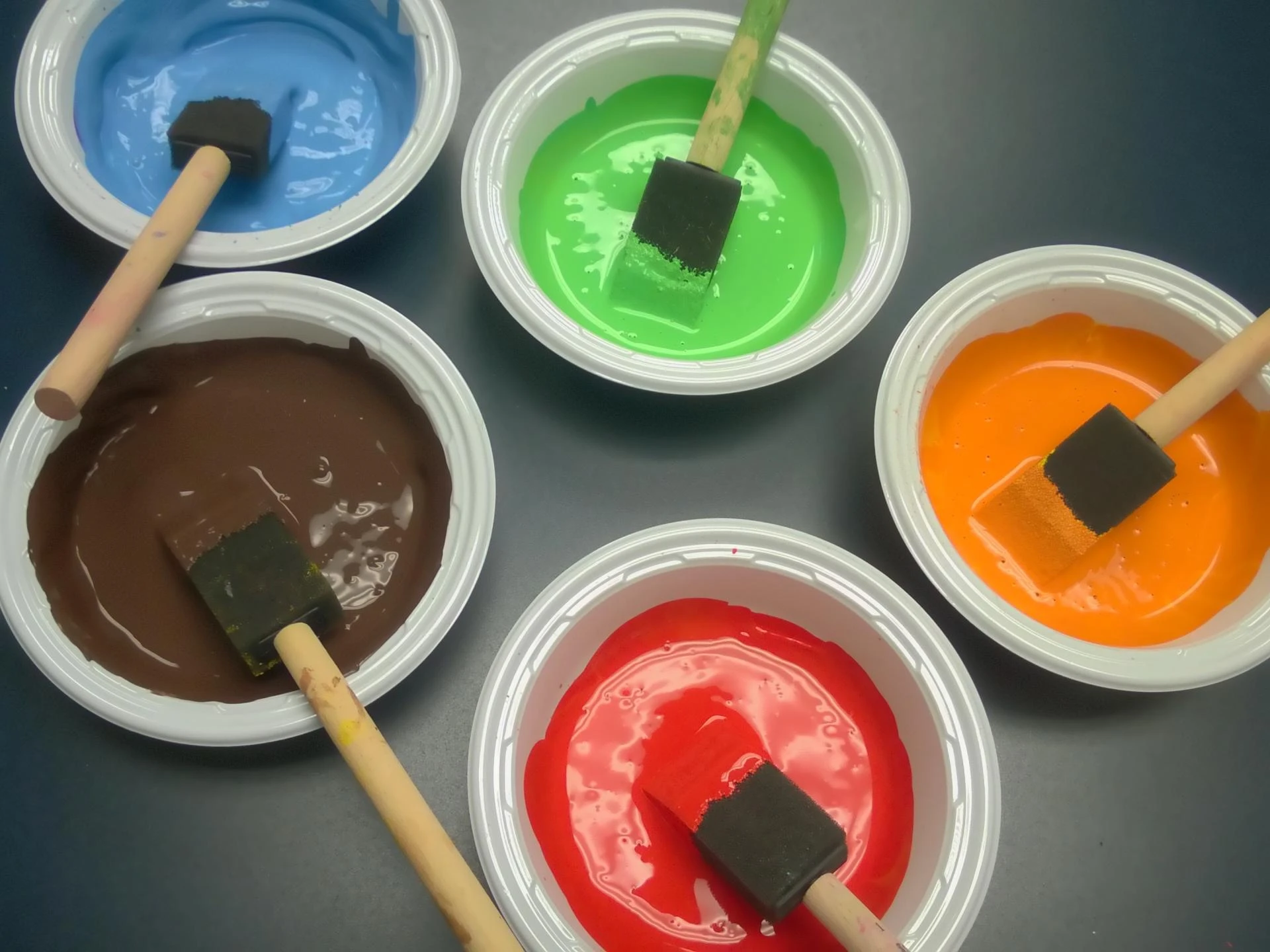

Interior paint does more than add colour to a room. It influences the appearance of the walls, the overall atmosphere, and how easily surfaces can be maintained. The right choice depends on the room's purpose, the condition of the walls, your preferred finish, and your budget.
A bedroom may benefit from a soft, understated finish, while a busy living room or dining area may need a paint designed for easier cleaning. Kitchens, corridors, and children's rooms also have different practical requirements.
Understanding these differences can help homeowners make informed decisions when renovating a flat, painting a new house, or refreshing their interiors before upcoming Indian festivals.
What Should You Consider When Choosing Interior Paint?
Before selecting a product, evaluate the requirements of the room rather than choosing paint based only on its colour.
1. Room Function
Different rooms experience different levels of use.
- Living rooms: Consider a durable finish suitable for regular household activity.
- Bedrooms: Select a finish that complements the desired appearance and is appropriate for the wall condition.
- Kitchens and dining areas: Consider washability and ease of maintenance where suitable for the product.
- Corridors: Look for an option appropriate for areas where walls may experience frequent contact.
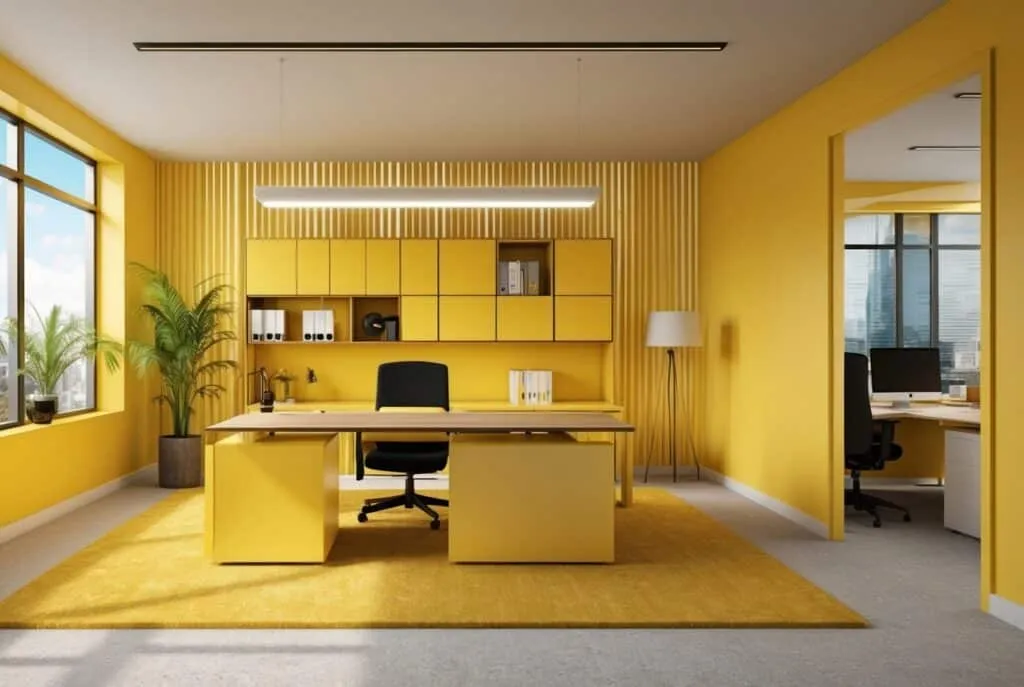
- Home offices: Choose a colour and finish that work comfortably with the room's lighting and furniture.
The most suitable product will depend on the manufacturer's stated properties and the conditions in which it is used.
2. Paint Finish
Interior paints are available in different finishes, including matte, soft sheen, satin, and higher-sheen options. Each creates a different visual effect.
Matte finishes generally provide a less reflective appearance, while sheen finishes reflect more light. The right selection depends on the product specifications, the wall surface, and the appearance you want.
Do not assume every finish has the same cleaning or durability characteristics. Check the manufacturer's guidance before making your selection.
3. Washability and Durability
Washability can be useful in rooms where fingerprints, splashes, and everyday marks are more likely. Durability is also important because repainting frequently can increase maintenance costs over time.
When comparing products, review their stated washability, stain resistance, coverage, and recommended application method. These features vary across paint ranges, so check the specifications for the particular product you intend to use.
4. Wall Preparation
Even good paint may not deliver the expected appearance if the wall is poorly prepared. Dust, loose paint, cracks, uneven plaster, and moisture problems can affect the final result.
Before painting, inspect the wall, repair defects, and allow damp surfaces to dry after addressing the underlying cause. Use a suitable primer where recommended by the paint system.
How to Choose Colours for Different Interior Spaces
The colour you select should complement both the purpose of the room and its existing features.
Neutral Shades for Living Rooms
White, cream, beige, and grey provide a versatile background for furniture and decorative accessories. They can work with traditional wooden furniture, modern sofas, and a wide variety of flooring styles.
Warm beige and cream create a softer appearance, while white and light grey suit more contemporary interiors. Add colour through cushions, curtains, artwork, and plants.
Earthy Colours for Bedrooms
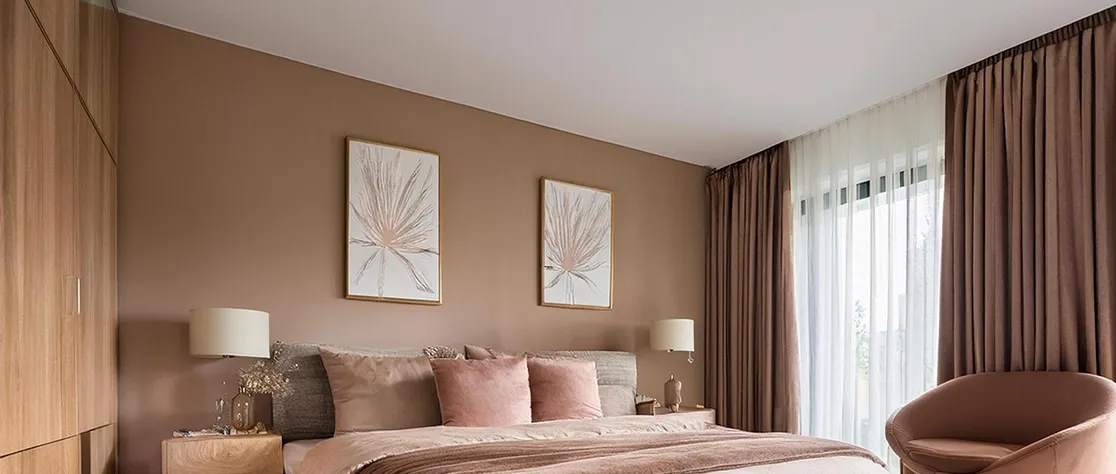
Muted green, beige, taupe, and soft brown can create a natural, understated bedroom. These shades pair well with wooden furniture and neutral bedding.
If you prefer a stronger colour, consider using deeper green or blue on one feature wall while keeping the remaining walls lighter.
Fresh Colours for Kitchens
Light green, warm white, pale yellow, and cream can create a bright kitchen interior. The choice should complement cabinets, tiles, countertops, and the amount of natural light.
For areas that require regular cleaning, check whether the chosen paint is suitable for the intended surface and maintenance routine.
Pastels for Children's Rooms and Study Areas
Mint green, sky blue, lilac, and blush pink can introduce colour without relying on highly saturated shades. Combine them with white or beige to create a balanced scheme.
For study spaces, consider how the colours appear under the lighting used for reading and working.
How to Find the Best Paint for Interior Walls
The best paint for interior walls is not necessarily the most expensive option or the one with the most fashionable colour. It is the product whose features suit the room, wall condition, finish preference, and maintenance requirements.
Use this checklist when comparing options:
- Review the intended applications listed by the manufacturer.
- Compare coverage and the recommended number of coats.
- Check washability, stain resistance, and durability claims.
- Select a finish that suits the room's appearance and usage.
- Confirm compatibility with the existing surface and primer.
- Follow the specified drying times and application instructions.
- Consider the total project cost, including preparation materials and labour.
JKMaxx Paints' official interior paint category lists interior wall paint options and colour choices for spaces such as bedrooms, living rooms, dining areas, kitchens, and corridors. Its published guidance also discusses finishes and product-selection factors. Review the current product specifications to identify the option that fits your project.
Prepare Your Home for Upcoming Indian Festivals
Festivals often encourage homeowners to refresh their interiors, welcome guests, and make shared spaces more inviting.
Diwali and Chhath Puja
Before Diwali and Chhath Puja, consider refreshing frequently used areas such as the living room, entrance, or guest bedroom. Warm white, cream, beige, and muted green can complement traditional decorations and festive lighting.
Schedule painting early enough to complete wall repairs, surface preparation, application, and drying according to the product instructions.
Christmas and New Year
For Christmas and New Year, lighter neutral shades, sage green, and soft blue can create a fresh appearance. Updating the walls alongside curtains or cushion covers can transform the room without requiring a complete renovation.
Makar Sankranti and Holi
Warm yellow accessories can brighten neutral interiors during Makar Sankranti. Before Holi, you may also want to inspect walls for marks or damage and plan maintenance where needed.
A durable, suitable paint finish can make everyday upkeep easier, but always follow the product's cleaning instructions.
Frequently Asked Questions
Which paint is best for interior walls?
The right paint depends on the room, wall surface, desired finish, maintenance needs, and budget. Compare the manufacturer's specifications before choosing a product.
Is washable paint useful for living rooms?
Washable paint can be useful in living rooms where walls may develop everyday marks. Check the product's stated washability and cleaning recommendations.
How many coats of interior paint are required?
The number of coats depends on the product, surface condition, primer, and colour change. Follow the manufacturer's application guidance; some projects may require additional coats for adequate coverage.
Should primer be applied before interior paint?
Primer is often recommended for new, repaired, porous, or otherwise unsuitable surfaces. The requirement depends on the wall condition and paint system, so follow the manufacturer's instructions.
How can I choose the right wall colour?
Consider room size, natural light, furniture, flooring, and the atmosphere you want. Test sample colours on the actual wall before finalising your choice.
Conclusion
Selecting interior paint involves balancing appearance with practical performance. Consider the room's function, the desired finish, washability, wall preparation, and the manufacturer's product specifications before purchasing.
When comparing the best paint for interior walls, start with the needs of your home rather than colour trends alone. A suitable paint product and carefully chosen shade can help create interiors that remain attractive, comfortable, and easier to maintain over time.






Sign in to leave a comment.