
Many people assume dry foods last forever because rice, pasta, flour, and beans seem stable on the shelf. In reality, moisture, air, heat, light, and pests can all shorten their shelf life and quietly reduce quality. Following dry food storage best practices means combining the right containers, the right location, and the right habits. This guide explains why storing dry foods carefully matters, how to choose between airtight containers, mason jars, and Mylar bags, how to handle pests and moisture, and which methods help you keep dry food fresh for months or years. Whether you stock a small pantry or buy in bulk, these steps focus on protecting dry foods so that freshness and food safety last as long as possible.
Why Do Dry Foods Spoil Even When They Seem Stable?
Dry foods resist spoilage because they contain very little water, and microbes need water to grow. That advantage disappears when storage conditions change. A damp cupboard, a warm shelf, or a half-open bag can undo the natural stability of shelf-stable foods. Understanding the causes of deterioration makes it easier to choose the right protection.
Moisture, Relative Humidity, and Mold Growth
Moisture protection is the most important part of dry food storage. Grains, beans, and flours are usually safe when their moisture content stays low, generally around 10 percent or less. When the air around them is humid, they absorb water from the environment. The relative humidity in a pantry should ideally stay below about 60 percent, and lower is better for long-term storage.
Even a small rise in moisture can cause clumping in flour, sugar, and powdered mixes. It can also trigger mold growth and allow bacteria to multiply. This is why humidity control matters in kitchens, where steam from cooking and dishwashers raises the moisture level of the air. Once mold spreads through a bag of flour or rice, it is usually not safe to simply scoop out the affected part, so prevention is far more effective than rescue.
Oxygen, Light, Heat, and Rancidity
Oxygen is the second major threat. Oxidation is a chemical reaction between food and oxygen that breaks down fats and vitamins. It is why whole wheat flour, brown rice, nuts, and seeds can turn bitter and stale much sooner than white rice or plain pasta. These foods contain natural oils that go rancid when exposed to air, light, and warmth.
Heat speeds up every one of these reactions. A pantry kept at 85°F (29°C) will cause faster quality loss than one kept at 65°F (18°C). Rancidity prevention therefore depends on limiting air contact, avoiding bright light, and keeping foods cool. Rancid food is not always dangerous, but it tastes unpleasant and loses nutritional value, so good food preservation protects both flavor and nutrition.
How Do You Prepare Dry Foods Before Storing Them?
Storage works best when the food going into the container is already in good condition. The most advanced container cannot fix food that is old, damp, or already infested. A few simple checks before sealing make a major difference to results.
Start by confirming that the food is fully dry. Dried herbs, home-dried fruit, and homemade mixes should be completely free of moisture before they go into a sealed container, because trapped water allows mold to develop inside. Next, inspect each package for tears, damp spots, unusual odors, or tiny insects. Pantry pests often arrive inside store-bought packages, so a few seconds of checking can prevent a later infestation.
It also helps to know which foods need extra care. Pasta, white rice, dried beans, lentils, and sugar are very stable, while whole-grain flours, brown rice, nuts, and seeds are more sensitive because of their oils. Treating each category appropriately is the foundation of good dry goods storage. The USDA food storage guidelines also recommend buying only what you can use within a reasonable time, unless you plan to store food in a proper long-term system. Finally, avoid mixing new and old stock in the same container, since this hides the age of the older product and can pass pests or moisture to fresh food.
What Are the Best Containers for Dry Food Storage?
Container choice shapes how well you can keep dry food fresh. The best option depends on the food, the quantity, and how long you plan to store it. Understanding the strengths of each type helps you match the right protection to each item.
Airtight Containers and Food-Grade Storage Containers
Airtight containers block air, moisture, odors, and insects, which are the main threats to dry foods. Always choose food-grade storage containers, which are made from materials that do not release harmful chemicals into food. Look for labels such as food-safe, BPA-free, or high-density polyethylene (HDPE) for plastic options.
When deciding on the best containers for storing flour, rice, and grains, rigid containers with gasket lids are ideal for everyday use. Glass offers a non-porous surface that does not absorb smells or stains, and stainless steel is durable and blocks light completely. Large food-grade plastic buckets with sealed lids are a practical choice for bulk quantities of flour or rice. Whichever material you pick, make sure the lid forms a tight seal and that the container is clean and fully dry before filling it.
Mason Jars for Small Quantities
Mason jars are an affordable, flexible option for smaller amounts. Their threaded lids create a good seal, and the clear glass lets you see how much is left at a glance. They work well for lentils, oats, dried herbs, spices, split peas, and baking ingredients. Because they fit neatly on shelves, they also make pantry storage more organized. If the jars sit in a bright area, move them to a cabinet or use amber glass, since light can speed up quality loss in spices and oils.
Mylar Bags, Oxygen Absorbers, and Desiccant Packets
For long-term storage, Mylar bags are one of the most effective tools. Mylar is a metallized film that blocks light, oxygen, and moisture far better than ordinary plastic bags. When paired with oxygen absorbers, which are small packets of iron powder that remove oxygen from the sealed space, Mylar bags can protect grains, beans, pasta, and similar foods for many years.
Knowing how to use oxygen absorbers in Mylar bags is essential. First, fill the bag with fully dry food, leaving a little space at the top. Next, place the correct number of oxygen absorbers inside right away, since they begin working as soon as they are exposed to air. Work quickly and keep unused absorbers in a sealed jar. Then press out excess air and seal the bag completely with a heat sealer or a hot iron, checking that the seal is continuous. Finally, store the sealed bag in a rigid container for protection against rodents and punctures. Absorbers should only be used with dry foods, since removing oxygen from moist foods can create unsafe conditions. Sugar and salt also do not need them, as they are already stable.
Desiccant packets work differently, because they absorb moisture instead of oxygen. They are useful for foods that are sensitive to humidity, such as crackers, dried fruit snacks, and powdered mixes in containers that are opened often. Always choose food-safe packets and keep them out of reach of children.
How Can You Keep Pests Out of Pantry Dry Goods?
Pests are a common reason dry foods are lost. Knowing how to keep pests out of pantry dry goods is a key part of pest prevention. Weevils and pantry pests such as Indian meal moths, flour beetles, and grain weevils are attracted to flour, rice, cereal, pasta, spices, and pet food. They often arrive as eggs inside store-bought packages and hatch later in warm conditions.
The first line of defense is sealed storage. Transferring products into airtight containers prevents larvae from spreading to neighboring items and stops outside pests from getting in. Regular cleaning supports this, so wipe shelves, vacuum crumbs, and check corners where spilled grain can hide. Inspect new groceries at the time you buy them, and look for webbing, clumped grain, or small holes in packaging.
A simple extra step is to freeze new flour, rice, and grain products for three to four days before putting them in the pantry. Freezing kills most eggs and larvae. Also avoid adding new stock on top of old stock, and discard any product showing signs of infestation. If you find pests in one item, check everything nearby, since they spread quickly.
Where Is the Best Place for Dry Goods Storage?
Location matters as much as the container. The ideal spot for dry goods storage is a stable, interior pantry or cabinet that supports cool and dark storage. A temperature between 50°F and 70°F (10°C to 21°C) is a good target, although consistency matters more than any single number, because frequent temperature swings cause condensation inside containers.
Avoid shelves near the stove, oven, dishwasher, refrigerator exhaust, or sunny windows. These areas are warmer and can expose food to light and steam. Basements and garages may seem convenient for bulk storage, but they are often damp or prone to temperature changes, which makes them risky without extra precautions.
If you are wondering how to prevent moisture in stored dry foods, start by choosing a dry location, keeping containers off the floor, and leaving a little space for airflow around storage bins. Using a small hygrometer helps you track humidity, and food-safe desiccants or a room dehumidifier can help in humid climates. These steps strengthen pantry storage and complement the moisture protection provided by your containers.
Which Methods Support Long-Term Food Storage?
Everyday containers work well for foods you will use within a few months. For long-term food storage, you need methods that remove oxygen and block light and moisture. The best approach depends on the type of food and how long you want it to last.
Vacuum Sealing for Bulk Food Storage
Vacuum sealing removes most of the air from a bag before sealing it, which slows oxidation and limits the growth of aerobic organisms. It is useful for bulk food storage, particularly for rice, dried beans, oats, and portioned baking ingredients. Vacuum-sealed bags also save space and make it easier to organize shelves.
There are limits. Soft or powdery foods, such as flour, can clog the sealer, and delicate items like crackers can be crushed. Standard vacuum bags are also less protective against light than Mylar. For best results, vacuum seal dry foods and then store the bags in a dark cabinet or inside a rigid container.
Customized Mylar Bags and Custom Mylar Bags With Logo
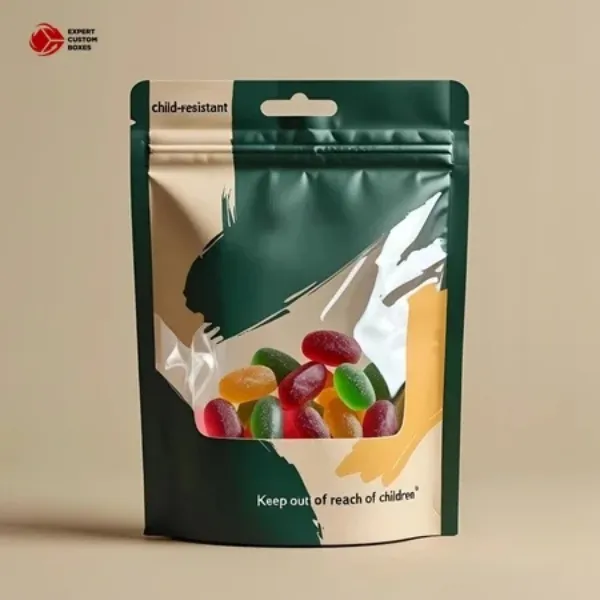
When you store many different ingredients, customized Mylar bags help keep things consistent. They can be ordered in different sizes so each bag fits the portion you need, which reduces how often you open a large bag and expose the contents to air. Printed or labeled bags also make it simple to identify contents, dates, and batch numbers at a glance.
For small food businesses, bakeries, and home-based sellers, custom Mylar bags with logo add a practical advantage: they protect product quality while keeping branding consistent across packaging. Suppliers such as Expert Custom Boxes produce Mylar bags in a range of sizes and printing options, which can be useful when you need uniform packaging for bulk or retail dry foods. Whatever source you use, choose food-grade material, confirm that the seal is airtight, and make sure the food is fully dry before sealing.
How Long Do Dry Foods Last in Airtight Storage?
A common question is how long do dry foods last in airtight storage. The answer varies by food, storage conditions, and packaging. In a cool, dark place with sealed containers, white rice, dried beans, and pasta can stay good for several years, and with Mylar bags and oxygen absorbers under ideal conditions, they can last for decades. Whole-grain flours, brown rice, nuts, and seeds are much shorter-lived, usually from six months to about a year, because their oils turn rancid.
For the best way to store dry beans and pasta for years, dry the food well, seal it in Mylar bags with the right number of oxygen absorbers, and keep the bags in a cool, dark, stable location. This is also the best approach for anyone learning how to store dry foods for long-term freshness. It is worth remembering that quality usually declines before safety does. Older food may become less flavorful, harder to cook, or lower in nutrients, but it is not necessarily unsafe. Still, always check for odors, discoloration, moisture, mold, or pests before using stored food.
What Habits Keep Stored Dry Foods Organized?
Good containers only work if you know what is inside them and how old it is. A few consistent habits turn storage into an easy, reliable system.
The FIFO method, which stands for first in, first out, means you always use the oldest products first. When you restock, move older items to the front and place newer items behind them. This prevents forgotten packages from expiring at the back of the shelf, and it works for both pantry shelves and bulk storage bins.
Food labeling supports FIFO by removing guesswork. Write the contents, the purchase or packing date, and the opening date on every container, jar, or bag. Masking tape and a permanent marker are enough. For long-term bags, add the number of oxygen absorbers used and the expected use-by timeframe. Finally, schedule a quick pantry check every month or two. Look for damaged packaging, unusual smells, signs of moisture, and pests. Regular inspection catches problems early and supports ongoing food safety.
Frequently Asked Questions About Dry Food Storage
What is the best way to store dry foods long term?
The best method is to start with fully dry food, seal it in Mylar bags with the correct oxygen absorbers or in high-quality airtight containers, and keep it in a cool, dark, dry place. Label everything with the date and rotate your stock using the FIFO method. This combination controls moisture, oxygen, light, and pests, which are the main causes of spoilage.
Can I store flour, rice, and grains in plastic containers?
Yes, as long as the containers are food-grade, fully dry, and have tight-fitting lids. Rigid plastic with a gasket seal works well for flour, rice, and grains, and large food-grade buckets are suitable for bulk storage. For very long-term storage, adding a Mylar bag with oxygen absorbers inside the bucket gives extra protection.
Do I need oxygen absorbers for every dry food?
No. Oxygen absorbers are most useful for dry foods like rice, beans, pasta, and grains that you plan to store for a long time. Foods such as sugar and salt do not need them, and moist or high-moisture foods should not be stored with them because removing oxygen from such foods can create unsafe conditions. When in doubt, use airtight containers instead.
How do I stop weevils from getting into my flour and rice?
Store flour and rice in sealed airtight containers, freeze new packages for three to four days before storing them, and keep your pantry clean. Inspect groceries when you bring them home, and do not combine old and new products in the same container. If you find signs of infestation, discard the affected food and check nearby items.
How can I tell if stored dry food has gone bad?
Look for a sour or musty smell, a rancid or oily odor, visible mold, clumping from moisture, discoloration, or live insects. Whole-grain products and nuts are most likely to turn rancid first. If you notice any of these signs, it is safest to throw the food away.
Conclusion
Protecting dry foods comes down to controlling four things: moisture, oxygen, heat and light, and pests. Start with dry, fresh food, and choose containers that suit the job, from food-grade storage containers and mason jars for daily use to Mylar bags, oxygen absorbers, and vacuum sealing for long-term needs. Keep everything in a cool, dark place, guard against weevils and pantry pests, and support the system with the FIFO method and clear food labeling. With these dry food storage best practices, you can keep dry food fresh, extend its shelf life, and reduce waste. A simple first step is to upgrade the containers holding your most-used staples, then build the rest of the system from there.




















Sign in to leave a comment.