

Understanding Radiation Treatment Preparation
Starting radiation therapy can bring many questions. Patients may wonder what will happen during treatment, how to prepare, whether side effects are expected, and how daily routines may change.
Meeting a Best Radiation oncologist can help patients understand their treatment plan and feel more prepared for each stage of care. Radiation therapy is carefully planned according to the cancer type, location, stage, treatment goal, and overall health.
Preparation begins well before the first radiation session. It may involve reviewing medical records, completing imaging tests, discussing previous treatments, and creating a treatment plan that aims to deliver radiation accurately while limiting exposure to nearby healthy tissues.
What Happens Before Radiation Therapy?
Before treatment begins, the radiation oncology team usually reviews the patient's diagnosis and previous test results. Pathology reports, scans, surgical information, and details of other treatments may all be important.
A physical examination and additional imaging may also be recommended. These assessments help the medical team understand the location and extent of the cancer and determine whether radiation therapy is appropriate.
Patients should bring relevant medical documents to their consultation. A current medication list, previous scan reports, pathology reports, treatment summaries, and information about allergies can help the team develop a complete understanding of the patient's situation.
Treatment Planning and Simulation
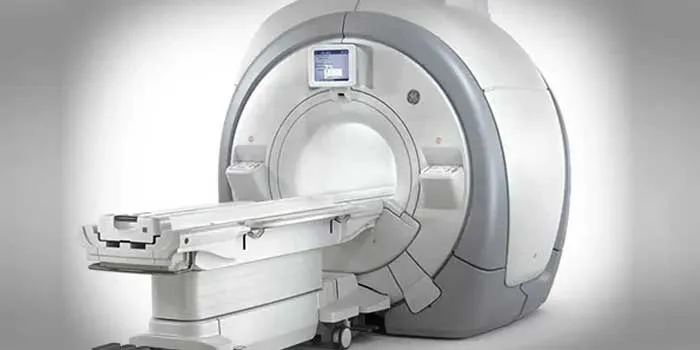
One important preparation step is radiation simulation. During this appointment, imaging is used to help map the treatment area and determine how radiation will be delivered.
Depending on the treatment site, patients may need to lie in a particular position. Special supports or positioning devices may sometimes be used to help maintain the same position during treatment.
The treatment planning process can take time because radiation needs to be carefully directed toward the intended area. The team may use computer-based planning to determine the appropriate treatment fields, dose, and delivery approach.
Patients should not be concerned if there is a gap between the simulation appointment and the first treatment session. Planning is an important part of safe and accurate radiation therapy.
Questions to Ask Before Treatment
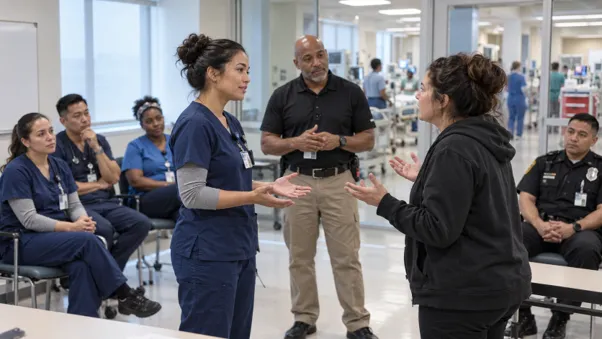
Patients and caregivers should feel comfortable asking questions. Understanding the plan can make the treatment journey less uncertain.
Useful questions may include:
- What is the goal of radiation therapy in my situation?
- How many treatment sessions are expected?
- How long will each appointment usually take?
- What side effects could occur with this treatment?
- When might side effects begin?
- Are there activities I should avoid?
- Can I continue working or following my usual routine?
- Which symptoms should be reported to the treatment team?
- Will I need additional treatment after radiation therapy?
- Who should I contact if I have concerns between appointments?
There is no need to remember every question during a consultation. Writing questions down beforehand or bringing a trusted family member can make the discussion easier.
Preparing Your Body for Treatment
There is no single diet or lifestyle routine that is suitable for every person receiving radiation therapy. Preparation should follow the instructions provided by the treating team.
Patients are generally encouraged to maintain adequate nutrition and hydration unless their healthcare team has advised otherwise. Eating balanced meals can help support overall health during treatment.
Rest is also important, particularly if treatment or the underlying cancer causes fatigue. Gentle physical activity may be appropriate for some patients, but the right level depends on individual health and treatment recommendations.
Patients should also tell their healthcare team about any supplements, herbal products, or over-the-counter medicines they use. Some products may affect treatment or interact with other medicines.
Taking Care of Your Skin
Some forms of radiation therapy can cause changes in the skin within or around the treatment area. The type and severity of skin changes depend on factors such as the treatment site, radiation dose, and individual response.
Patients should follow the specific skin-care instructions provided by their radiation oncology team. Avoiding unnecessary irritation to the treatment area may be recommended.
Do not automatically apply creams, oils, powders, or other products to the treatment area without asking the healthcare team. Products that are suitable for everyday skincare may not always be appropriate during radiation therapy.
Preparing for Daily Life
Radiation therapy is often delivered over multiple appointments, depending on the treatment plan. Planning transportation, work responsibilities, childcare, and household tasks in advance can reduce unnecessary stress.
Some patients are able to continue many normal activities during treatment, while others may need additional rest. The experience varies considerably from person to person.
Family members and caregivers can provide practical support by helping with transportation, meals, appointments, or household responsibilities when needed.
Emotional preparation matters as well. Feeling worried, frustrated, or uncertain before treatment is understandable. Patients should discuss persistent emotional distress with their healthcare team because supportive resources may be available.
Understanding Possible Side Effects
Radiation therapy affects the treated area, so side effects often depend on where radiation is delivered. Some patients experience fatigue or skin changes, while others may experience effects specific to the treatment area.
Side effects may develop during treatment or after several sessions rather than immediately after the first appointment. Some effects can also continue for a period after treatment ends.
Not every patient experiences the same side effects. Patients should report new, worsening, or concerning symptoms to their healthcare team rather than trying to manage significant symptoms alone.
A Best Radiation oncologist in Chennai should explain expected side effects, warning signs, and available supportive measures as part of treatment planning. Clear communication allows patients to understand what may be normal and when medical advice is needed.
Technology and Personalized Planning
Modern radiation therapy can use different techniques depending on the cancer and treatment objective. These may include image-guided approaches, intensity-modulated radiation therapy, stereotactic techniques, and other specialized methods when clinically appropriate.
The choice of technique is not simply about using the newest technology. Treatment decisions should be based on medical evidence, the patient's individual condition, the location of the cancer, treatment goals, and potential benefits and risks.
A Best Radiation oncologist considers these factors when developing an individualized treatment approach. Patients can ask why a particular radiation technique has been recommended and how it fits into their overall cancer-care plan.
Working With the Cancer Care Team
Radiation therapy may be one part of a broader cancer treatment plan. Depending on the diagnosis, care may involve medical oncologists, surgical oncologists, radiologists, pathologists, nurses, dietitians, physiotherapists, and other professionals.
Communication among these specialists can help coordinate treatment decisions. Patients should make sure that each member of the healthcare team knows about relevant medicines, previous treatments, and significant changes in their health.
Keeping a personal record of appointments, medications, test results, and treatment instructions can also help patients stay organized.
Preparing Emotionally for the Treatment Journey
Cancer treatment is not only a physical experience. Patients may experience uncertainty about their health, changes in routine, concerns about family responsibilities, or anxiety about treatment outcomes.
It can help to focus on one appointment or treatment step at a time. Speaking openly with family members, trusted friends, counselors, or healthcare professionals can provide emotional support.
Patients should also remember that asking for help is not a sign of weakness. Practical and emotional support can make it easier to manage the demands of treatment.
Final Thoughts
Preparing for radiation therapy involves more than attending the first treatment session. Understanding the treatment plan, completing recommended assessments, following preparation instructions, organizing daily responsibilities, and knowing when to seek medical advice can help patients approach treatment with greater confidence.
Choosing an experienced radiation oncology team can also make communication and treatment planning easier. For patients seeking cancer care in Chennai, ICCG India provides the best service in Chennai, with patient-centered care focused on informed treatment decisions and ongoing support.
The most important step is to stay informed, communicate openly with the healthcare team, and follow individualized medical advice throughout the treatment journey.






















Sign in to leave a comment.