

A smoke detector is one of the cheapest and most effective safety devices you can own. It is also one of the easiest to neglect. Batteries die, units expire and many people never check whether the alarm on their ceiling is still allowed to be there. If you are shopping in 2026, the number of choices can feel overwhelming, from basic battery units to smart alarms that send alerts to your phone.
This guide explains how smoke alarms work, what Canadian rules say, which features matter and which types of products stand out as the best smoke detectors for different homes and businesses.
Smoke Alarm vs. Smoke Detector: A Quick Clarification
People use the two terms interchangeably, but there is a small difference. A smoke alarm detects smoke and sounds a siren in the same unit, which is what most homes use. A smoke detector, strictly speaking, senses smoke and sends a signal to a fire alarm control panel, which is common in commercial buildings. In this guide, we use "smoke detectors" in the everyday sense to mean the devices you buy for your property.
What Canadian Rules Require
In Canada, smoke alarms must meet the CAN/ULC-S531 standard, and you should look for a recognized certification mark such as ULC, CSA, cUL or cETL on the product itself, not just the box. If a unit has no mark, do not buy it.
In Ontario, the Fire Code requires working smoke alarms on every storey of a home and outside all sleeping areas. Newer homes generally require more, such as interconnected alarms, alarms inside bedrooms and visual strobe features in some cases. Penalties for non-compliance can be serious, with fines reaching up to $50,000 for individuals in the most severe cases.
Carbon monoxide rules have also been tightening, particularly where a home has a fuel-burning appliance, fireplace or attached garage. Because requirements differ by province, municipality and the year your building was constructed, check with your local fire department before you buy.
One rule applies almost everywhere: replace smoke alarms every 10 years. Look for the manufacture date printed on the back. If there is no date, assume the alarm is too old.
Types of Smoke Detectors
Ionization alarms respond faster to fast-flaming fires. They can be prone to nuisance alarms near kitchens.
Photoelectric alarms are better at sensing slow, smouldering fires that produce heavy smoke, such as a cigarette in a couch. They also tend to cause fewer false alarms from cooking.
Dual-sensor alarms combine both technologies and offer broader coverage, usually at a slightly higher price.
Smoke and carbon monoxide combination alarms add CO detection in the same unit, which saves space and wiring.
Many fire safety experts favour photoelectric or dual-sensor models for most living spaces, especially near bedrooms and living areas.
Power Types: Battery, Hardwired or Both
Battery-operated alarms are simple to install and work during power outages, but depend on you replacing batteries on time. Sealed 10-year lithium battery models remove that chore, because you replace the entire unit at the end of its life.
Hardwired alarms connect to your home's electrical system and usually include a battery backup. They are common in newer builds and are often required in certain types of buildings. Installation should be done by a qualified electrician.
Interconnected alarms communicate with each other, so when one sounds, all of them sound. This is a major benefit in larger or multi-storey spaces where you might not hear an alarm in a distant room.
How to Choose the Best Smoke Detectors for Your Space
The best smoke detectors are not the same for every property. Use these questions to narrow your choice:
- What type of space is it? A condo, a detached home, a rental unit and a small shop each have different requirements.
- Is it new construction or a retrofit? New builds often call for hardwired, interconnected alarms, while retrofits may suit wireless interconnected units.
- Do you want smart features? App notifications, remote silencing and voice alerts are useful if you travel or have a large home.
- Does anyone have hearing difficulty? Strobe lights and bed shakers are available for accessibility needs.
- Do you need CO protection too? If you have a gas furnace, fireplace or attached garage, a smoke and CO combination can be practical.
- How much maintenance do you want? Sealed 10-year battery alarms reduce chores, while replaceable-battery units need regular attention.
- Is it certified? Always confirm the Canadian certification mark.
Best Smoke Detectors in Canada for 2026: Top Picks by Category
The following products are examples frequently recommended in Canadian and North American buying guides. Availability and exact model numbers change, so confirm details with the retailer before purchasing.
Best for reliable hardwired protection: The First Alert 9120LBLA hardwire smoke alarm is a well-reviewed, straightforward option for homes with existing wired connections. Kidde also offers hardwired 120V alarms with AA battery backup that suit many retrofits.
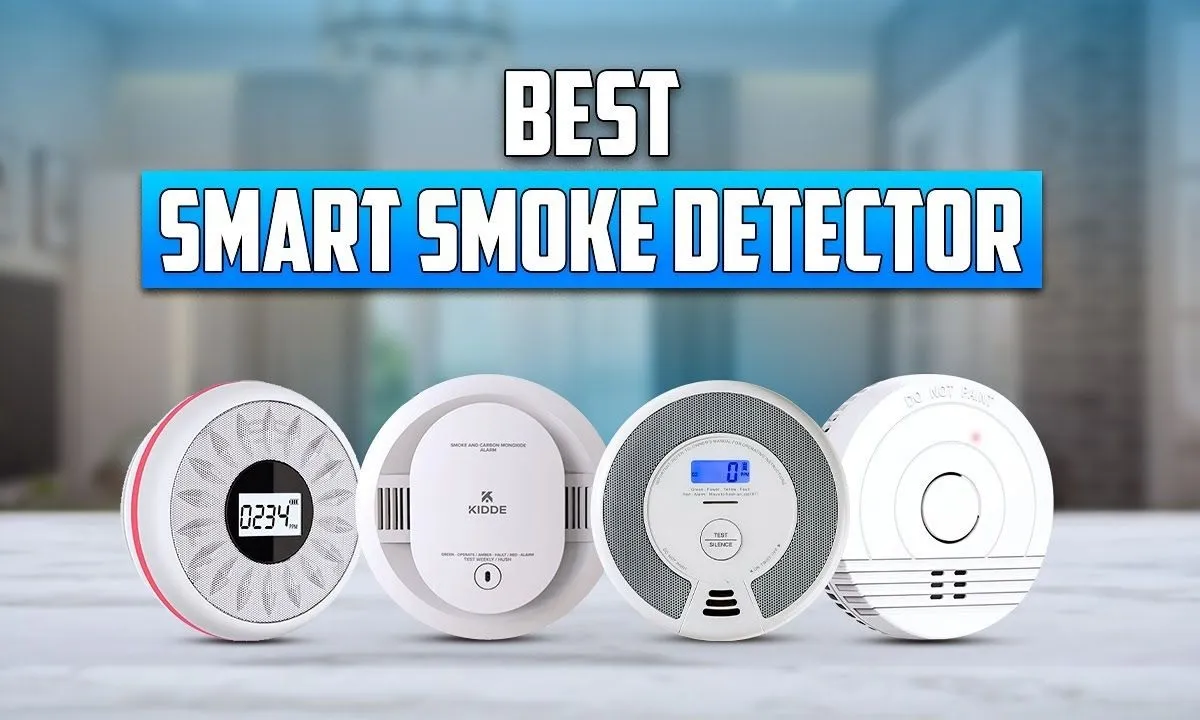
Best photoelectric smoke and CO combination: The Kidde P3010CU photoelectric smoke and carbon monoxide alarm is often praised as one of the strongest non-smart options, combining modern sensing with CO detection.
Best for set-and-forget maintenance: Sealed 10-year battery alarms, such as Kidde's sealed lithium models and the First Alert BRK PRC710A smoke and CO alarm, appeal to owners who do not want to swap batteries each year.
Best smart option: The First Alert SC5 is positioned as a replacement for the discontinued Nest Protect, and Kidde's smart smoke and CO alarms are also popular for phone alerts and remote monitoring. These suit tech-savvy households and anyone who wants notifications while away.
Best interconnected wireless: Wireless interconnected systems, including popular models from X-Sense and others, can be a good choice when running new wires is difficult. Check Canadian availability and certification before ordering.
Best budget pick: Basic battery-operated units from First Alert and Kidde cover essentials at a low price per room. They are a sensible choice for secondary rooms, as long as you test them monthly and replace them on schedule.
Where to Install Smoke Detectors
Install an alarm on every storey, including the basement, and outside each sleeping area. Many fire services also recommend one inside each bedroom, especially if people sleep with doors closed. Mount alarms on the ceiling or high on a wall, following the manufacturer's instructions. Keep them away from kitchens, bathroom steam and air vents, which can trigger false alarms or affect sensing.
Business and Commercial Considerations
If you manage a shop, office, warehouse or rental building, the stakes are higher. Commercial properties often need a fire alarm panel, multiple detection points, strobes, regular inspections and documented testing. Residential alarms from a hardware store may not meet the requirements for your building type. Landlords and building owners also carry legal responsibility for working alarms in their units, so keep written records of installation, testing and replacement.
Maintenance Tips That Save Lives

- Test every alarm once a month by pressing the test button.
- Replace standard batteries at least once a year, or when the alarm chirps.
- Gently vacuum alarms every few months to remove dust.
- Never remove a battery to stop nuisance alarms. Move the alarm or use a hush-feature model instead.
- Replace the entire alarm every 10 years, even if it still seems to work.
- Practise a home fire escape plan so everyone knows what to do when the alarm sounds.
Conclusion
Choosing the right product is only part of fire safety. Correct placement, certified equipment and ongoing testing matter just as much. If you own or manage a home, rental or business and want expert help reviewing your protection, a provider such as United Security Systems can assess your property, recommend suitable detection and alarm solutions and support them with reliable installation and follow-up service.
The best smoke detectors are the ones that are certified, correctly installed, tested regularly and replaced on time. Pick the type that fits your space, check your local fire code and take a few minutes this month to test every alarm in your building. It is a small habit that can make a very large difference.






















Sign in to leave a comment.