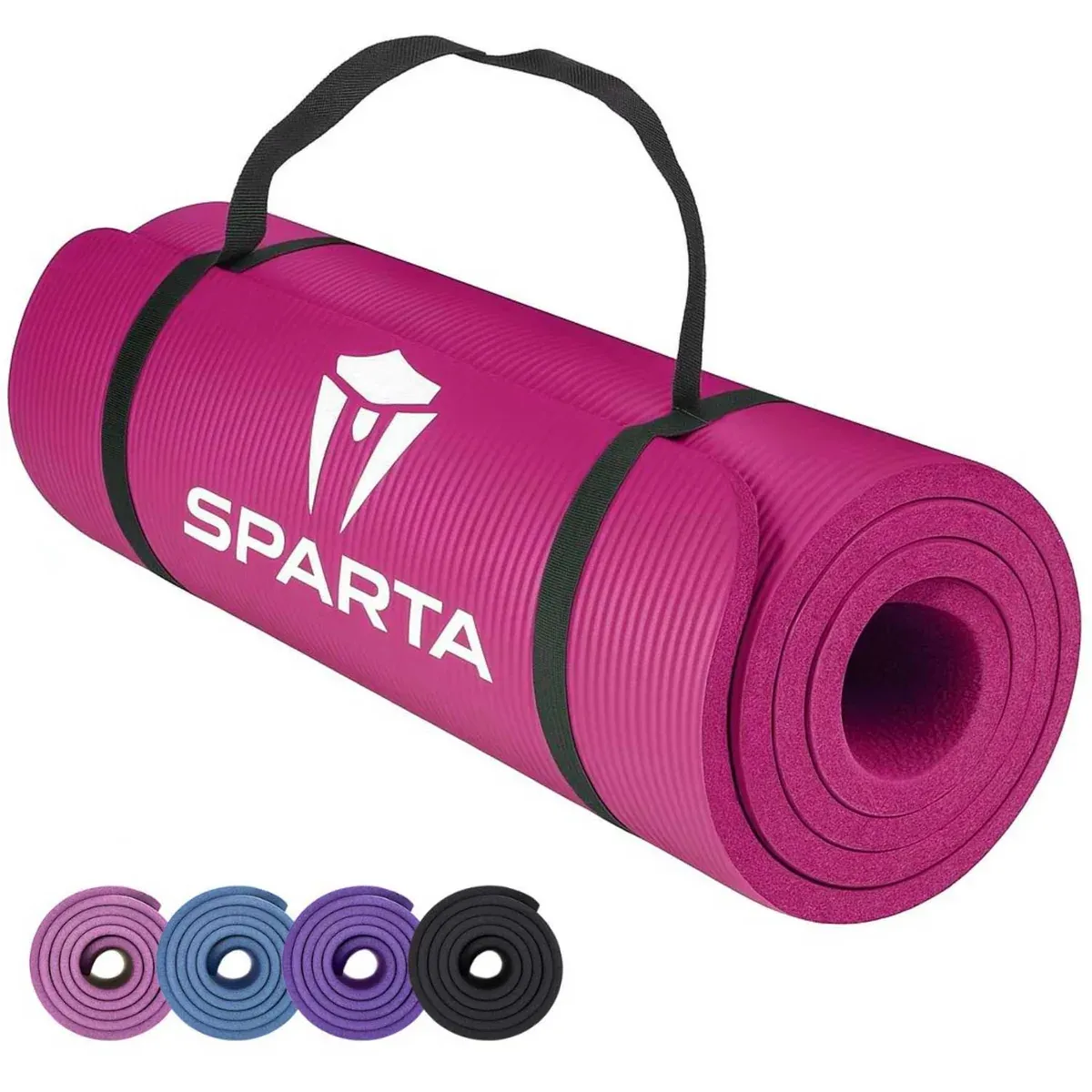

Choosing the right yoga mat can make a noticeable difference in your comfort, balance, and overall practice. If you prefer extra cushioning under your body, a thick yoga mat can be an excellent option. The additional padding can provide a softer surface for knees, wrists, hips, and the spine while making longer sessions more comfortable. However, not every thick yoga mat offers the same level of support or performance. Understanding the important features before buying can help you select a mat that matches your needs, practice style, and available space.
A good thick yoga mat should combine comfort, stability, durability, grip, and convenient handling. Whether you practice gentle stretching, restorative yoga, meditation, Pilates, or everyday floor exercises, paying attention to the construction and practical features of the mat can help you make a more informed choice.
What Makes a Yoga Mat Thick?
Yoga mats are available in different thicknesses, ranging from lightweight designs to heavily cushioned options. A thicker mat generally provides more padding between your body and the floor. This can be especially useful for people who find hard flooring uncomfortable during kneeling poses, seated stretches, or relaxation exercises.
The ideal thickness depends on your preferences and the type of activities you perform. A moderately thick mat can provide a balance between cushioning and stability, while an extra-thick model may be more suitable when comfort is the primary concern. Before purchasing, consider how much support you actually need rather than assuming that the thickest option will always be the best.
Comfortable Cushioning
One of the most important features of a thick yoga mat is its cushioning. Extra padding can make floor-based movements more comfortable and reduce the feeling of pressure against sensitive areas.
A well-cushioned surface can be particularly useful during poses that place weight on the knees, elbows, hips, or back. It can also make seated meditation and relaxation more pleasant when you remain in one position for an extended period.
When comparing mats, pay attention to how evenly the cushioning is distributed. A mat that feels soft in one area but uneven in another may not provide the consistent support you expect. Look for a design that maintains a comfortable surface across the entire mat.
Reliable Grip and Traction
Thickness alone does not determine the quality of a yoga mat. Grip is equally important because your hands and feet need to remain secure while transitioning between poses.
A thick yoga mat with a dependable textured surface can help provide traction during standing poses, stretching, and balance-focused movements. A surface that feels too slippery may make certain positions uncomfortable and distracting.
When shopping, consider the type of yoga you practice. Gentle sessions may not require an especially strong grip, while more active routines can benefit from a surface designed to help maintain stability. The texture should also feel comfortable against bare skin.
Stability During Movement
A common misconception is that more cushioning automatically means better performance. Extremely soft padding can sometimes make balancing movements feel less stable. For this reason, a good thick yoga mat should provide cushioning without becoming excessively unstable.
Think about the poses you perform most often. If your routine includes standing balances, lunges, or transitions, you may prefer a thicker mat with a supportive structure. If your routine focuses primarily on seated or lying-down exercises, you may prioritize softness and comfort.
Finding the right balance between cushioning and stability is one of the most important considerations when selecting a thick mat.
Appropriate Size
Mat dimensions can affect your comfort just as much as thickness. A standard-size mat may be sufficient for many people, but taller users or those who move extensively during practice may prefer additional length or width.
Before buying, check the exact measurements rather than relying only on general descriptions such as large or extra-large. Consider your height and the amount of space you typically need when stretching.
A slightly larger surface can make certain movements easier and reduce the need to constantly reposition yourself. However, remember that a larger mat may also require more storage space.
Durable Construction
A yoga mat is used repeatedly, so durability is an important feature to consider. A quality thick yoga mat should maintain its shape and cushioning through regular use.
Look for a mat that feels well constructed and does not easily lose its form when pressed. Edges should remain reasonably intact, and the surface should be designed to withstand regular stretching and movement.
Durability also depends on how you use and maintain the mat. Keeping it clean, storing it properly, and avoiding unnecessary folding or rough handling can help extend its useful life.
Surface Texture
The texture of a yoga mat influences both comfort and traction. Some mats have subtle textures, while others feature more pronounced patterns designed to improve grip.
When choosing a thick yoga mat, think about how the surface feels against your hands, feet, knees, and back. A texture that is too rough may become uncomfortable during longer sessions, while an extremely smooth surface may not provide enough traction.
The best choice is one that feels comfortable while still offering the level of grip required by your routine.
Support for Knees and Joints
People often choose thick yoga mats because they want additional support for their knees and joints. Extra cushioning can create a more comfortable base for kneeling poses, seated movements, and stretches.
If your routine includes many floor-based positions, consider how the mat feels when your body weight is concentrated in one area. A supportive mat should provide noticeable cushioning without making you feel as though you are sinking too deeply into the surface.
The right amount of support can make longer sessions feel more comfortable and encourage you to maintain your practice consistently.
Weight of the Mat
Thickness and weight often go together, but a heavy mat is not necessarily a better mat. If you regularly carry your yoga mat to a studio, gym, office, or outdoor location, portability should be part of your decision.
A very thick mat may offer excellent cushioning but can be inconvenient to transport. A slightly lighter option may provide enough support while being easier to roll and carry.
Think about where you practice most often. If your mat stays at home, weight may not matter much. If you travel frequently with it, portability can become a major consideration.
Easy to Roll and Store
Storage is another practical feature that is easy to overlook. Thick mats can take up more room than thinner designs, particularly when rolled.
Before purchasing, consider whether you have enough space for the mat at home. Check how tightly it rolls and whether it can be secured with a strap or other convenient fastening method.
A mat that is easy to roll, carry, and store is more likely to become a regular part of your daily routine.
Easy Maintenance
Regular yoga practice means your mat will eventually need cleaning. Choosing a surface that is relatively easy to maintain can save time and effort.
Look for care instructions provided by the manufacturer and choose a cleaning routine that is suitable for the material. After use, allowing the mat to dry properly before rolling it away can help keep it fresh and ready for the next session.
Avoid using cleaning methods that are not recommended for the mat, as improper care may affect its texture or appearance.
Comfortable for Different Exercises
Although yoga may be the main reason for buying a thick mat, a versatile design can also be useful for other activities. Many people use their mats for stretching, Pilates, mobility exercises, meditation, warm-ups, and floor workouts.
A comfortable thick surface can provide a convenient exercise area without requiring additional padding underneath. If you plan to use the mat for several activities, consider whether its grip, cushioning, and size are suitable for each one.
Choosing a versatile mat can provide greater value because you can use it for different parts of your fitness routine.
Edge and Shape Quality
The edges of a yoga mat may seem like a small detail, but they can affect its overall usability. Well-finished edges can help the mat maintain its shape and create a neat appearance.
A mat that curls excessively around the edges may become distracting during practice. When possible, look at customer photographs and product details to understand how the mat behaves after being rolled and unrolled.
A flat, stable surface makes it easier to concentrate on your movements instead of constantly adjusting the mat.
Color and Appearance
Performance should come first, but appearance can still matter. A yoga mat is something you may use regularly, so choosing a color or pattern you enjoy can make your practice space more inviting.
Many thick yoga mats are available in simple solid shades as well as decorative designs. Consider whether the appearance matches your personal style and the environment where you practice.
While color does not affect cushioning or grip, selecting a design you like can make your equipment feel more personal.
Thickness for Different Yoga Styles
The ideal thickness can vary according to your preferred yoga style. Gentle yoga, restorative sessions, and meditation may benefit from generous cushioning because these activities often involve extended periods on the floor.
More dynamic practices may require a stronger focus on stability and grip. In these situations, an excessively soft mat may feel less secure during standing poses and transitions.
If you practice several styles, look for a versatile thickness that offers a reasonable balance between comfort and stability rather than choosing a mat based on cushioning alone.
Consider Your Practice Environment
Your flooring should also influence your decision. A thick yoga mat can be especially useful on hard floors where additional cushioning is desirable.
If you practice on carpet, softer flooring, or another cushioned surface, you may not need as much thickness. On hardwood, tile, or other firm flooring, additional padding can make floor exercises more comfortable.
Think about where you will use the mat most often and select a thickness that complements that environment.
Check Product Specifications Carefully
Before making a purchase, read the product specifications carefully. Pay attention to thickness, dimensions, weight, surface construction, care instructions, and recommended uses.
Product photographs can sometimes make a mat appear thicker or larger than it actually is. Checking the measurements gives you a clearer idea of what you are buying.
It can also be helpful to read customer feedback about cushioning, grip, durability, and portability. Reviews can provide practical information about how a mat performs after regular use.
Price and Long-Term Value
Price is naturally an important factor, but the cheapest option may not always provide the best long-term value. A well-made thick yoga mat can remain useful for a longer period and provide consistent comfort during regular practice.
Instead of looking only at the initial price, consider the mat's construction, expected durability, comfort, and versatility. A product that meets your needs and remains comfortable over time may offer better value than repeatedly replacing an unsuitable low-cost mat.
Final Thoughts
Choosing the best thick yoga mat involves more than simply selecting the model with the greatest amount of padding. Cushioning, grip, stability, size, durability, texture, portability, and maintenance all contribute to the overall experience.
Start by identifying your main priorities. If joint comfort is important, focus on supportive cushioning. If you perform balance poses or active sequences, pay close attention to grip and stability. If you travel with your equipment, consider weight and portability. If the mat will remain at home, size and comfort may deserve greater attention.
The right thick yoga mat should feel comfortable beneath your body while giving you enough stability to move confidently. By comparing these features before buying, you can choose a mat that fits your practice, environment, and everyday routine. A thoughtful choice can turn your yoga space into a more comfortable and enjoyable place to stretch, move, relax, and build a consistent practice.



























Sign in to leave a comment.