

Planning a trip to Tanzania is exciting, but one question trips up almost every first-time traveller: when should you actually go? Tanzania's wildlife, weather, and prices all shift with the seasons, and picking the right window can be the difference between a good trip and an unforgettable one. This guide breaks down the migration calendar, the dry-versus-wet season trade-offs, and how timing affects what you'll pay, so you can plan your visit with confidence.
Why Timing Matters More in Tanzania Than You Might Think
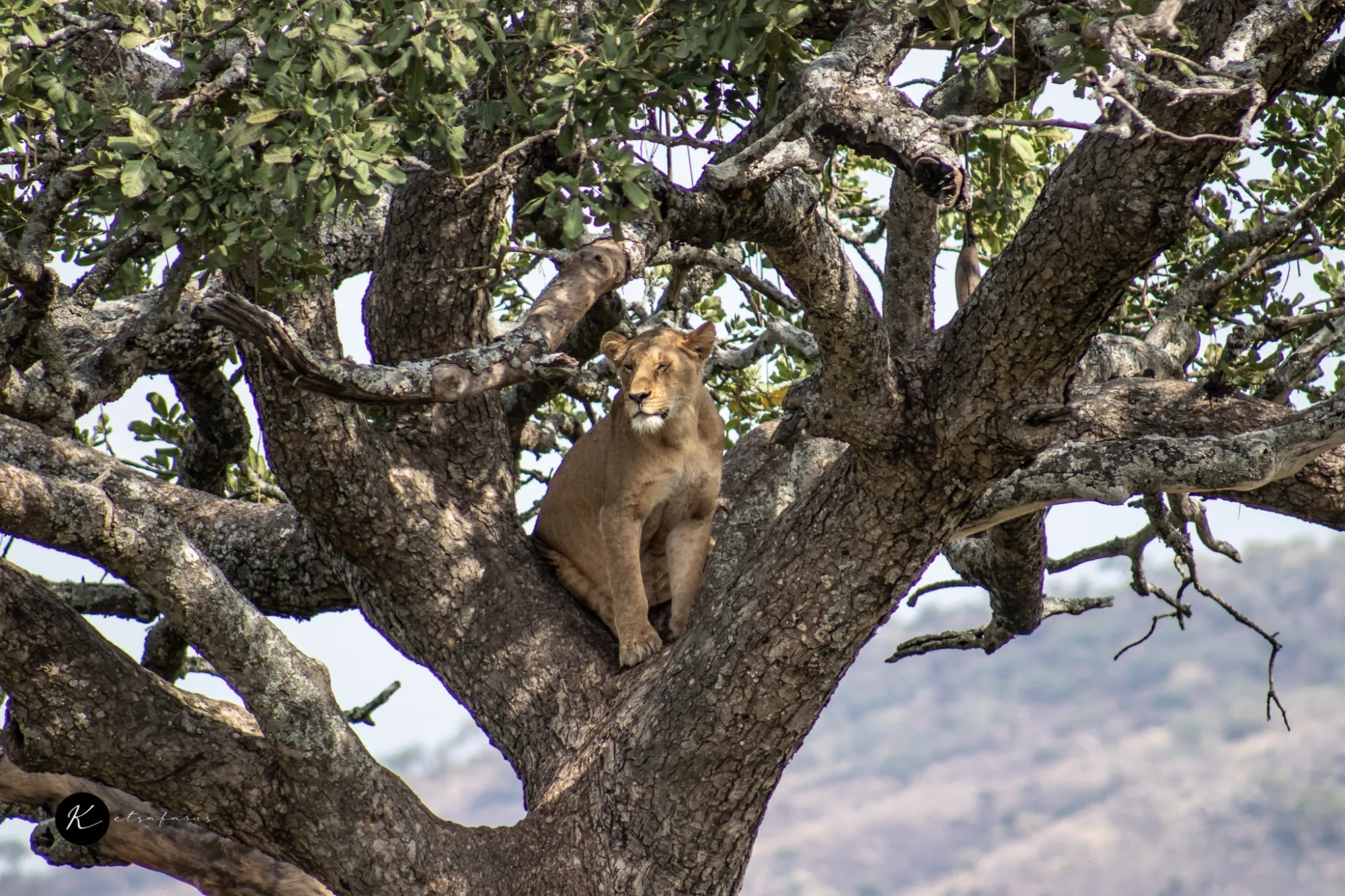
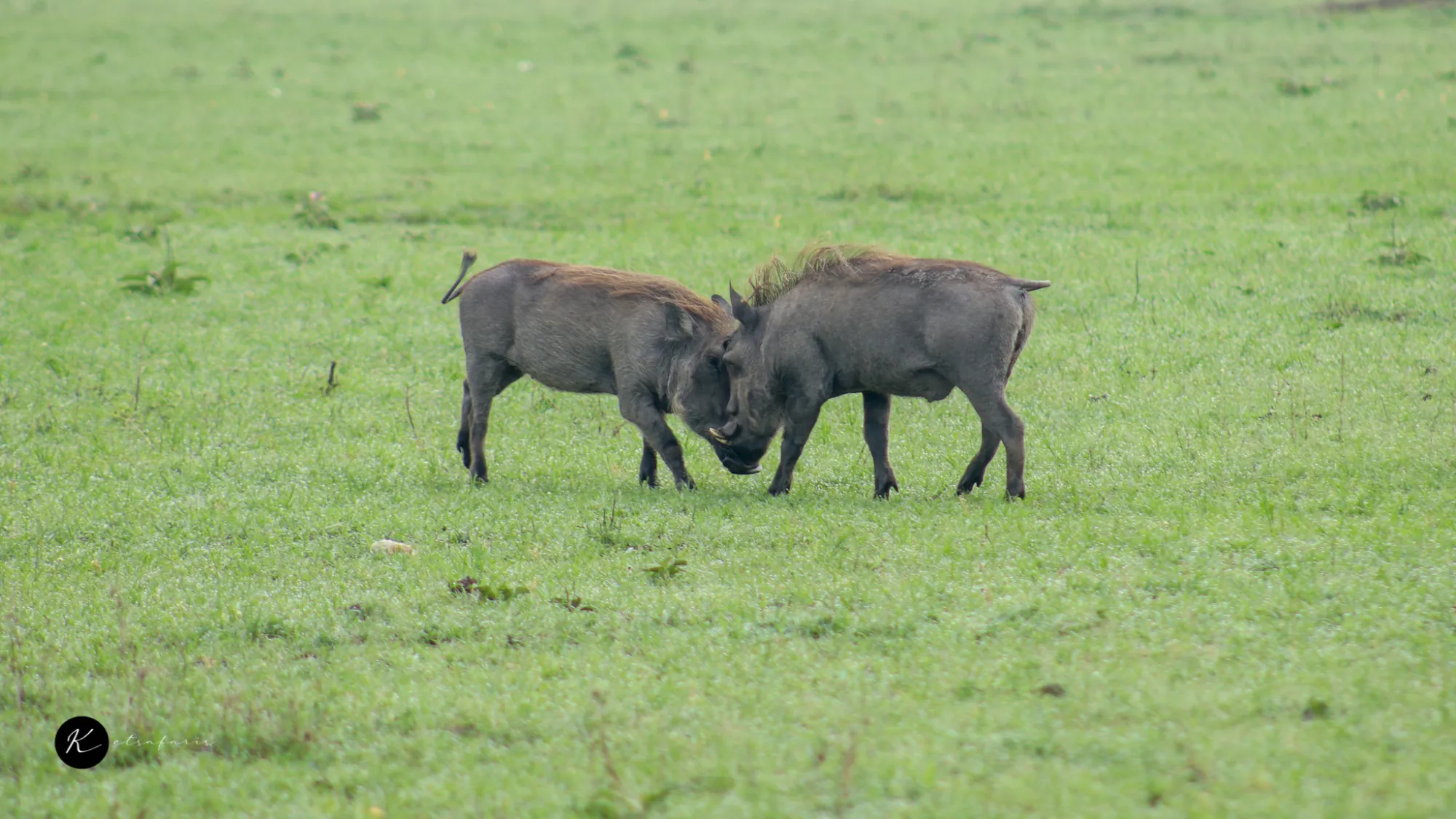
Tanzania sits close to the equator, so temperatures stay fairly consistent year-round. What actually changes is rainfall and animal movement, and both have a direct impact on your safari experience. Game drives during the dry months tend to deliver easier wildlife sightings, since animals cluster around limited water sources and vegetation thins out. During the rainy season, the landscape turns lush and green, but animals disperse across wider areas, making sightings a bit less predictable.
On top of wildlife patterns, the calendar also affects park crowds, lodge availability, and rates. Booking a few months ahead of your preferred window is generally a smart move, especially if you're targeting peak migration season. Once you know which season suits you, it's worth browsing a few Tanzania safari packages early, since itineraries covering the Serengeti and Ngorongoro Crater tend to fill up fast in the months you'll read about below.

The Great Migration Calendar
The Great Migration is the main event for most Tanzania-bound travelers, and it isn't a single moment but a continuous cycle. Roughly two million wildebeest, zebra, and gazelle move in a loop through the Serengeti ecosystem in search of fresh grazing, and different months put you in a different part of that story.
- January to March: Herds gather in the southern Serengeti, and this period overlaps with calving season, when thousands of wildebeest calves are born within a few weeks.
- April to May: The migration begins moving northwest, and this stretch also marks the long rains, which thins out crowds considerably.
- June: Herds push toward the western corridor, with river crossings becoming more likely as the season progresses.
- July to October: This is peak migration season, with dramatic Mara River crossings and the highest concentration of predators following the herds. It's also the busiest and most expensive time to visit.
- November to December: The herds loop back south as the short rains begin, refreshing the plains before the cycle starts again.
If witnessing a river crossing is your top priority, July through September is your best bet. If you'd rather see newborn calves and predator action without the crowds, January to March is worth considering. And if you're still weighing Tanzania against other East African destinations, it's worth comparing options across our best safari tours before locking in your dates.
Dry Season vs. Wet Season: What to Expect
Dry Season (Late June to October)
This is Tanzania's most popular travel window, and for good reason. Skies stay clear, roads are easier to navigate, and wildlife congregates around rivers and waterholes, making for reliable, high-visibility game viewing. The trade-off is cost and crowding: lodges fill up fast, and prices climb accordingly. If you're booking a Serengeti or Ngorongoro Crater trip for this period, aim to reserve your itinerary at least four to six months in advance.
Wet Season (November to May)
The wet season splits into the short rains (November to December) and the long rains (March to May). Afternoon showers are common but rarely last all day, and the scenery becomes vivid and green, which photographers often prefer. Bird-watching is also at its best during this period, with migratory species arriving from Europe and North Africa. Because fewer travelers visit during these months, prices drop and parks feel far less crowded, though some remote camps may close briefly during the heaviest rains in April and May.
How Timing Affects Your Budget
Seasonal demand plays a major role in what you'll pay for a safari. High season (roughly July to October, plus the December holidays) commands premium rates across lodges and camps, since availability is limited and demand peaks. Shoulder months, like June or late December through early January, often strike a good balance between decent wildlife viewing and moderate pricing. The low season, particularly April and May, typically offers the most value, with some properties reducing rates significantly to attract visitors during the quieter months.
Trip length, group size, and choice of accommodation all factor in too, but season remains one of the biggest levers affecting your total cost.
A Quick Planning Checklist
- Chasing river crossings? Target July through September.
- Want calving season and fewer people? Aim for late January through March.
- On a tighter budget? Look at April, May, or November.
- Booking during peak months? Reserve four to six months ahead where possible.
Final Thoughts
There's no single "best" month to visit Tanzania. It really comes down to what you want most from your trip, whether that's dramatic river crossings, newborn wildlife, budget-friendly rates, or a quieter park experience. Once you've settled on a season, the next step is choosing an itinerary that fits your timeline and interests, so reach out to our team with your preferred dates and we'll help you plan a route across the Serengeti, Ngorongoro Crater, and Tarangire.























Sign in to leave a comment.