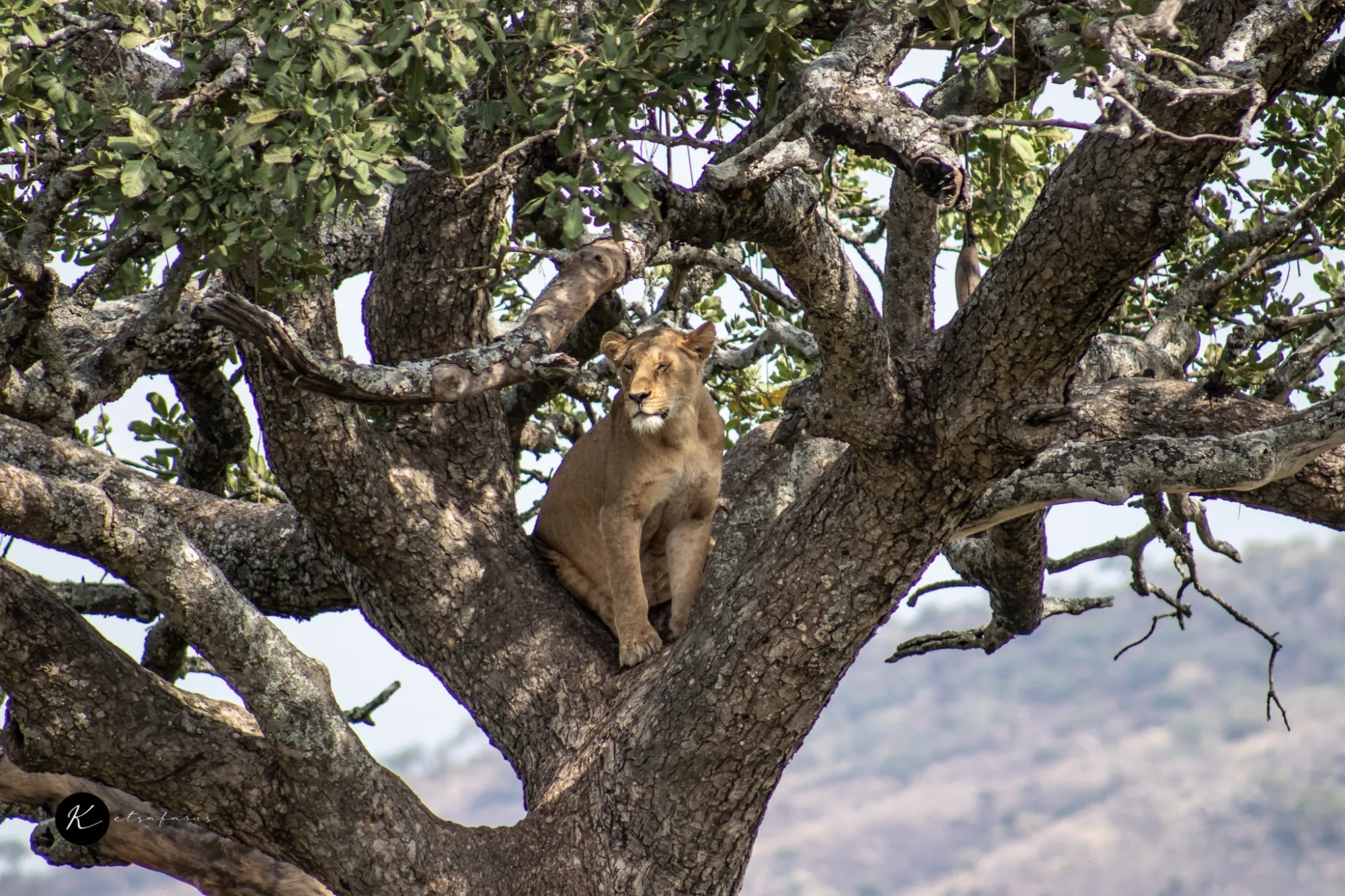

Timing your trip can make or break a safari from Mombasa. Kenya's coastal region has a distinct climate that shapes wildlife behavior, road conditions, and how many other travelers you'll be sharing the parks with. Whether you're squeezing in a day trip to Tsavo East or planning a longer combined beach-and-bush holiday, knowing what each month typically brings will help you plan a trip that matches what you actually want to see. If you're weighing your options for a safari in mombasa, here's a month-by-month breakdown to help you choose the right window.
Understanding Kenya's Coastal Climate
The parks closest to Mombasa, mainly Tsavo East, Tsavo West, and Shimba Hills, follow a roughly bimodal rainfall pattern: a long rainy season from March to May and a shorter one in November. Outside of these windows, conditions are generally dry, which affects both road access and how easy it is to spot animals.
Why Timing Matters More Near the Coast
Unlike some inland parks, the Tsavo region can see roads become difficult to navigate during heavy rains, and certain lodges or camps may close temporarily. Wildlife also disperses more widely when water is abundant, since animals aren't as reliant on concentrated water sources, which can make sightings less predictable during the wet months.
Dry Season (June to October): Peak Wildlife Viewing
Weather and Conditions
This stretch is Kenya's long dry season, with minimal rainfall, cooler mornings, and consistently clear skies. Roads through Tsavo East and Tsavo West are at their most reliable, making it the easiest time of year to get in and out for a day trip from Mombasa.
Wildlife Visibility
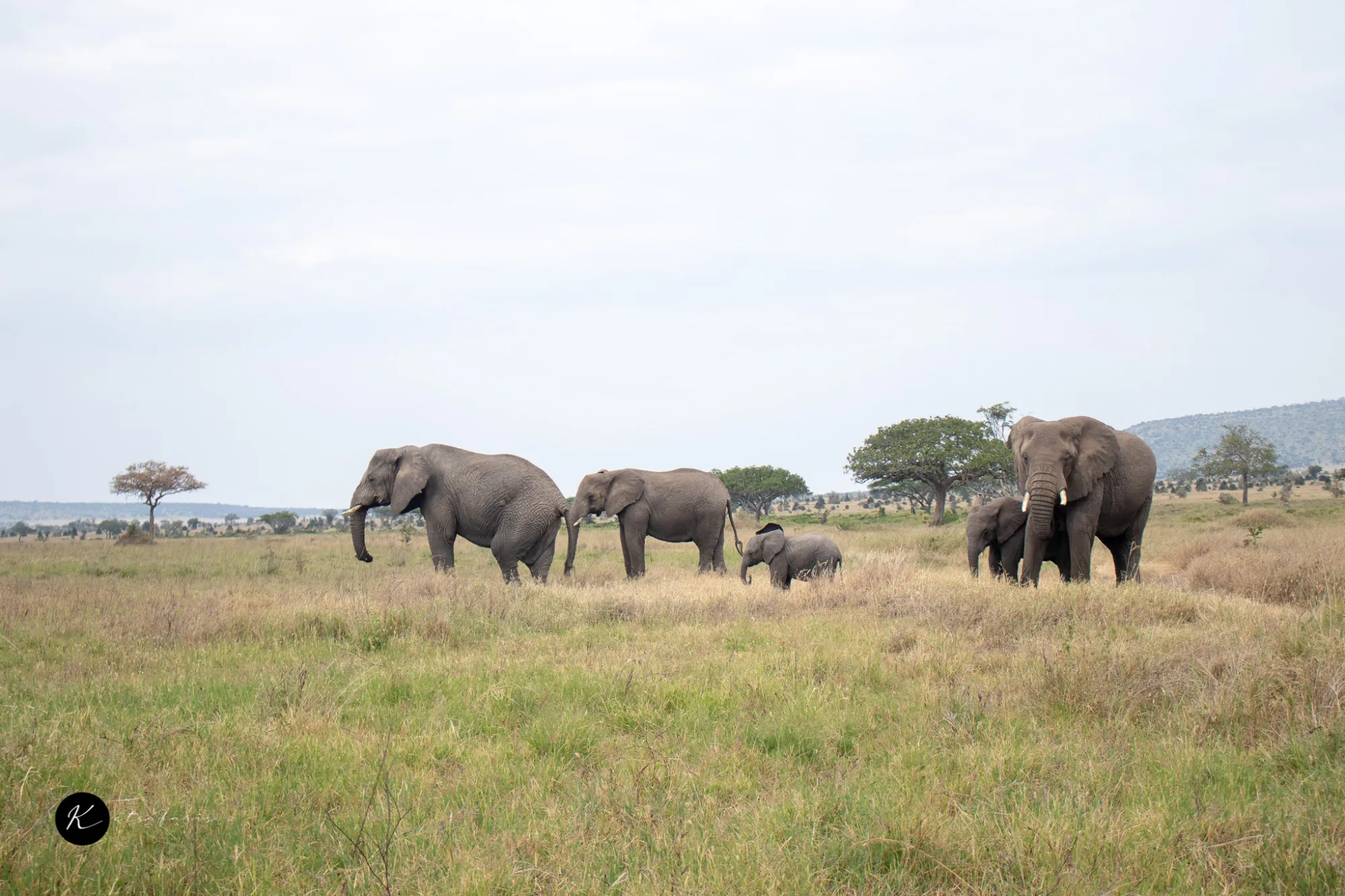
As natural water sources shrink, animals cluster around the remaining rivers and waterholes, making sightings far more concentrated and predictable. This is generally considered the best period for elephant sightings in Tsavo, along with strong chances of spotting lion, buffalo, and giraffe near permanent water points.
Crowd Levels
July through September overlaps with the peak international travel season, so expect busier lodges, higher rates, and more vehicles at popular sightings. Late June and October offer a good compromise, similar wildlife concentration with somewhat thinner crowds.
Short Rains (November): A Transitional Window
Weather and Conditions
November typically brings shorter, more scattered showers rather than the sustained downpours of the long rains. Many travelers find this manageable, with rain often falling in brief afternoon bursts rather than lasting all day.
Wildlife Visibility
The landscape turns green quickly, which is beautiful for photography, though it can make spotting animals slightly harder as vegetation thickens and water becomes more widely available.
Crowd Levels
This is a noticeably quieter period. Lodge rates often drop, and popular sightings are far less congested, making it appealing for travelers prioritizing a more private experience over guaranteed wildlife density.
Cool Dry Season (December to February): A Strong Alternative
Weather and Conditions
After the short rains taper off, December through February offers warm, mostly dry conditions again, making it a popular secondary peak season, especially around the December holidays.
Wildlife Visibility
Wildlife viewing remains good, though not quite as concentrated as the June–October peak, since some water sources replenished by the short rains are still available.
Crowd Levels
December sees a spike in visitors around the holidays, but January and February are comparatively quieter while still offering favourable weather and solid game viewing.
Long Rains (March to May): Low Season
Weather and Conditions
This is Kenya's wettest period, with sustained rainfall that can affect road conditions in Tsavo and occasionally disrupt travel plans. Some camps reduce operations or close entirely during this stretch.
Wildlife Visibility
Animals disperse widely across the parks, and dense vegetation can make spotting them more challenging. However, this is also calving season for many species, which appeals to travellers interested in seeing young wildlife if they don't mind less predictable sightings.
Crowd Levels
This is by far the quietest and most affordable time to visit. For travellers more focused on value and solitude than guaranteed wildlife density, the long rains can be a worthwhile trade-off.
Matching the Season to Your Travel Style
If You Want Guaranteed Wildlife Sightings
Aim for June through October, particularly August and September, when animals cluster predictably around water sources.
If You Want Fewer Crowds and Better Rates
Consider November or the March–May long rains, keeping in mind the trade-offs in road access and sighting predictability.
If You're Deciding Between a Group or Private Trip
Your chosen season can also influence whether a group or private itinerary makes more sense, since peak months often mean busier group departures, while quieter seasons can make private, flexible scheduling easier to arrange. It's worth reading up on group vs private safari options before booking, since the right format depends as much on your travel dates as on your budget.
Final Thoughts
There's no single "best" month for a safari from Mombasa, only the best month for what you're prioritising. If predictable wildlife sightings matter most, plan around the dry season. If you'd rather avoid crowds and don't mind a bit of rain, the shoulder months offer real value. Whichever window you choose, booking accommodations and transport in advance will help you make the most of your trip, regardless of the season.
Book Your Safari Anytime: https://share.google/Sl5qSVvhqChVhje70


















Sign in to leave a comment.