Best Time to Vaccinate a Kitten: Complete Guide for Pet Owners

A tiny kitten may look strong and playful, but inside, its immune system is still weak. In Singapore’s warm and busy environment, germs spread quickly in homes, parks, and even pet cafés. Many new cat owners often wait too long, thinking the kitten will “grow into health.” This delay can put the kitten at risk of serious diseases.
The right kitten vaccination schedule in Singapore is not just a medical step it is a life-saving routine that helps your pet stay safe from dangerous infections like feline distemper and flu.
When Is the Best Time to Vaccinate a Kitten?
The best time to start vaccination is usually when a kitten is around 6 to 8 weeks old. At this stage, the protection from the mother’s milk starts to fade, and the kitten becomes more exposed to illness.
Veterinarians in Singapore follow a structured plan based on age and risk level. You can visit a trusted vet clinic in Singapore to begin the process early.
A simple timeline often looks like this:
- 6–8 weeks: First core vaccine
- 10–12 weeks: Second booster dose
- 14–16 weeks: Final kitten vaccine stage
- 1 year later: Annual booster
This schedule may change depending on your kitten’s health and lifestyle.
Why Vaccination Matters So Much
Vaccination protects kittens from deadly diseases that spread easily in urban areas like Singapore. Without it, even indoor cats can fall sick.
Some of the most important protections include:
- Feline viral infections
- Respiratory diseases
- Digestive system infections
- Long-term immunity support
The cat vaccination Singapore guide recommended by professionals ensures your pet builds strong immunity at the right age.
For trusted medical advice, pet owners often refer to organisations like SPCA Singapore or licensed veterinary associations.
What Happens During a Kitten Vaccination?
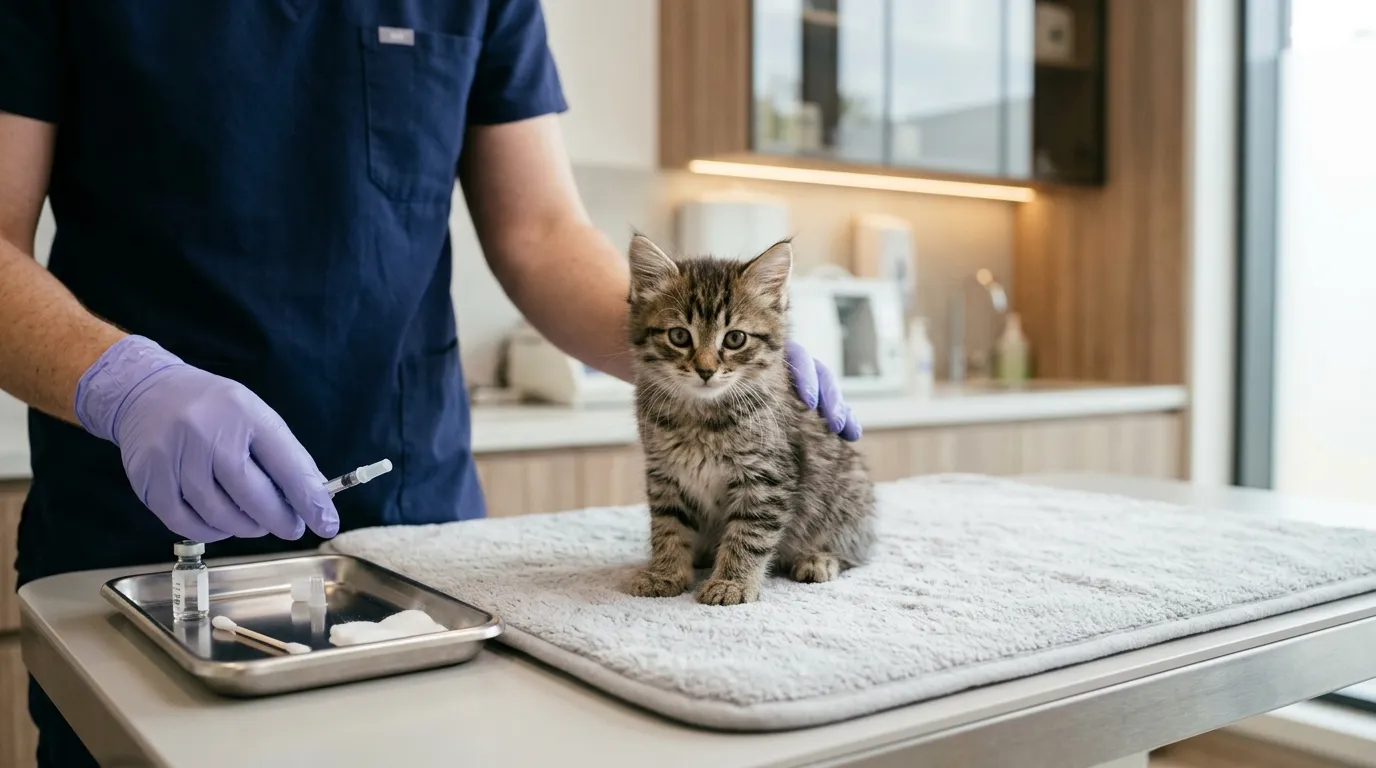
During a kitten vaccination, the visit is usually quick and easy. The vet first checks your kitten’s weight and overall health to make sure it is fit for the vaccine. After that, they may ask a few simple questions about what your kitten eats and how it behaves at home.
Then the vet gives a small injection under the skin. It takes only a few seconds and feels like a tiny pinch. After the injection, the kitten is kept for a short time so the vet can see if there is any unusual reaction.
Possible Side Effects to Expect
After a vaccine, some kittens may show small and short-lasting changes. This is normal and nothing to worry about. Your kitten may feel a bit sleepy or tired for a short time. Some kittens may also have a mild fever or may not eat as much as usual for one day.
These signs usually go away on their own very quickly. But if they continue for more than 48 hours, you should take your kitten to a vet for a check-up.
Common Mistakes Pet Owners Make
Many new cat owners in Singapore make small mistakes when it comes to vaccinations. Most of the time, they delay the first vaccine or forget the booster shots, which can put the kitten at risk later.
Here are some common mistakes to avoid:
- Waiting too long for the first vaccine
- Missing follow-up booster appointments
- Going to unlicensed or untrained clinics
- Not following the vet’s instructions
If you follow a proper kitten health care routine and listen to your vet, you can easily avoid these problems and keep your kitten safe.
Conclusion
Vaccinating your kitten at the right time is one of the most important steps in responsible pet ownership. Starting early at around 6 to 8 weeks, builds a strong shield against harmful diseases. In Singapore’s fast-moving and pet-friendly environment, following a proper vaccination plan is not optional it is essential.
By staying consistent with vet visits and following a trusted kitten vaccination schedule in Singapore, you are not only protecting your pet’s health but also giving it a longer, happier life filled with energy and safety.
FAQs
1. Can a 4-week-old kitten get vaccinated?
No, a kitten at 4 weeks is usually too young for vaccination. At this stage, it still depends on its mother’s milk for protection, and its immune system is not fully ready.
2. Do indoor cats in Singapore need vaccines?
Yes, indoor cats still need vaccination. Germs can enter the home through shoes, air, visitors, or other pets, so protection is important.
3. What is the cost of a kitten vaccination in Singapore?
The cost can vary depending on the clinic, but many vet clinic Singapore offer affordable starter packages for kittens.
4. Is vaccination painful for kittens?
Vaccination causes only a small pinch. Most kittens feel slight discomfort for a few seconds and then return to normal.
5. What should I do if I miss a vaccination date?
You should visit your vet as soon as possible. The vet will guide you and adjust the schedule to keep your kitten protected.







Sign in to leave a comment.