

Kenya is one of Africa’s most remarkable wildlife destinations, known for its vast savannahs, diverse animal species and beautiful national parks. However, the experience of a safari can vary depending on the season, weather conditions and location. Choosing the right time to visit can make a difference to wildlife sightings, photography opportunities and overall travel comfort. Whether you want to see lions roaming across open grasslands or witness the movement of wildebeest across the plains, understanding Kenya’s seasons will help you plan a more rewarding journey.
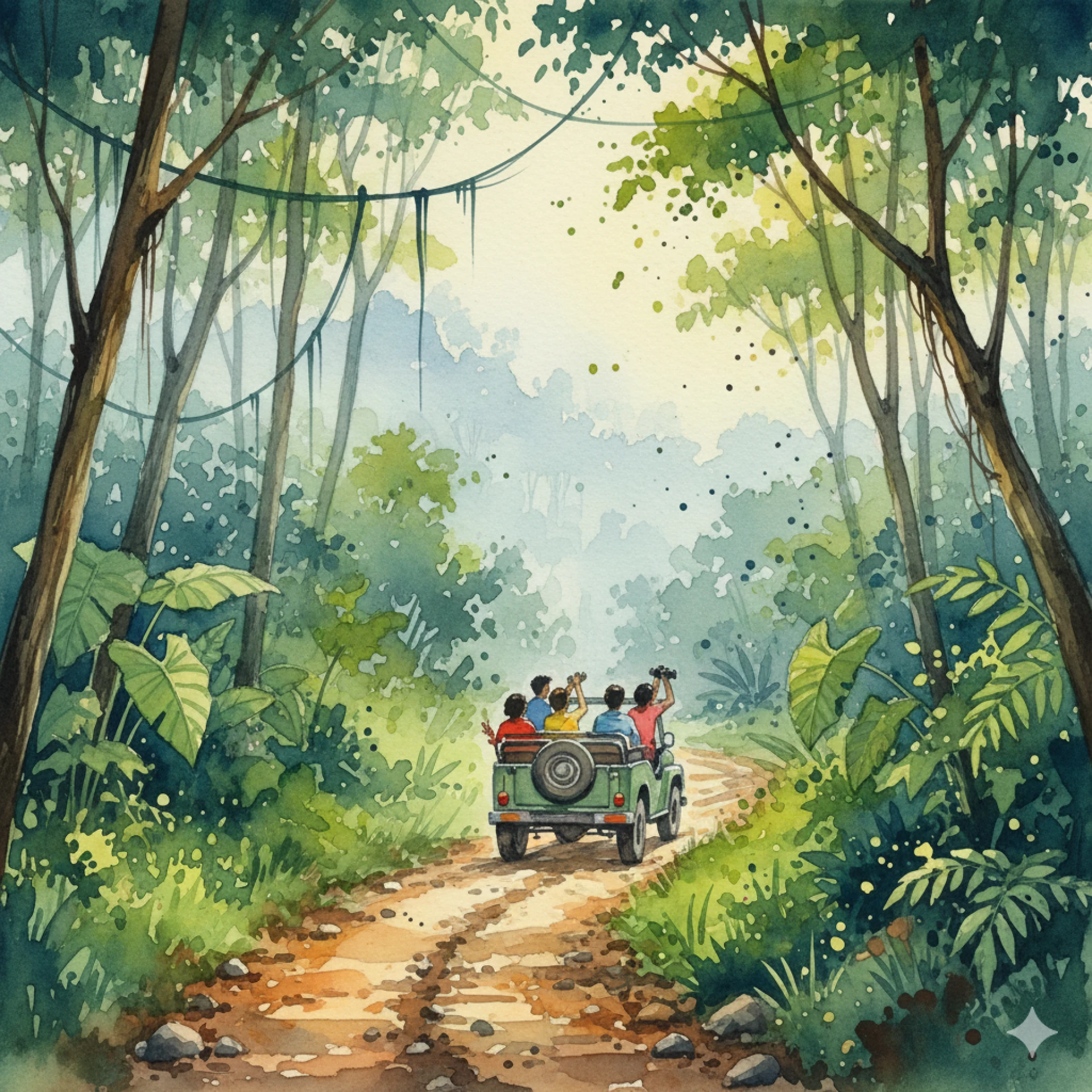
For travellers planning an African adventure, a kenya wildlife safari tour offers an opportunity to experience these natural landscapes while learning about the wildlife and ecosystems that make the country special.
Understanding Kenya’s Safari Seasons
Kenya is a year-round safari destination, but its weather generally follows distinct dry and rainy periods. These seasonal changes influence vegetation, road conditions and animal movement across different parks and reserves.
The dry periods, particularly January to March and July to October in many safari regions, often provide favourable conditions for wildlife viewing. With less dense vegetation and reduced surface water in some areas, animals may be easier to spot around water sources.
The rainy periods bring greener landscapes, seasonal flowers and fresh vegetation. Although heavy rainfall can affect some roads and game drives, these months can also offer rewarding scenery, fewer visitors in certain areas and excellent opportunities for nature photography. Conditions vary by region, so it is worth considering the specific parks included in your itinerary.
Best Months for Wildlife Viewing in Kenya
January to March: Warm Weather and Wildlife Encounters
January and February are generally warm and relatively dry across many popular safari areas. These conditions can make game drives comfortable and provide good opportunities to observe elephants, giraffes, zebras and big cats. March can become wetter as the long-rain season approaches, although the timing and intensity of rainfall vary.
This period may suit travellers who prefer open landscapes and wildlife photography without planning their trip specifically around the Great Migration.
April to June: Green Landscapes and Seasonal Changes
April and May are typically associated with Kenya’s long rains, while June often marks a transition towards drier conditions in several regions. The countryside becomes greener, creating attractive scenery for photographers and nature enthusiasts.
Rain may make some unpaved roads challenging, and certain camps may operate differently during this period. However, travellers who value quieter surroundings and lush landscapes may still enjoy a rewarding safari with appropriate planning.
July to October: Popular Months for Safari
The period from July to October is particularly popular for wildlife viewing in many Kenyan safari destinations. Drier conditions often improve visibility across the grasslands, while the seasonal movement of wildebeest and zebras draws visitors to the Maasai Mara region.
Because demand can be high during these months, booking accommodation and arranging park visits early can be helpful. Actual wildlife sightings depend on natural conditions rather than a fixed schedule.
November to December: Fresh Greenery and Changing Weather
Short rains commonly occur during November and parts of December, although rainfall patterns can differ between destinations. The landscape may become greener, offering beautiful photographic settings and a different perspective on the wilderness.
Travellers should consider local weather forecasts and road conditions before finalising their plans. December can also be busy around the holiday period, so advance reservations may be worthwhile.
When to See the Great Wildebeest Migration
The Great Wildebeest Migration is one of Kenya’s most celebrated wildlife spectacles. Large herds of wildebeest and zebras move through the wider Serengeti–Mara ecosystem in search of fresh grazing and water. The Maasai Mara National Reserve is an important destination for observing this natural movement.
July to October is often a useful period to consider when planning a migration-focused safari in Kenya. However, the herds follow rainfall, grazing conditions and other natural factors, so their location can change from year to year. River crossings are unpredictable and should never be treated as guaranteed events.
Travellers interested in migration viewing should choose their travel dates with some flexibility and discuss current herd movements with knowledgeable local guides.
Choosing the Right Season for Your Safari Experience
The best season depends on what you want to experience. Wildlife enthusiasts may prefer drier months when animals can be easier to spot in open areas. Photographers may appreciate the contrast of golden grasslands during dry periods or the rich colours of the green season.
Kenya also offers different wildlife experiences across its national parks. The Maasai Mara is well known for its open plains and migration activity, while Amboseli National Park is famous for its elephant populations and views of Mount Kilimanjaro when conditions permit.
Rather than choosing dates based on one wildlife sighting alone, consider your preferred destinations, travel pace, accommodation style and overall interests. This approach can help create a more balanced safari itinerary.
Planning Your Kenya Wildlife Safari
Good planning can make a safari more comfortable and enjoyable. Before travelling, consider park access, accommodation availability, transport between destinations and the time needed for game drives. Packing lightweight clothing, comfortable walking shoes, sun protection and suitable camera equipment can also be useful. Layered clothing is helpful because early mornings and evenings may feel cooler than daytime conditions.
An experienced International Tour Operator can help coordinate travel arrangements, accommodation and safari activities according to your preferences. When choosing a provider, review its experience, itinerary details, guide arrangements and relevant safety practices. It is also sensible to check current entry requirements and travel advice before departure.
Final Thoughts
Kenya offers memorable wildlife experiences throughout the year, but each season brings different advantages. The drier months are often favourable for general wildlife viewing, while the rainy periods offer greener landscapes and a different atmosphere. By considering your interests, preferred destinations and seasonal conditions, you can choose a safari period that suits your travel goals.















Sign in to leave a comment.