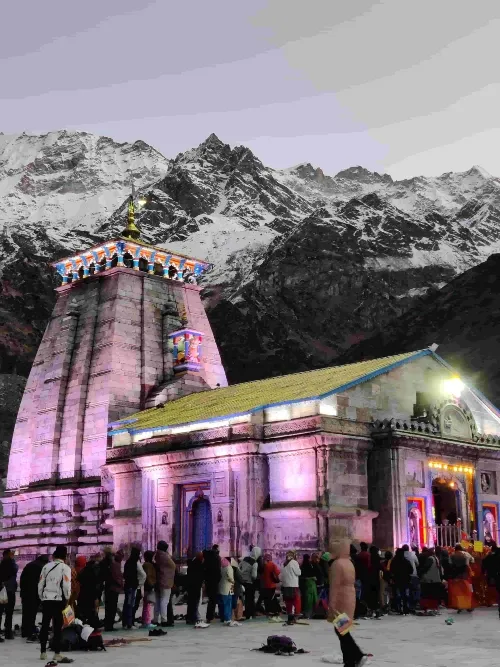

The Panch Kedar trek is one of Uttarakhand's most distinctive pilgrimage and trekking experiences, combining ancient Shiva temples with forests, alpine meadows, high mountain landscapes, and remote Himalayan trails. The circuit traditionally includes Kedarnath, Madhyamaheshwar, Tungnath, Rudranath, and Kalpeshwar, spread across the Garhwal Himalayas. Uttarakhand Tourism describes the Panch Kedar route as a major trekking circuit through ancient temples, forests, and alpine meadows.
For trekkers, choosing the right season is particularly important. Weather can affect road access, trail conditions, visibility, accommodation, and the overall trekking experience. If your priority is clear Himalayan views, comfortable trekking conditions, and a better chance of seeing the surrounding peaks, the pre-monsoon and post-monsoon periods generally deserve the most attention.
However, the Panch Kedar circuit is not one single trail with identical conditions throughout. Each temple has its own altitude, approach route, terrain, and seasonal characteristics. Understanding these differences can help you plan the journey more realistically.
What Is the Panch Kedar Trek?
Panch Kedar refers to five sacred Shiva temples located in the Garhwal Himalayas of Uttarakhand. The five sites are:
- Kedarnath
- Madhyamaheshwar
- Tungnath
- Rudranath
- Kalpeshwar
According to traditional belief, these temples are associated with different manifestations of Lord Shiva and the Pandavas. The Uttarakhand Tourism master plan identifies the Panch Kedar circuit as a challenging pilgrimage route in which the five destinations are connected through a combination of road travel and trekking.
The journey is appealing to both pilgrims and trekkers because the religious significance is accompanied by diverse Himalayan scenery. Depending on the section of the route, you may encounter dense forests, meadows, valleys, rocky trails, mountain villages, and views toward major Himalayan peaks.
Which Months Are Best for Panch Kedar?
For most travellers, the May to June and September to October periods are the most useful windows to consider when planning a Panch Kedar journey.
The official Uttarakhand Tourism information for Madhyamaheshwar identifies May to September as the general visiting period, while the broader Panch Kedar circuit information in the state's tourism master plan indicates a circuit season extending approximately from mid-April to mid-November, subject to conditions and individual destination accessibility.
For specifically prioritising clear Himalayan views, however, the two periods should not necessarily be treated identically.
May to June: Clear Views and Fresh Himalayan Landscapes
May and June are popular months for Himalayan trekking because much of the high-altitude region becomes accessible after winter conditions begin to ease.
During this period, trekkers can experience:
- Generally favourable trekking conditions
- Fresh green landscapes at lower elevations
- Snow remaining on some higher mountain slopes
- Longer daylight hours
- Good opportunities for mountain photography
- Relatively stable conditions before the main monsoon period
For photographers and trekkers interested in a combination of greenery and snow-covered Himalayan peaks, late spring and early summer can be particularly appealing.
Madhyamaheshwar, for example, sits in a mountain setting with views toward peaks including Chaukhamba, Neelkanth, and Kedarnath. Uttarakhand Tourism specifically highlights the scenic mountain vistas around the destination.
However, May and June can also be busy around popular pilgrimage destinations, particularly Kedarnath. If you prefer quieter trails and a more peaceful trekking experience, the timing within the season can matter.
September to October: Crisp Air and Post-Monsoon Views
For travellers whose primary objective is clear Himalayan scenery, the post-monsoon period is particularly worth considering.
After the main monsoon rains, the atmosphere can become clearer and the mountains may appear sharper against the sky. The landscape also remains relatively green, particularly around lower and middle elevations.
September and October can offer:
- Clearer mountain horizons
- Crisp morning air
- Green valleys after the monsoon
- Pleasant daytime trekking conditions
- Excellent photography opportunities
- Reduced cloud cover compared with the peak monsoon period
The broader Uttarakhand region also sees favourable post-monsoon conditions during September to November. Incredible India describes post-monsoon Uttarkashi as a period with crisp mountain views and comfortable temperatures.
That does not mean every day will have perfect visibility. Mountain weather can change rapidly, and cloud cover can still develop even during traditionally favourable months.
Why Avoid the Peak Monsoon Season?
July and August require additional caution for a Panch Kedar journey.
The Garhwal Himalayas receive substantial monsoon rainfall, and wet conditions can affect both trekking trails and road transportation. Slippery paths, mud, falling rocks, landslides, swollen streams, and temporary road closures can complicate a multi-destination pilgrimage.
Official tourism information for other high-altitude Uttarakhand routes similarly warns about heavy monsoon rainfall, slippery trails, landslides, and road blockages.
This is particularly relevant for a circuit like Panch Kedar because you are not simply travelling to one destination. The journey involves multiple valleys and road connections, meaning disruption in one section can affect the wider itinerary.
The monsoon also makes mountain photography less predictable. Clouds and mist can obscure peaks, while heavy rainfall can limit visibility.
What About April?
April can be an attractive month for lower-altitude travel, but conditions at higher elevations may still be influenced by winter.
The Uttarakhand Tourism master plan places the broader Panch Kedar circuit within a season beginning around mid-April, but actual accessibility depends on individual routes, temple opening schedules, snowfall, weather, and local conditions.
If you are planning an April journey, confirm the status of each temple and trekking route before travelling rather than assuming that the entire circuit is accessible simply because the calendar has moved into spring.
What About November?
November can provide excellent visibility in the Himalayas, particularly on clear autumn days, but the Panch Kedar circuit becomes more complicated because of winter conditions and temple seasonal schedules.
Temperatures fall rapidly at higher elevations, and snowfall can affect accessibility. Several Himalayan pilgrimage destinations have seasonal opening and closing arrangements, so a complete Panch Kedar itinerary requires checking the status of each temple before departure.
The issue is therefore not simply whether November provides clear skies. You also need to consider whether the individual pilgrimage routes and facilities are operating.
Which Season Gives the Best Mountain Photography?
If photography is one of your main priorities, late May to June and September to October are strong periods to consider.
May–June Photography
This period can provide an interesting combination of:
- Snow-covered higher peaks
- Green valleys
- Spring and early-summer landscapes
- Bright morning light
- Longer trekking days
Early morning is generally preferable for mountain photography because visibility can deteriorate as clouds develop later in the day.
September–October Photography
The post-monsoon period can offer:
- Clearer skies
- Strong mountain visibility
- Deep green landscapes
- Crisp atmospheric conditions
- Golden morning and evening light
For photographers specifically looking for dramatic Himalayan panoramas, early morning starts are valuable regardless of season.
Which Panch Kedar Route Offers the Most Scenic Experience?
The answer depends on what type of scenery you prefer.
Kedarnath combines pilgrimage with dramatic high-mountain surroundings. It is one of the best-known destinations in the circuit and sits at approximately 3,583 metres.
Madhyamaheshwar is particularly attractive for mountain scenery. Uttarakhand Tourism highlights views toward Chaukhamba, Neelkanth, and Kedarnath peaks from the area, while nearby Budha Madhyamaheshwar provides another viewpoint over several Himalayan summits.
Tungnath offers high-altitude landscapes around Chopta and is also associated with views toward the surrounding Himalayan ranges. The Uttarakhand Tourism master plan identifies Tungnath as one of the Panch Kedar destinations and notes its trekking and camping appeal.
Rudranath provides a more remote trekking experience, with forest and mountain terrain forming an important part of the journey.
Kalpeshwar, situated in the Urgam Valley, has a different landscape character and can be combined with the broader Panch Kedar experience.
How Weather Affects Clear Himalayan Views
Even during the recommended seasons, clear views are never guaranteed.
Himalayan weather is influenced by altitude, clouds, wind, precipitation, and local terrain. A morning that begins with clear skies can become cloudy later in the day.
For the best chance of seeing distant peaks:
- Start trekking early.
- Check the local forecast before departure.
- Keep additional days in your itinerary where possible.
- Avoid planning the entire trip around a single photography day.
- Carry appropriate layers even during warmer months.
- Follow local advice regarding trail and road conditions.
Flexibility is particularly important in remote mountain regions.
What Should You Pack for the Panch Kedar Trek?
Your packing list should reflect changing temperatures and variable mountain weather.
Essential items can include:
- Layered trekking clothing
- Waterproof outer layer
- Warm jacket
- Comfortable trekking shoes
- Woollen socks
- Gloves and cap
- Sunglasses
- Sunscreen
- Reusable water bottle
- Personal medicines
- Basic first-aid supplies
- Headlamp
- Power bank
- Rain protection
- Identification and required travel documents
Do not underestimate the temperature difference between lower valleys and high-altitude locations.
Why Proper Acclimatisation Matters
The Panch Kedar circuit involves significant elevation changes. Physical preparation and gradual acclimatisation are therefore important considerations.
Avoid treating the journey as a race. Maintain a steady walking pace, stay hydrated, rest when necessary, and pay attention to symptoms of altitude-related illness.
If you experience concerning symptoms, inform your trek leader or local support team rather than attempting to push through them.
Final Thoughts
The best time for a Panch Kedar journey depends on your priorities, but travellers seeking a combination of accessible trails and clearer Himalayan views should generally consider May to June or September to October.
May and June can provide a striking combination of green landscapes and lingering snow on higher peaks, while September and October can offer crisp post-monsoon air and excellent mountain visibility. The monsoon months of July and August require greater caution because heavy rainfall can affect trails and road access.
Most importantly, remember that the Panch Kedar circuit is a high-altitude pilgrimage and trekking journey rather than a conventional sightseeing tour. Weather, trail conditions, temple schedules, and local access can change. Confirm current conditions and opening information before departure.
With appropriate planning, flexible scheduling, suitable equipment, and respect for the mountain environment, the Panch Kedar journey can combine spiritual exploration with some of the most memorable landscapes of the Garhwal Himalayas.























Sign in to leave a comment.