
Patient care extends far beyond medical treatments and clinical procedures. Today, healthcare facilities increasingly recognize that clothing plays a meaningful role in comfort, recovery, and emotional well-being. When evaluating premium medical wear supplier options, hospital purchasing teams and care facility managers should look beyond traditional garments and focus on solutions that support dignity, mobility, and safety. Modern hospital wear for patients has evolved significantly, helping individuals feel more comfortable and respected throughout their healthcare journey.
Why Traditional Patient Gowns No Longer Meet Every Need
For decades, patient gowns focused primarily on functionality. While they provided healthcare professionals with easy access during examinations and treatments, they often overlooked the patient's emotional experience.
Many patients report feeling vulnerable, exposed, or uncomfortable when wearing outdated gown designs. These feelings can create additional stress during an already challenging time. Modern hospital wear for patients addresses these concerns by balancing clinical requirements with patient comfort and dignity.
Healthcare leaders increasingly understand that a positive patient experience contributes to overall satisfaction scores, improved cooperation during treatment, and greater confidence in care providers. As a result, facilities now seek apparel solutions that prioritize both medical functionality and patient-centered care.
Comfort That Supports Recovery
Comfort directly affects a patient's daily experience. Individuals recovering from surgery, illness, or long-term conditions spend extended periods wearing healthcare garments. Consequently, uncomfortable fabrics or poorly designed clothing can create unnecessary frustration.
Modern patient wear should include:
●Soft, breathable materials that reduce skin irritation
●Lightweight fabrics that accommodate different temperatures
●Flexible designs that allow easy movement
●Various size options to accommodate diverse body types
●Easy closures that patients can manage independently when appropriate
Patients in rehabilitation centers and nursing homes especially benefit from garments that support movement without sacrificing comfort. When patients feel physically comfortable, they often participate more willingly in therapy sessions and daily activities.
Preserving Patient Dignity Through Better Design
Dignity remains one of the most important considerations in patient-centered care. Traditional open-back gowns frequently leave patients feeling exposed, particularly when walking through hallways or common areas.
Modern healthcare apparel incorporates thoughtful features such as:
●Enhanced coverage
●Adjustable closures
●Wraparound designs
●More tailored sizing
●Gender-neutral options
These improvements help patients maintain confidence during their stay. For long-term care residents, preserving dignity contributes significantly to emotional well-being and quality of life.
Healthcare organizations that prioritize dignified apparel often receive fewer complaints related to patient comfort and privacy concerns.
Mobility-Friendly Features for Greater Independence
Recovery often requires movement. Whether patients need to walk short distances after surgery or participate in rehabilitation exercises, clothing should support—not hinder—their progress.
Modern patient garments frequently include mobility-enhancing features such as wider arm openings, flexible sleeves, secure fasteners, and adaptive designs for individuals using walkers, wheelchairs, or mobility aids.
These features encourage greater independence while reducing the risk of accidents. Patients who feel confident moving around their environment often experience a more positive recovery process.
Safety Considerations Beyond Basic Clothing
Safety remains a top priority for hospitals, rehabilitation facilities, and nursing homes. Today's patient apparel can contribute significantly to risk reduction.
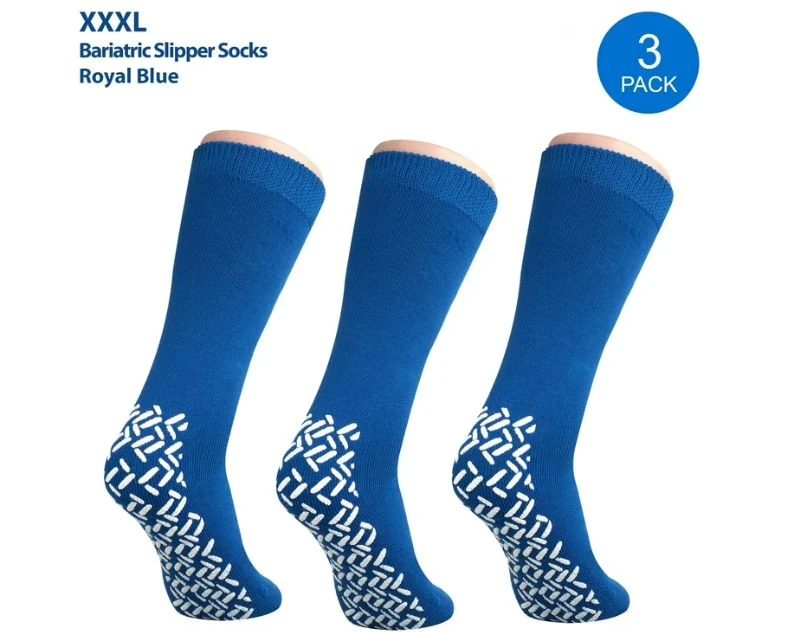
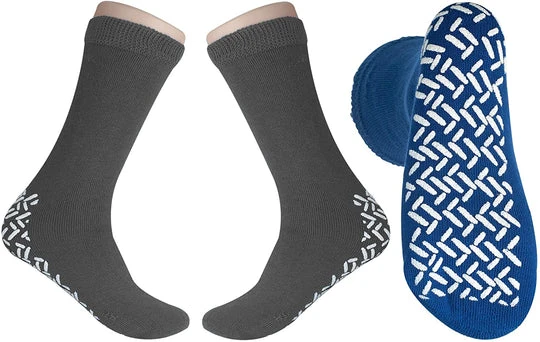
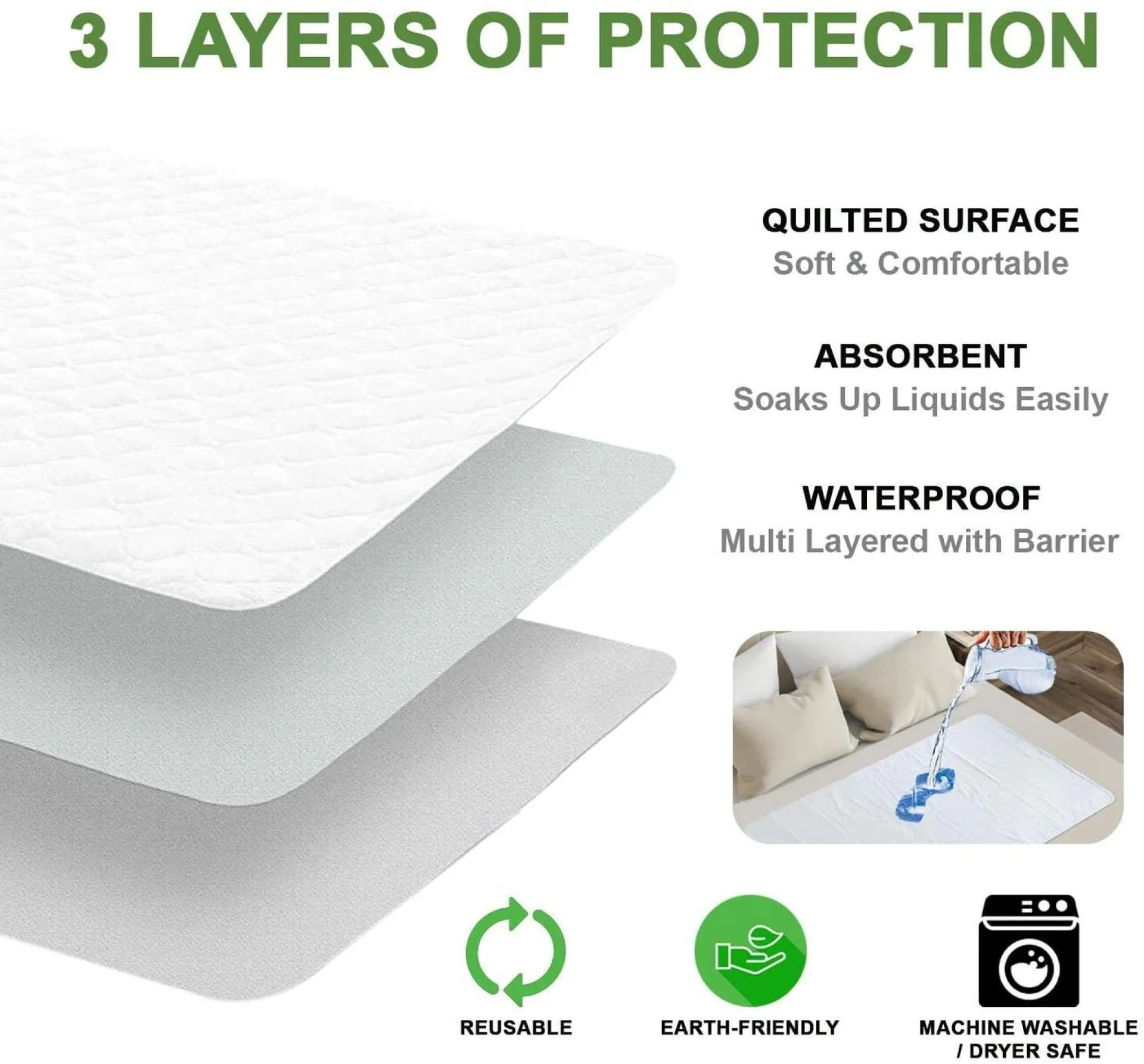
Many facilities pair modern gowns with complementary products such as non-slip socks, protective bibs, and absorbent bedding solutions. Reliable incontinence product suppliers also play an important role by providing products that help maintain cleanliness, comfort, and skin integrity for patients requiring additional support.
By integrating apparel and related care products into a comprehensive safety strategy, facilities can better address the needs of vulnerable populations.
The Importance of Durable and Practical Materials
Hospital purchasing teams must consider more than appearance when selecting patient wear. Durability directly impacts operational efficiency and long-term costs.
High-quality healthcare garments should withstand:
●Frequent laundering
●Repeated disinfection processes
●Daily wear and tear
●Long-term institutional use
Healthcare facilities often work with a premium medical wear supplier that offers dependable products designed specifically for demanding clinical environments. Quality materials help maintain appearance, comfort, and functionality over time while supporting cost-effective inventory management.
Supporting Specialized Care Environments
Different care settings require different apparel solutions. Acute care hospitals, rehabilitation centers, and nursing homes each face unique patient needs.
For example, rehabilitation patients may benefit from clothing that allows greater freedom of movement. Long-term care residents often need garments that balance comfort with ease of caregiving. Patients requiring absorbent products benefit when facilities coordinate apparel purchases with trusted incontinence product suppliers to ensure comprehensive support.
Some healthcare suppliers also offer complementary products such as bed pads, adult bibs, isolation gowns, lab coats, and non-slip socks. These additional solutions help facilities create a consistent and patient-focused care environment.
Choosing the Right Healthcare Apparel Partner
Selecting a supplier involves more than comparing product catalogs. Healthcare organizations should evaluate service quality, product reliability, shipping efficiency, and customer support.
Established suppliers that specialize in healthcare apparel often provide:
●Bulk purchasing options
●Fast order fulfillment
●Flexible return policies
●Responsive customer service
●Consistent product availability
For example, some healthcare apparel providers have built strong customer loyalty through dependable service, fast shipping, and a commitment to helping facilities stay fully stocked with essential patient-care products.
Conclusion
Modern healthcare apparel has moved far beyond the traditional patient gown. Today's facilities increasingly recognize that clothing influences comfort, dignity, mobility, safety, and overall patient satisfaction. By partnering with a trusted premium medical wear supplier, healthcare organizations can access thoughtfully designed solutions that support recovery and improve the patient experience. Additionally, working alongside dependable incontinence product suppliers helps create a more comprehensive care environment. Investing in high-quality hospital wear for patients demonstrates a commitment to patient-centered care and contributes to better outcomes across hospitals, rehabilitation centers, and long-term care facilities.



























Sign in to leave a comment.