

Healthy skin is about more than achieving a smooth complexion or a natural glow. The skin has an important protective function that helps retain moisture and defend against everyday environmental stressors. When this protective layer becomes weakened, the skin may feel tight, look flaky, or become more sensitive to products that previously caused no problems.
Understanding how the skin barrier works can help people make better decisions about cleansing, moisturizing, and choosing skincare ingredients. Instead of following every new beauty trend, a consistent routine based on the skin's needs can make a meaningful difference in everyday skin comfort.
What Is the Skin Barrier, and Why Does It Matter?
The skin barrier is the outermost part of the epidermis, commonly associated with the stratum corneum. It contains skin cells held together by lipids, including ceramides, cholesterol, and fatty acids. This structure helps reduce excessive water loss while providing protection against external irritants.
When the barrier functions properly, skin is better able to maintain its moisture balance. However, frequent washing, harsh cleansers, excessive exfoliation, and unsuitable skincare products may interfere with its protective function.
Common signs of a potentially compromised skin barrier include persistent dryness, rough texture, tightness, redness, and increased sensitivity. These symptoms can also have other causes, so ongoing irritation should not automatically be attributed to barrier damage.
Everyday Habits That Can Weaken the Skin Barrier
Sometimes, the problem is not a lack of skincare products but the way they are used. Several everyday habits can contribute to dryness and irritation.
Over-cleansing: Washing the face too frequently or using harsh cleansers can remove some of the skin's natural oils. A gentle cleanser and lukewarm water are generally better choices for maintaining comfort.
Excessive exfoliation: Using exfoliating acids, scrubs, or other exfoliating treatments too often may leave skin feeling irritated. Reduce exfoliation if you notice persistent stinging, redness, or peeling.
Ignoring moisturization: Cleansing without following up with moisturizer may leave dry skin feeling uncomfortable. Moisturizers containing ingredients such as glycerin, ceramides, or petrolatum can help support hydration and reduce moisture loss.
Changing products too frequently: Introducing several new products at once makes it difficult to identify which ingredients work well for your skin. Introduce products gradually and patch-test new formulations when possible.
How to Build a Routine That Supports Skin Health
A useful skincare routine does not need to contain numerous steps. The aim is to cleanse without unnecessary irritation, maintain hydration, and protect the skin from environmental damage.
In the morning, wash your face with a gentle cleanser or water, depending on your skin's needs. Apply a moisturizer that suits your skin type, followed by broad-spectrum sunscreen with SPF 30 or higher.
In the evening, remove sunscreen, makeup, and accumulated dirt with a gentle cleanser. Apply moisturizer while the skin is slightly damp to help reduce moisture loss. If your skin is particularly dry, a richer moisturizer may provide more lasting comfort.
People exploring natural skincare products for dry skin should look beyond the word “natural” on a label. Plant-derived ingredients can offer useful moisturizing benefits, but natural ingredients may also cause irritation or allergic reactions. The overall formulation, fragrance content, and individual skin response are more important than marketing terms alone.
The Role of Toners in a Balanced Skincare Routine
Toners can serve different purposes depending on their formulation. Some provide lightweight hydration, while others contain exfoliating acids or ingredients intended to manage excess oil. Choosing a toner should depend on what your skin actually needs rather than assuming that everyone requires one.
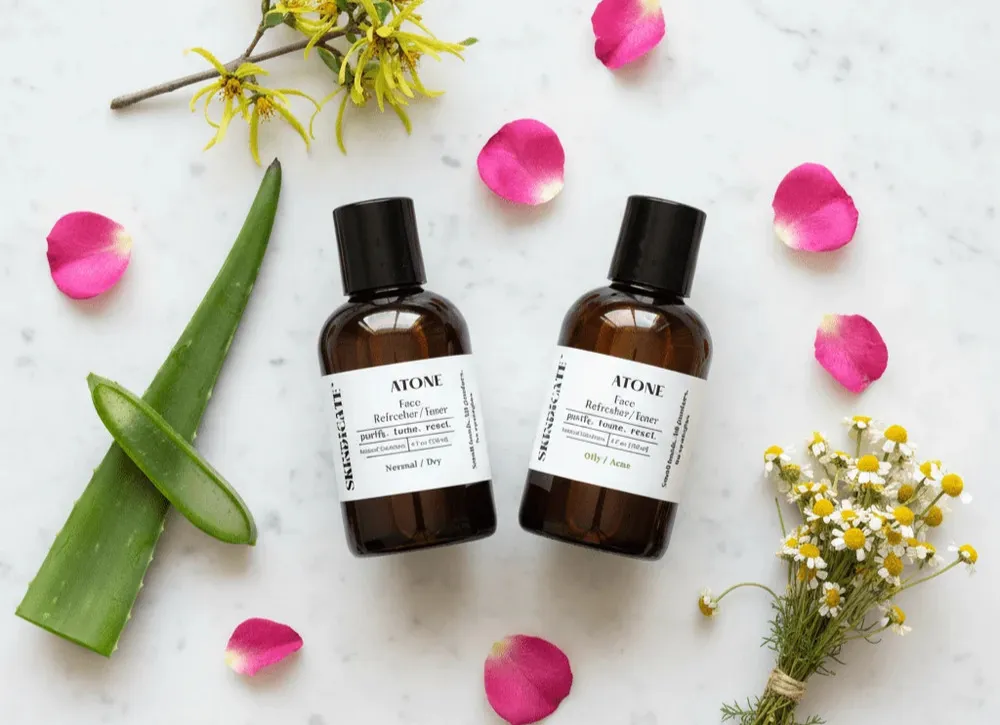
For people experiencing dryness, a gentle, non-stripping toner may be an optional addition to a basic routine. ATONE - TONER (NORMAL/DRY) can be considered within this step, provided its ingredient list and directions align with your skin's needs. Check the formulation for potential irritants and discontinue use if persistent stinging or redness develops.
A toner should not replace a moisturizer. Its role depends on its ingredients, and the most effective routine is one that keeps the skin comfortable without introducing unnecessary steps.
Choosing Skincare Ingredients With a Purpose
Reading ingredient labels can help you make more informed decisions. Rather than focusing exclusively on product claims, consider how individual ingredients support the skin.
- Glycerin: A humectant that attracts water and helps improve skin hydration.
- Hyaluronic acid: Helps bind water in the skin's outer layers, contributing to a plumper appearance.
- Ceramides: Lipids that help support the skin's protective barrier.
- Petrolatum: An occlusive ingredient that reduces water loss and can be particularly useful for very dry areas.
- Colloidal oatmeal: May help soothe itching and irritation associated with certain types of dry skin.
The best ingredient combination depends on your skin type, sensitivities, and existing routine. People with fragrance-sensitive skin may benefit from choosing fragrance-free formulations and avoiding products that trigger irritation.
When comparing the top natural skincare products, look for clear ingredient information, appropriate directions, and formulations designed for your concerns. Product suitability is more important than the number of botanical extracts or the popularity of a particular brand.
Lifestyle Factors That Influence Skin Hydration
Skincare products are only one part of maintaining comfortable skin. Environmental conditions and daily habits can also affect moisture levels.
Cold weather, low humidity, indoor heating, and prolonged exposure to hot water can increase dryness. Using a humidifier in a dry indoor environment, keeping showers comfortably warm, and applying moisturizer regularly may help reduce moisture loss.
A balanced diet containing healthy fats, protein, vitamins, and minerals supports general health, including normal skin function. Drinking enough water is important for overall hydration, although drinking extra water alone will not resolve every cause of dry skin.
Consistency is also important. Giving a simple routine time to work, while avoiding products that cause irritation, is generally more helpful than frequently switching between treatments.
When Should You Seek Professional Advice?
Occasional dryness can often be managed with gentle cleansing and regular moisturization. However, persistent redness, painful cracking, intense itching, swelling, or a rash that does not improve may indicate a condition that requires professional assessment.
Eczema, contact dermatitis, and other skin conditions can produce symptoms similar to those associated with a weakened skin barrier. A dermatologist can help identify the cause and recommend appropriate treatment.
Final Thoughts
Maintaining a healthy skin barrier begins with understanding what the skin needs rather than following complicated beauty routines. Gentle cleansing, effective moisturization, sun protection, and careful ingredient selection can help support skin comfort and hydration.
By paying attention to how your skin responds to different formulations, you can build a routine that is practical, consistent, and suited to your individual needs. The goal is not perfection but healthier-looking, more comfortable skin over time.















Sign in to leave a comment.