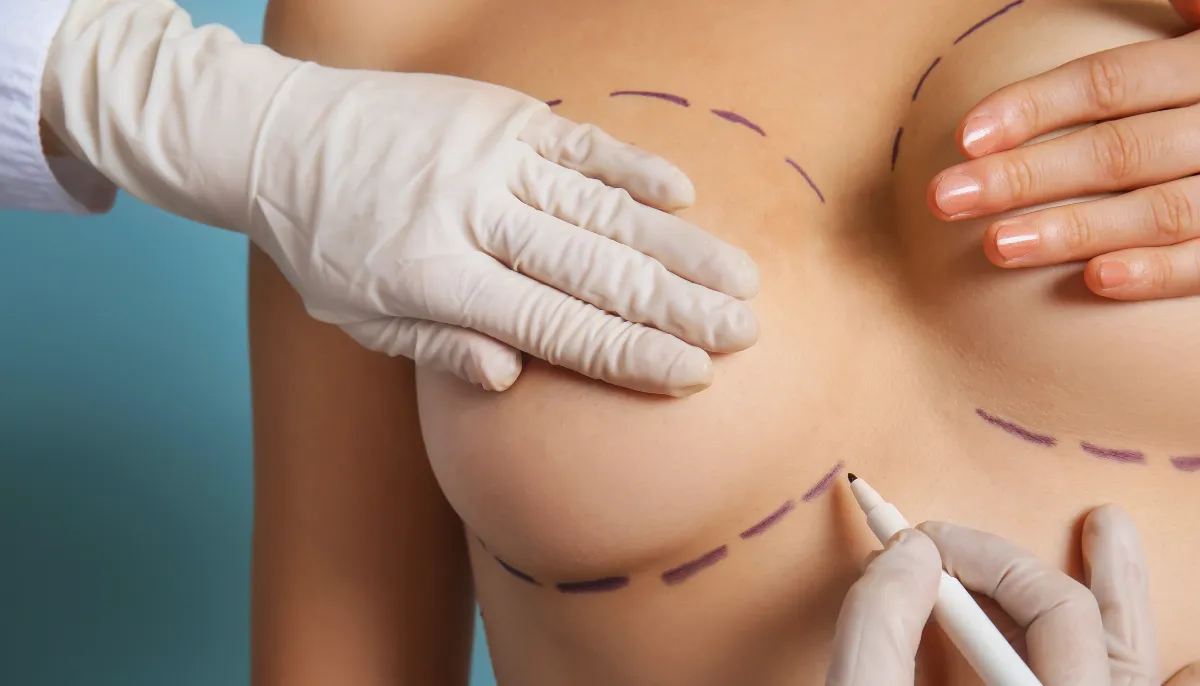

In the world of luxury aesthetics, few procedures carry the transformative power of breast augmentation. It represents a deeply personal journey toward self-confidence, a decision made not for others, but for oneself. Whether restoring volume lost after pregnancy, achieving better symmetry, or simply fulfilling a long-held desire for a more balanced silhouette, breast augmentation has evolved into a sophisticated art form. With advancements in technology and surgical techniques, today's patients have unprecedented choices to achieve results that are natural, safe, and exquisitely tailored to their unique bodies.
Understanding Your Breast Augmentation Options: A World of Choice
The journey begins with understanding the vast array of options available. The first and most significant decision a patient makes is the type of implant they will use. This choice profoundly impacts the final look and feel.
The Silicone Standard
Silicone implants remain a popular choice for their natural feel and appearance. Filled with a cohesive silicone gel, they mimic the texture of natural breast tissue more closely than other options . Many women find that gummy bear implants, or form-stable implants, offer a particularly natural slope, as the gel is thick enough to hold its shape even if the shell is broken . Their teardrop shape creates a gentle, natural slope on the upper breast, though they do offer more limited cleavage definition compared to round implants .
The Practical Choice
Saline implants offer a different set of advantages. They are filled with a sterile saltwater solution that the body can safely absorb in the event of a leak . This makes them a practical choice, though they may feel slightly less natural than silicone. They also offer the unique benefit of size customization during the procedure, as they are filled once placed .
Fat Transfer
For those seeking a more subtle enhancement using their own natural tissue, fat transfer breast augmentation is an alternative. This procedure harvests fat from other parts of the body, such as the abdomen or thighs, and injects it into the breasts . This approach offers a double benefit of body contouring and breast enhancement, though the results may not be as dramatic as with implants.
The Art of Placement and Incision
Breast augmentation is not a one-size-fits-all procedure. The surgical approach is just as important as the implant choice.
Submuscular vs. Subglandular
One of the key decisions is where to place the implant. Submuscular placement involves placing a portion of the implant behind the chest muscle, which can create a more natural upper slope and provide more tissue coverage for the implant . The recovery period is typically a bit longer, but the result is often preferred for its natural look. Alternatively, subglandular placement positions the implant above the muscle, which can offer a faster recovery and more pronounced cleavage, though it may not be suitable for women with very little natural breast tissue .
Choosing the Incision
The incision placement is another crucial consideration. An inframammary incision along the crease under the breast is the most common and versatile approach, allowing for the placement of larger implants . A peri-areolar incision around the areola can be beneficial for patients wanting a slight lift, with scars that often blend into the pigmented skin . For those who want to avoid scarring on the breast itself, a transaxillary incision in the armpit is an option, though it is less versatile for larger implants .
The Journey of Recovery: Patience and Process
Understanding the recovery process is vital for a positive experience. The journey is a gradual one, requiring patience as the body heals and the implants settle.
The Initial Days
In the first few days after surgery, patients can expect to feel tightness and pressure rather than sharp pain . This is the body adjusting to the new implant. It is crucial to rest and keep the upper body elevated to reduce swelling. Gentle walking is encouraged to promote circulation, but lifting anything heavy is strictly prohibited .
The Settling Phase
Swelling typically peaks around day two or three. By the end of the first week, many patients feel significantly better and can return to light daily activities . Over the next few weeks, the implants will begin to "drop and fluff," gradually settling into a lower, more natural position as the tissues relax . This process can take several weeks to months, and the final shape emerges over the course of a year .
The Trust Factor: Expertise in Lahore
In Lahore, access to such advanced aesthetic care is now at your doorstep. At Beautiful Beings, our team is informed by more than 20 years of experience in the field. We offer a comprehensive range of services, from non-surgical aesthetic treatments to full surgical procedures for both men and women. Our commitment to safety, using state-of-the-art techniques and FDA-approved implants, ensures that every patient's journey is as safe as it is transformative .
Frequently Asked Questions
Q: What is the difference between saline and silicone implants?
A: Saline implants are filled with a sterile saltwater solution, while silicone implants contain a cohesive silicone gel. Silicone implants are often preferred for their more natural feel, while saline offers a practical option with a smaller incision .
Q: Am I a good candidate for breast augmentation?
A: Ideal candidates are women who are physically healthy, have realistic expectations, and are seeking to enhance their breast size, restore volume, or improve symmetry .
Q: How long is the recovery period?
A: Most patients can return to desk-based work within 5–7 days . Full physical activity, including strenuous exercise, is typically cleared at 4–6 weeks . The "drop and fluff" phase, where implants settle, takes several months.
Q: How long do breast implants last?
A: Breast implants are not considered lifetime devices. It is recommended to monitor them with regular check-ups and consider replacing them every 10 to 20 years, though many may last longer. Regular screenings, such as MRI or ultrasound, are important for silicone implants .
Q: What are the risks of breast augmentation?
A: As with any surgery, risks include infection, bleeding, and changes in sensation. Specific risks include capsular contracture (tight scar tissue around the implant) and implant rupture. Rarely, a type of cancer called BIA-ALCL can develop . Choosing an experienced surgeon minimizes these risks.
Testimonial:
"I never realized how much the changes after pregnancy affected my confidence until I had my augmentation. The team at Beautiful Beings was so supportive, and the results are better than I could have imagined. I feel like myself again." - A satisfied patient
Conclusion
Breast augmentation is more than a procedure; it is an investment in how you see yourself. By understanding the options and choosing a qualified, experienced team, you can achieve a result that is both safe and spectacularly beautiful.























Sign in to leave a comment.