

Most people who search for nutrition help aren't looking for another PDF meal plan. They've already tried that. Somewhere in a downloads folder or a kitchen drawer sits a seven-day meal plan that worked for exactly nine days before life got in the way a work trip, a bad week, a birthday party. The plan didn't fail because the recipes were wrong. It failed because a meal plan, on its own, was never designed to survive real life.
This is the gap an online fitness nutrition coach is built to close. Not by handing you a stricter list of foods, but by rebuilding the habits, decisions, and mindset that determine whether any plan sticks.
<a id="why-meal-plans-fail"></a>
Why Meal Plans Alone Don't Work
A meal plan is a snapshot. It tells you what to eat on a Tuesday in a world where nothing changes — no stress, no social events, no late nights, no plateaus. Real life isn't static, so a static document can only ever be a starting point.
Three things typically go wrong with a plan-only approach:
- No flexibility. One missed meal feels like failure, so people abandon the whole approach rather than adapting it.
- No education. Following instructions isn't the same as understanding why those instructions work, so nothing transfers once the plan ends.
- No accountability. Without someone checking in, motivation is left to do all the work and motivation is unreliable by design.
This is precisely where coaching diverges from a static plan. As part of nutritional wellbeing coaching, the plan is treated as a living document that adjusts as your body, schedule, and results change not a fixed set of rules you either follow perfectly or fail.
What an Online Fitness Nutrition Coach Actually Does
An online fitness nutrition coach combines personalised nutrition guidance with ongoing behavioural support, adjusting your plan in real time based on your progress, lifestyle, and biology rather than issuing a one-off document and stepping away.
In practice, that means:
- Assessment first. Before any food recommendations happen, a proper coach looks at training load, sleep, stress, medical history, and sometimes deeper data like body composition analysis or genetic testing.
- A bespoke plan, not a template. Your plan reflects your actual life your job, your training schedule, your food preferences, your budget.
- Regular check-ins. Weekly or biweekly reviews catch problems early, before three bad weeks turn into three bad months.
- Adjustments based on data, not guesswork. If the scale isn't moving, or energy is dropping, the plan changes — it isn't your willpower that's blamed.
- Education alongside instruction. You learn why certain foods, timings, or portions matter, so the knowledge outlasts the coaching relationship.
This mirrors the structure across all three pillars of health physical, mental, and nutritional wellbeing are coached together, because they rarely improve in isolation.
The Science of Personalised Nutrition
Did You Know? Two people with identical height, weight, and activity levels can have meaningfully different calorie and micronutrient needs due to differences in gut microbiome composition, genetics, and hormonal profile. This is part of why generic "one-size-fits-all" diets have such inconsistent success rates.
Modern nutrition coaching increasingly draws on tools that go beyond a food diary:
- Body composition analysis (InBody-style scanning) to track muscle and fat changes, not just total weight
- DNA-informed dietary guidance to understand how your body processes fats, carbohydrates, and certain nutrients
- Bloodwork and biomarker review, where relevant, to catch deficiencies a scale never would
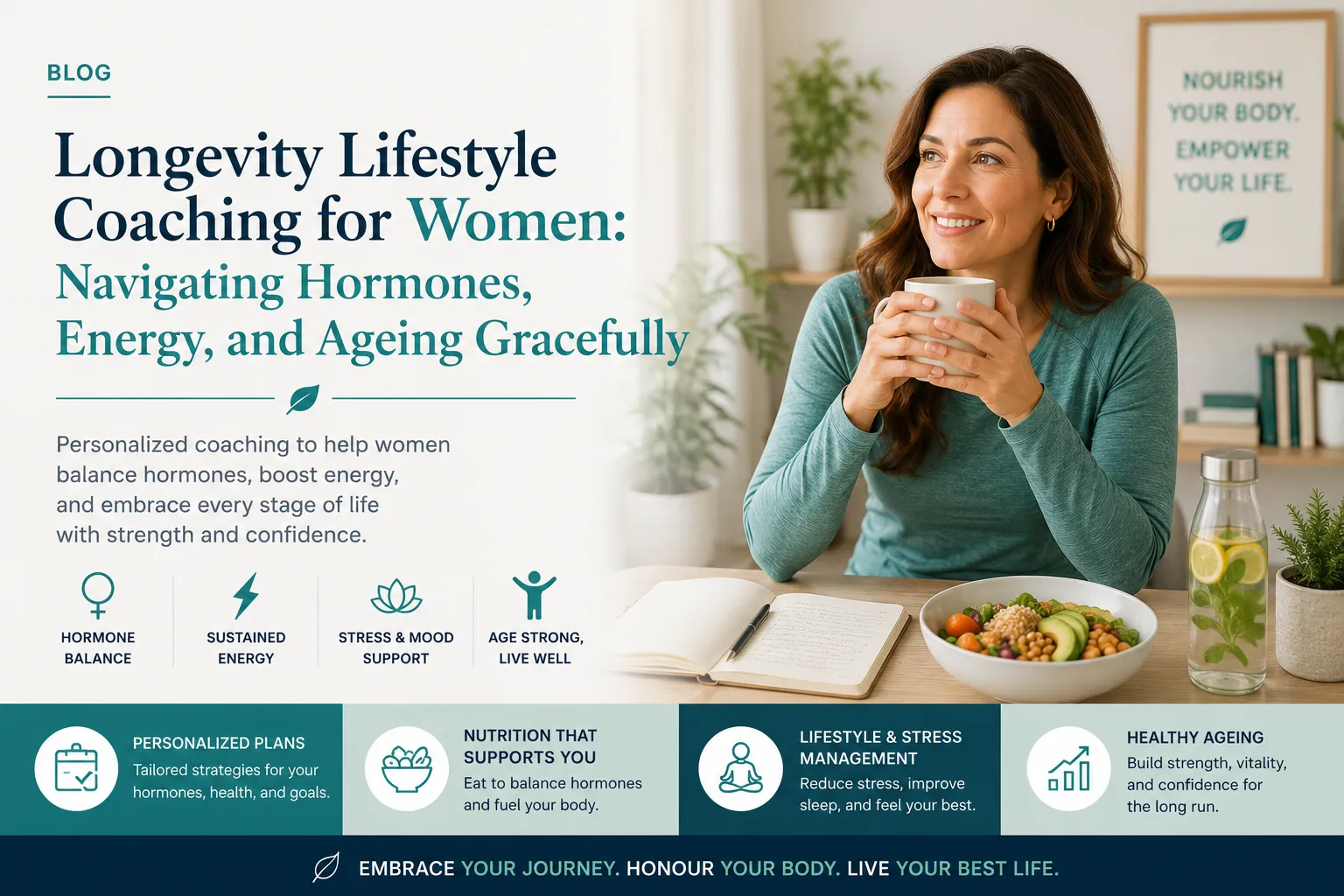
This is also where nutrition coaching starts to overlap with longevity coaching looking not just at how you look and perform today, but at the internal, cellular-level markers that influence how well you age. Nutrition, in this context, isn't just about aesthetics. It's about the years and quality of life ahead.
Expert Insight: "Based on working with CEOs, athletes, and everyday clients over a 25-year career, I've consistently seen that the plan is never the hard part — sticking to it is. My job isn't to write the perfect diet. It's to build a system flexible enough that clients keep showing up for it, even on their worst weeks." Gary Ousby, Health & Wellness Coach, Physical Well Being
Building Habits That Outlast Motivation
Lasting results come from habits, not willpower. Willpower is a finite resource that runs low under stress — which is exactly when most people need their nutrition habits to hold steady.
A coach helps by:
- Introducing changes gradually, so they don't feel overwhelming
- Anchoring new habits to existing routines (habit stacking)
- Focusing on consistency over perfection— 80% adherence sustained for a year outperforms 100% adherence sustained for three weeks
- Reframing setbacks as data, not failure
Pro Tip: Track behaviours before you track outcomes. Logging whether you hit your protein target or your water intake is a better early indicator of progress than the number on the scale, which can lag behind real change by weeks.
Accountability: The Missing Ingredient
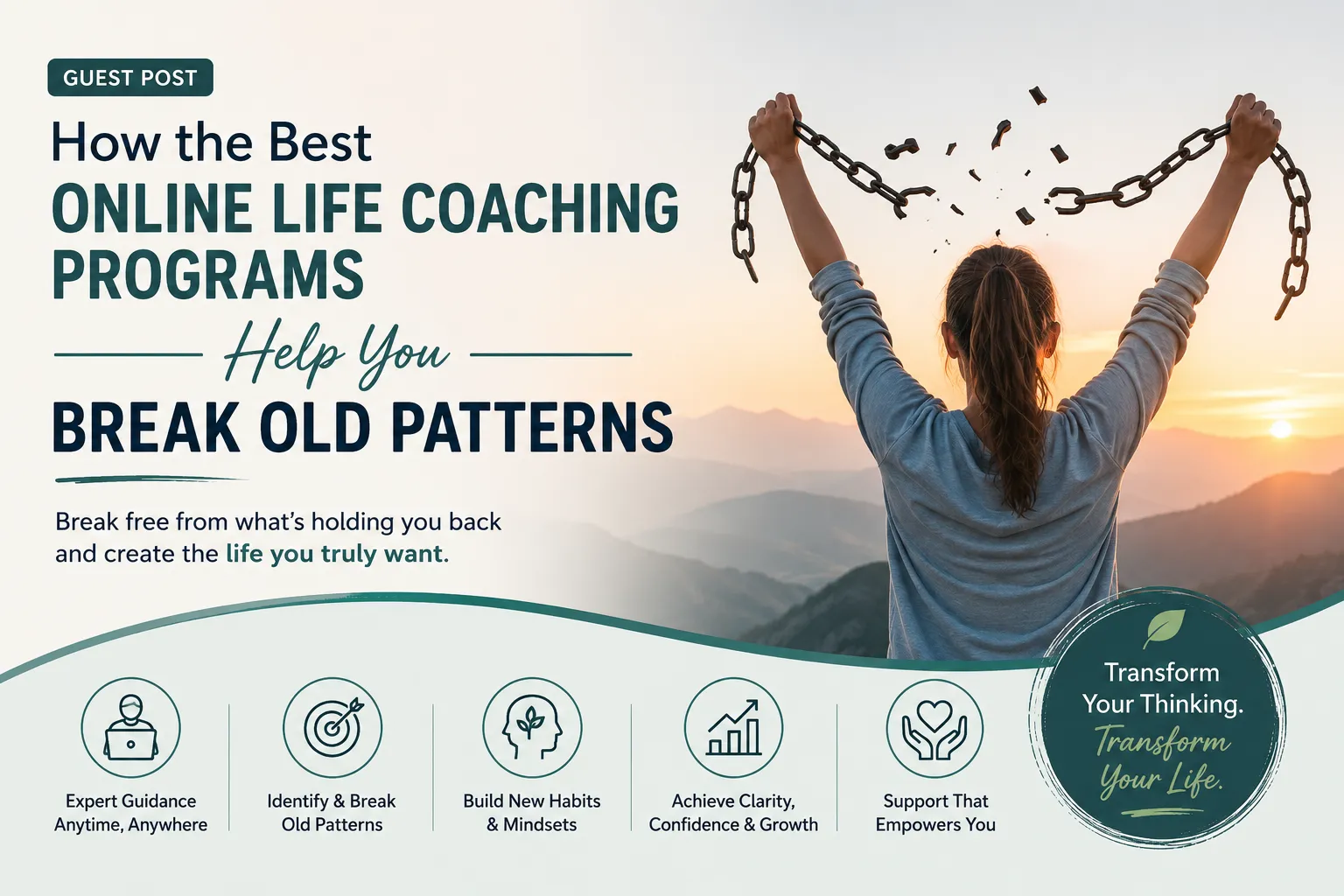
Most people don't lack knowledge about nutrition they lack a structure that holds them to it. This is a theme that runs through 8 life areas where an online life coach can change everything: ambition and information are rarely the bottleneck. Structure is.
Regular check-ins with a coach do three things an app reminder can't:
- They create a social commitment, which research on behaviour change consistently shows increases follow-through
- They surface problems while they're still small
- They provide encouragement calibrated to your actual week, not a generic notification
Common Mistakes People Make Going It Alone
- Cutting too much, too fast. Aggressive restriction triggers rebound eating and often stalls metabolism.
- Chasing the scale exclusively. Weight fluctuates daily for reasons unrelated to fat loss hydration, sodium, hormones, digestion.
- Copying someone else's plan. What works for a friend's body, training history, and schedule may not work for yours.
- Treating nutrition and training as separate. They're deeply linked under-fuelling undermines the very training meant to drive results.
This pattern of over-restriction followed by burnout is explored further in setting realistic weight loss goals with a personal health and wellness coach, which unpacks why ambitious short-term goals so often backfire.
What Lasting Results Actually Look Like
Lasting results rarely look dramatic week to week. They look like:
- Energy levels that stay consistent rather than crashing mid-afternoon
- Clothes fitting differently even when the scale barely moves
- Fewer "all or nothing" days
- A plan you could still follow, roughly, a year from now without a coach standing over your shoulder
That last point is the real test. Good coaching aims to make itself gradually less necessary the goal is a client who understands their own body well enough to self-correct.
Is Online Coaching Right for You?
Online fitness nutrition coaching tends to suit people who:
- Have tried generic plans or apps and hit a plateau or motivation wall
- Want expert input without needing to attend in-person sessions
- Are juggling a demanding job, travel, or family commitments
- Want a plan that adapts to a real, changing life rather than a fixed template
If any of that sounds familiar, the natural next step is a conversation rather than another download. Physical Well Being's free discovery call is designed to map out your goals before any plan is written, and you can see how the approach has worked for others on the client reviews page.
FAQs
How is an online fitness nutrition coach different from a meal plan app?
An app delivers a static plan based on inputs like age, weight, and goal. A coach continuously adjusts that plan based on real progress, check-ins, and life changes and provides accountability an app can't replicate.
How long does it take to see results with nutrition coaching?
Most clients notice energy and consistency improvements within 2–4 weeks, with visible body composition changes typically emerging over 8–12 weeks, depending on starting point and adherence.
Do I need to be training already to work with a nutrition coach?
No. Coaching typically starts with an assessment of your current activity level and builds from there nutrition and training plans are usually developed together for best results.
Is online coaching as effective as in-person coaching?
For most clients, yes particularly for nutrition, where check-ins, messaging, and data review (rather than physical presence) drive the majority of results.
What if I have dietary restrictions or a medical condition?
A good coach adapts the plan around restrictions, allergies, or medical guidance rather than working from a generic template, and works alongside not in place of your doctor's advice where relevant.
How often will I hear from my coach?
This varies by programme, but weekly or biweekly check-ins are standard, with messaging support in between for questions or adjustments.























Sign in to leave a comment.