
Introduction
Caring for a pet involves more than providing food, water, and a comfortable place to sleep. The right accessories can make everyday routines easier, support safe handling, encourage play, and help create a comfortable living environment for dogs, cats, and other companion animals. From walking harnesses and feeding bowls to grooming tools, bedding, carriers, and interactive toys, each item serves a different purpose.
However, not every accessory is necessary for every animal. A playful kitten has different requirements from an older dog, while a long-haired breed may need different grooming tools from a short-haired pet. Choosing accessories for pets should therefore begin with the animal's size, age, behaviour, daily routine, and individual needs rather than appearance alone.
Understanding the main categories of pet accessories can help pet owners make practical decisions, avoid unsuitable purchases, and organise essential supplies for everyday care.
What Are Pet Accessories?
Pet accessories are products designed to support an animal's daily activities, comfort, grooming, feeding, transport, and recreation. Some are everyday essentials, while others provide additional convenience or enrichment.
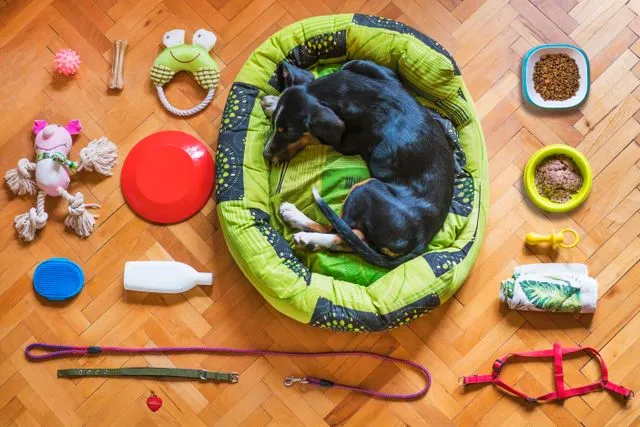
Common examples include collars, leads, harnesses, identification tags, food bowls, pet beds, brushes, nail clippers, toys, carriers, and waste collection bags. The appropriate selection depends on the species, the environment, and how the item will be used.
For example, a dog that regularly goes on walks may need a suitable lead and harness, whereas an indoor cat may benefit more from a secure carrier, scratching surface, resting area, and interactive toys. Selecting accessories according to their intended purpose helps keep pet care organised and avoids unnecessary clutter.
Essential Accessories for Different Pet Care Needs
1. Collars, Harnesses, and Leads
Collars, harnesses, and leads are commonly used to manage dogs during walks and outdoor activities. A collar can hold an identification tag, while a suitable harness may provide an alternative attachment point for a lead, depending on the animal and walking situation.
Fit is especially important. Equipment that is too tight may rub or restrict movement, while loose equipment can slip off or become caught. Measure the pet carefully and follow the manufacturer's sizing guidance. Check the fit regularly, particularly for growing puppies or animals whose weight changes.
Reflective details may improve visibility in low-light conditions. The right option should prioritise secure fastening, comfortable movement, and suitability for the pet's behaviour.
2. Feeding Bowls and Water Accessories
Food and water bowls are basic accessories used in daily feeding routines. Stainless steel, ceramic, and plastic options are available, each with different cleaning and handling considerations.
When selecting a bowl, consider its stability, size, ease of cleaning, and suitability for the animal. Non-slip bases may help reduce movement during meals, while raised feeding systems may suit some situations but are not necessary for every pet.
Travel water bottles and portable bowls can also be useful during walks or journeys. Regardless of the format, feeding and drinking accessories should be cleaned regularly and kept in good condition.
3. Pet Beds, Blankets, and Resting Accessories
A comfortable resting area gives pets a designated place to relax. Beds, cushions, blankets, and washable mats are available in different sizes, materials, and designs.
The right choice depends on the pet's sleeping habits, body size, coat, and preferred resting position. Some animals prefer raised edges, while others may favour a flat mat or open cushion. Washable covers can make routine cleaning more convenient.
Consider where the bed will be placed, how easily it can be cleaned, and whether its materials are appropriate for the environment. Check bedding periodically for torn fabric, exposed filling, or other damage.
4. Toys and Interactive Play Accessories
Toys provide opportunities for activity, exploration, and mental engagement. Dogs may enjoy fetch toys, suitable chew toys, and puzzle feeders, while cats may respond to balls, scratching toys, and supervised interactive play.
Toy selection should reflect the animal's size, age, play style, and chewing behaviour. Avoid toys with small detachable components that could be swallowed, and remove damaged items when they become unsafe. String-based toys for cats should be stored securely after play to prevent accidental ingestion.
5. Grooming and Personal Care Accessories
Grooming accessories help pet owners maintain coat care and manage routine cleaning. Common items include brushes, combs, pet nail clippers, grooming gloves, towels, and shampoos formulated for animals.
Different coats require different tools. A long-haired pet may need a comb that helps manage tangles, while a short-haired animal may require a softer brush. Grooming tools should be comfortable to handle and suitable for the pet's coat and skin.
Use products intended for the relevant animal and follow label instructions. Human shampoos and fragrances should not automatically be treated as suitable for pets. If grooming causes persistent irritation or discomfort, seek advice from a veterinary professional.
6. Travel Carriers and Transport Accessories
Carriers, travel crates, seat restraints, and portable bowls can help organise pet transport. These items are particularly relevant for veterinary appointments, holidays, and other journeys.
A carrier should provide adequate space for the animal to stand, turn, and settle as appropriate for the journey. Secure closures, ventilation, easy cleaning, and manageable handling are important considerations.
For vehicle travel, choose a restraint or carrier designed for the intended use and follow its instructions. Allow pets to become familiar with transport equipment gradually where possible, and never leave an animal unattended in a potentially hot vehicle.
7. Litter, Waste Management, and Cleaning Accessories
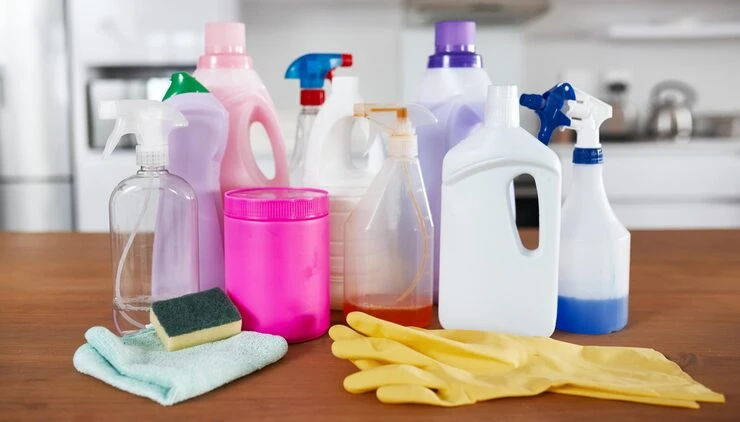
Hygiene-related accessories help manage the mess associated with pet care. Cat litter trays, scoops, waste bags, cleaning cloths, washable mats, and suitable odour-control products are examples.
The right products depend on the animal, the living arrangement, and the frequency of cleaning. Litter trays should be appropriately sized and placed in a suitable location, while waste bags can make outdoor dog walks easier to manage.
Pet bowls, bedding, toys, and other frequently used items also need routine cleaning. The US Centers for Disease Control and Prevention provides guidance on cleaning pet supplies, including bowls, bedding, and toys.
How to Choose Accessories That Suit Your Pet
Selecting suitable accessories involves balancing comfort, function, durability, and cost.
Consider size and fit. Check measurements rather than relying on breed labels alone. Adjustable items may be useful, but they still need regular fit checks.
Review materials and construction. Look for smooth edges, secure fastenings, suitable materials, and clear care instructions. Inspect products for loose parts or damage before use.
Match the item to the activity. Walking equipment, indoor toys, grooming tools, and travel carriers serve different purposes. Choose based on the activities your pet actually performs.
Think about cleaning and storage. Washable materials and easy-to-clean surfaces can simplify routine care. Consider whether you have enough space to store accessories safely.
Account for age and behaviour. Puppies and kittens may need different sizes and supervision from adult animals. Older pets may benefit from accessories that are easy to access and comfortable to use.
Prioritise safety over appearance. Bright colours and attractive designs may be appealing, but the item should not restrict breathing, movement, vision, or normal behaviour.
Keeping Pet Accessories Clean and Well Maintained
Regular maintenance helps identify damage and keeps everyday pet items in suitable condition. Cleaning frequency should depend on the type of item, how often it is used, and the manufacturer's directions.
- Wash food and water bowls regularly, following any dishwasher or handwashing instructions.
- Clean bedding and blankets according to their care labels.
- Inspect leads, harnesses, collars, and carriers for worn straps, damaged clips, or faulty closures.
- Check toys for tears, loose components, and exposed filling.
- Store grooming products and cleaning supplies safely, away from pets and children.
- Replace items that are damaged or cannot be cleaned adequately.
Follow product instructions when cleaning pet accessories. Cleaning removes dirt and residues, while disinfection is a separate process that may be appropriate in particular circumstances. Any cleaning or disinfecting product used around pet items should be handled according to its label.
Building a Practical Pet Accessory Collection
A useful pet accessory collection does not need to include every available product. Begin with the items required for feeding, resting, hygiene, safe handling, and appropriate activity. Add specialised products only when they meet a clear need.
For a new dog, this might mean suitable walking equipment, feeding bowls, bedding, grooming supplies, toys, and waste bags. For a cat, useful essentials may include food and water bowls, a litter tray, a carrier, resting areas, a scratching surface, and appropriate toys.
Review the collection as the animal grows or its routine changes. This approach helps keep supplies relevant and makes it easier to identify items that need cleaning, repair, or replacement.
Conclusion
The right accessories for pets can support daily care, comfortable resting, safe travel, grooming, feeding, and play. From practical collars and carriers to bedding, bowls, and interactive toys, each product should suit the animal's needs and intended use.
Before choosing an accessory, consider fit, material, ease of cleaning, durability, and safety. Regular inspection and maintenance are equally important, as damaged or unsuitable products can create avoidable risks. By focusing on practical essentials rather than appearance alone, pet owners can build a useful collection that fits their animal's lifestyle and everyday routine.





















Sign in to leave a comment.