

In an increasingly visual digital landscape, how a company presents its offline experiences matters just as much as its online presence. Corporate gatherings, trade shows, industry conferences, and product launches represent significant financial and temporal investments. Yet, many organizations overlook one crucial element: how these moments are documented and leveraged after the venue lights go down.
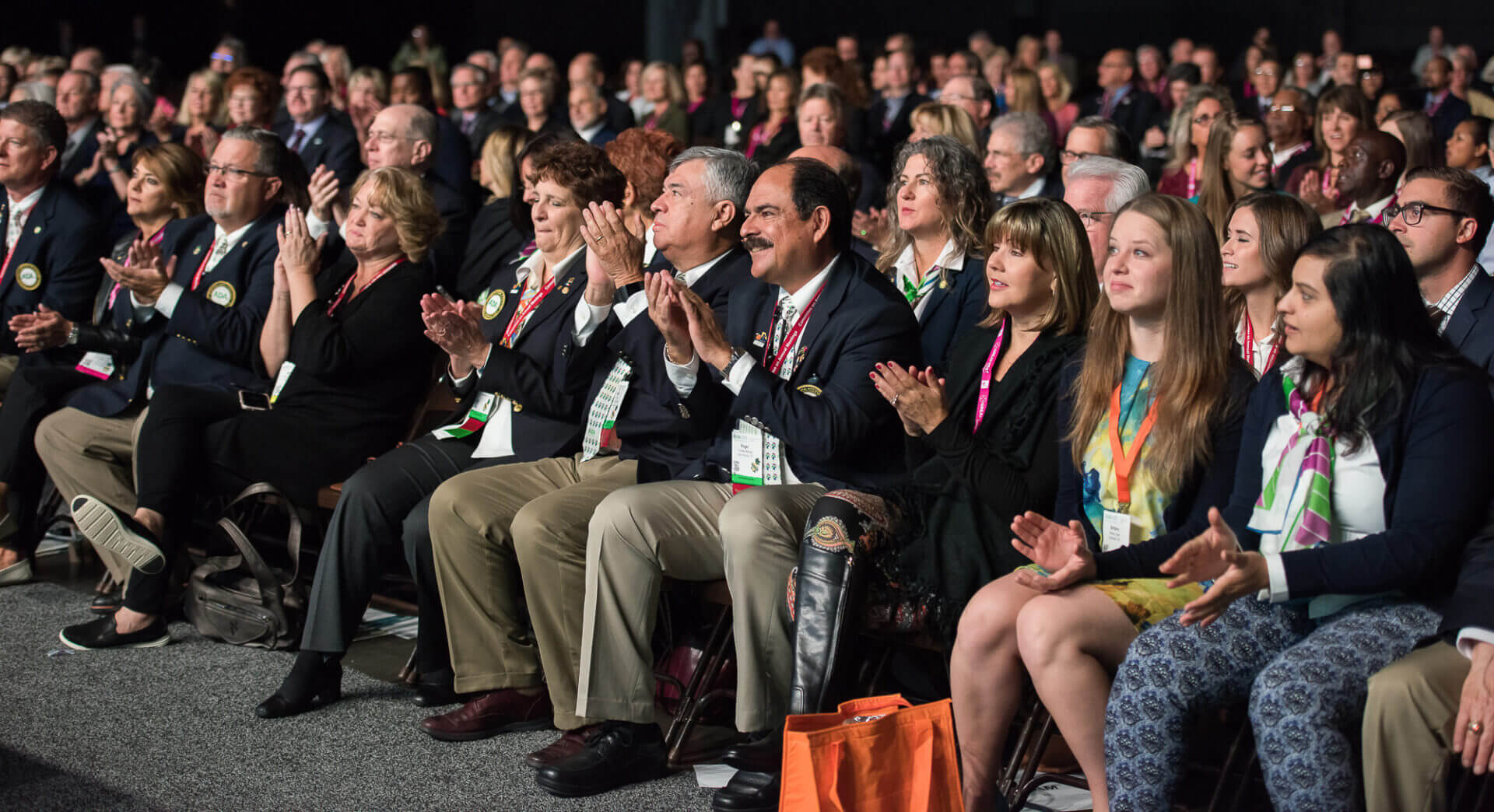
Investing in high-quality Corporate Event Photography does far more than create a visual archive of an event. It serves as a versatile strategic asset that drives marketing initiatives, strengthens internal corporate culture, and elevates brand reputation across multiple channels.
1. Transforming Live Moments into Lasting Content Assets
A well-executed corporate event offers a rich, fleeting opportunity to capture authentic human interaction and brand engagement. When professional imagery is captured systematically, it transforms a two-day conference into a year-long marketing repository.
Enhancing Digital Marketing and PR Campaigns
Stock imagery rarely captures the authentic spirit of an organization. Real images of active team members, engaged attendees, and vibrant keynote sessions provide powerful visual proof of a company's market presence. High-resolution visuals can be repurposed for:
- Press releases and media kits announcing company milestones
- Social media campaigns on platforms like LinkedIn, Instagram, and Twitter
- Annual corporate reports, white papers, and investor decks
- Website landing pages and future event registration portals
Driving Post-Event Engagement
The period immediately following a major event is critical for audience retention. Sharing polished event imagery through follow-up email campaigns, attendee galleries, and social recaps allows organizers to maintain momentum, express gratitude to sponsors, and keep conversations active long after the closing remarks.
2. Navigating the Complexities of Corporate Event Environments
Capturing a professional gathering requires a distinct set of skills compared to traditional portrait or consumer photography. Corporate venues present unique technical and logistical challenges that demand technical expertise and adaptability.
Managing Low-Light and Variable Dynamic Range
Exhibition halls, hotel ballrooms, and auditoriums frequently feature challenging lighting conditions—from dim ambient seating to harsh spotlighting on keynote stages. Professional photographers utilize specialized equipment and exposure techniques to ensure speaker faces remain clear, presentation slides stay legible, and atmospheric shots capture the scope of the room without grain or blur.
Documenting High-Velocity Schedules
Trade shows and multi-track conventions operate on tight, unpredictable schedules. Experienced event photographers understand how to navigate crowded floors unobtrusively, anticipating key moments—such as ribbon-cuttings, executive handshakes, award presentations, and dynamic audience reactions—without interrupting the natural flow of the event.
3. Elevating Brand Authority and Sponsor Value
Every corporate gathering reflects the standards and professionalism of the hosting brand. Visual assets directly influence how potential clients, partners, and stakeholders perceive an organization's authority within its industry.
Maximizing Sponsor ROI Through Detailed Visuals
For trade shows and large-scale conventions, sponsors and exhibitors represent vital financial backbones. Documenting prominent signage, branded booths, sponsored lounges, and product demonstrations provides sponsors with tangible proof of performance. Offering detailed visual reports helps secure recurring sponsorships for future events by clearly demonstrating crowd foot traffic and brand exposure.
Building Authentic Employer Branding
Top talent often evaluates potential employers based on company culture and workplace environment. Authentic imagery featuring team building activities, panel discussions, award ceremonies, and informal networking offers a transparent window into company values, aiding talent acquisition and recruitment efforts.
4. Best Practices for Maximizing Event Photo Value
To extract the highest possible return on investment from event imagery, organizations should approach documentation with a clear, strategic plan prior to the event date.
- Develop a Comprehensive Shot List: Outline critical keynotes, executive headshots, booth setups, and high-priority branding areas for the photographer.
- Establish Fast Turnaround Expectations: Request same-day or next-day highlight reels for immediate social media updates and press distribution.
- Plan Visual Integration Early: Align the visual style with your marketing department's graphic standards, ensuring captured photos fit seamlessly into existing layout templates and brand guidelines.
Conclusion: Securing the Return on Your Event Investment
Ultimately, live corporate events are transient, but the value they generate should not be. Documenting these milestones through professional Corporate Event Photography bridges the gap between physical experience and long-term marketing strategy, giving organizations the tools to tell their story, engage stakeholders, and amplify brand presence across every platform. Partnering with a dedicated team like Proshots Events Photography ensures that every critical moment, handshake, and keynote is captured with precision and clarity. Securing visual assets today ensures your organization continues to reap the benefits of its events long into the future.




























Sign in to leave a comment.