Bidet Seat: Benefits, Features, and a Complete Buying Guide

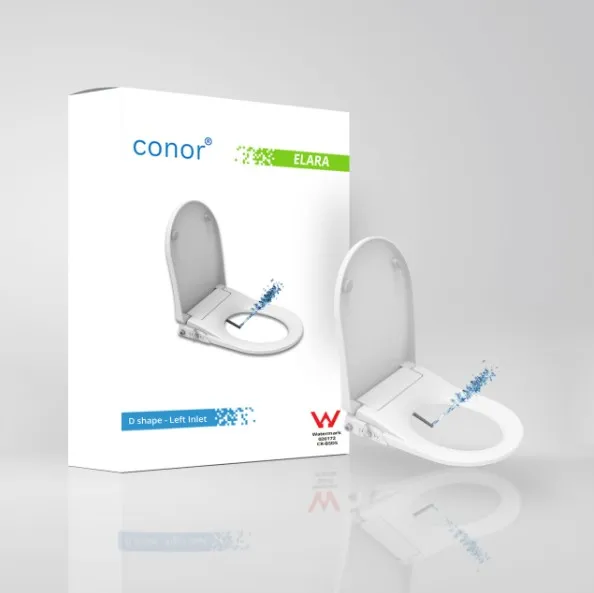
Bathroom comfort and personal hygiene are important parts of everyday life. As homeowners look for practical ways to improve their daily routines, modern bathroom fixtures are becoming increasingly popular. One useful upgrade is a bidet seat, which combines the familiar design of a traditional toilet seat with a built-in water cleaning system. This simple addition can make personal cleaning more comfortable while reducing reliance on toilet paper.
A bidet seat is available in several styles, ranging from basic models with manual controls to advanced electronic versions with heated seating, adjustable water temperature, and automatic drying. Understanding these options can help you choose a product that suits your bathroom, personal preferences, and budget.
What Is a Bidet Seat?
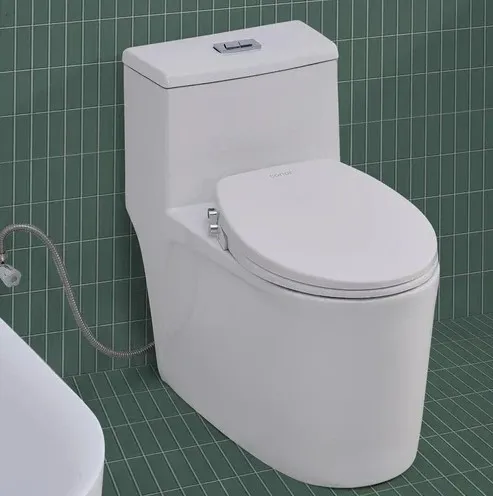
A bidet seat replaces a conventional toilet seat and includes a nozzle that directs water for personal cleaning after using the toilet. Most models connect to the existing water supply, while electronic versions require a suitable power source to operate additional features.
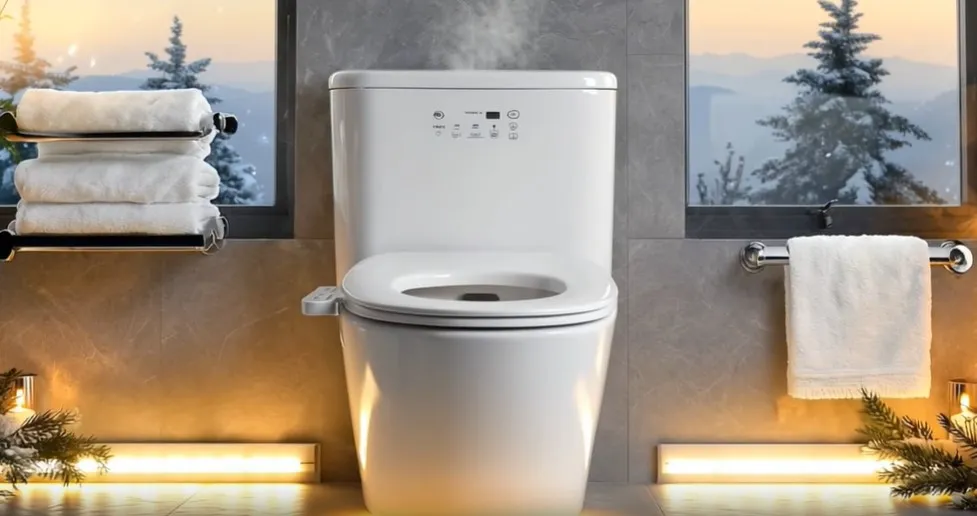
Basic designs generally provide water spraying functions with adjustable pressure. More advanced models may include warm-water washing, heated seating, self-cleaning nozzles, remote controls, and warm-air drying. These features allow users to customize their experience according to their needs.
Unlike a standalone bidet, this type of seat uses the existing toilet space. It can therefore be a practical solution for apartments, smaller bathrooms, and homes where installing an additional plumbing fixture would be inconvenient.
Benefits of Using a Bidet Seat
One of the main advantages is improved personal cleanliness. Water helps remove residue after using the toilet and may reduce the need for repeated wiping. For people with sensitive skin, gentle water cleaning can also be more comfortable than frequent friction from toilet paper.
Another benefit is reduced toilet paper consumption. Although some users may still prefer paper or a clean towel for drying, water-based cleaning can reduce the amount required during everyday bathroom routines. Over time, this may help lower household expenses and reduce paper waste.
Comfort is another important consideration. Adjustable water pressure allows users to select a suitable spray strength, while warm-water functions can make cleaning more pleasant. Heated seating can provide additional comfort during colder weather, and automatic drying may reduce the need for extra cleaning materials.
Bidet seats can also support accessibility. Older adults and people with limited mobility may find water-based cleaning easier than traditional wiping. Depending on the model, features such as remote controls and automatic washing functions can make personal care more convenient.
Important Features to Consider
Before purchasing a bidet seat, check whether it fits your existing toilet. Toilet bowls vary in shape, dimensions, and mounting arrangements, so measuring the available space and reviewing the manufacturer's specifications can help prevent compatibility problems.
Water temperature is another factor to consider. Non-electric models are usually simpler and may be more affordable, although they generally offer fewer advanced features. Electric models can provide warm-water washing, heated seating, and drying functions, but they require a suitable electrical connection.
Nozzle quality also matters. Look for adjustable spray positions, smooth pressure controls, and self-cleaning functions. These features can improve comfort and simplify routine cleaning.
Consider the control system as well. Clearly labeled buttons or an easy-to-use remote can make operation more convenient for different household members. Durable materials, warranty coverage, and access to replacement parts can also influence long-term value.
Installation and Maintenance
Installation requirements depend on the model and your existing bathroom setup. Many basic seats can be fitted by following the manufacturer's instructions, provided the toilet and plumbing are compatible. Turn off the water supply before making connections, secure the fittings properly, and inspect them for leaks after installation.
Electronic models require additional attention to electrical safety. Ensure that the power supply and installation method meet applicable safety requirements. If new wiring or plumbing modifications are necessary, consult a qualified professional.
Regular maintenance helps preserve hygiene and performance. Clean the seat and nozzle according to the manufacturer's recommendations, avoid harsh chemicals that may damage surfaces, and check water connections periodically for signs of leakage or wear.
Conclusion
A bidet seat is a practical bathroom upgrade that combines personal hygiene, comfort, and everyday convenience. Its space-saving design makes it suitable for many homes, while its range of features allows users to choose between straightforward cleaning functions and advanced electronic options.
By considering compatibility, water pressure, temperature settings, installation requirements, and maintenance needs, you can select a model that meets your expectations. A well-chosen seat can improve daily bathroom routines while helping reduce toilet paper consumption and providing a more comfortable cleaning experience.






Sign in to leave a comment.