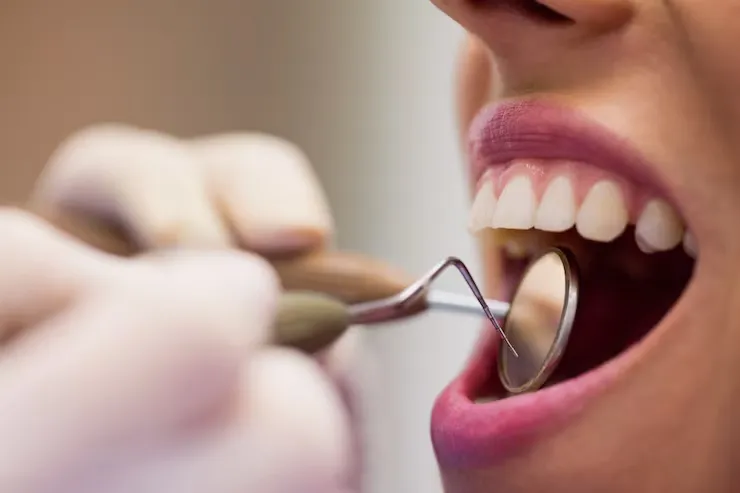

There is a meaningful difference between a dentist who has read about biological dentistry and one who has received formal training, been assessed, and earned recognized credentials in the field. That difference matters enormously — both for professionals seeking to build careers in whole-body-aware dental practice and for patients trying to navigate a healthcare marketplace where the terminology of holistic and biological dentistry is sometimes used more loosely than it should be.
Understanding how biological dentistry certification works — what it requires, what it demonstrates, and how to find and verify it — is increasingly important for anyone engaged with this growing field.
The Credential Gap in Holistic Dental Practice
For much of its history, biological dentistry has existed in a somewhat ambiguous professional space. Practitioners could describe themselves as holistic or biological dentists without necessarily having completed any formal training beyond their original dental degree. While many such practitioners genuinely embraced the philosophy and educated themselves independently, the lack of a standardized credentialing system made it difficult for patients or colleagues to assess their actual competency in the field.
Formal biological dentistry certification addresses this gap by establishing clear, assessable competencies that distinguish practitioners who have committed to rigorous professional development in biological dentistry from those who have simply adopted the vocabulary.
What the Certification Process Involves
The path to biological dentistry certification typically involves several stages that together build a comprehensive professional foundation.
Pre-Assessment and Foundational Study
Most certification programs begin with a self-assessment phase in which candidates evaluate their existing knowledge and identify areas where further study is needed. This is followed by structured coursework covering the science of oral-systemic medicine, dental toxicology, biocompatible material selection, mercury-safe protocols, airway assessment, and nutritional approaches to oral health.
This foundational learning phase is not incidental to certification — it is its core. The goal is not simply to pass an examination but to genuinely develop the knowledge and clinical perspective that the certification is designed to represent.
Practical Training and Protocol Mastery
Beyond academic knowledge, biological dentistry certification requires demonstrated competency in specific clinical protocols. Safe amalgam removal — including proper isolation, protective equipment, high-volume evacuation, and appropriate post-removal support — is a key example. Practitioners must demonstrate that they can execute these protocols correctly, not merely describe them.
Evaluation and Assessment
Formal certification programs include an evaluation component — typically a combination of written assessment, case study review, and sometimes direct observation or documentation of clinical practice. This evaluation ensures that certification reflects genuine competency rather than simply course completion.
Continuing Education and Renewal
Because biological dentistry is a dynamic field with an evolving evidence base, most recognized certification programs include continuing education requirements and periodic renewal. This ongoing commitment ensures that certified practitioners stay current with developments in research, materials science, and clinical protocols.
How Patients Can Use Certification Information
For patients evaluating biological dental practices, certification information is a practical tool. When considering a new provider, it is entirely reasonable to ask directly:
- Have you completed formal biological dentistry certification?
- Which organization awarded your certification, and what did it require?
- How do you maintain your certification through continuing education?
A practitioner with genuine certification credentials should be able to answer these questions specifically and confidently. Vague responses — or the sense that a practitioner is unfamiliar with the standards their claimed credential implies — are worth noting.
It is also worth checking whether the certifying organization is itself recognized and credible. As the field has grown, multiple credentialing bodies have emerged with varying levels of rigor. Researching the organization behind a certification is a reasonable step in evaluating what that credential actually means.
The Professional Development Value for Dental Practitioners
For dental professionals, pursuing biological dentistry certification is a significant professional development commitment — and one that pays dividends in multiple ways.
Clinically, it deepens the practitioner's ability to serve patients who are seeking whole-body-conscious care. The training provides practical tools — material selection frameworks, protocol knowledge, diagnostic lenses — that immediately enhance clinical practice.
Professionally, it connects the practitioner to a community of peers with shared values and a commitment to evidence-based biological practice. This community provides ongoing support, mentorship, and access to continuing education resources that keep skills current.
Commercially, it provides a clear and verifiable credential that communicates expertise to prospective patients who are specifically seeking certified biological dental care — a growing demographic that values transparency and documented professional development.
Conclusion
Biological dentistry certification is, at its core, a commitment — a commitment to the patients who deserve to know that their practitioner has truly invested in understanding how dental care affects the whole body, and a commitment to the profession's integrity in a field where terminology is sometimes used loosely. Whether you are a patient seeking trustworthy biological dental care or a practitioner building a career within this evolving discipline, understanding what certification represents — and why it matters — is a valuable starting point.




























Sign in to leave a comment.