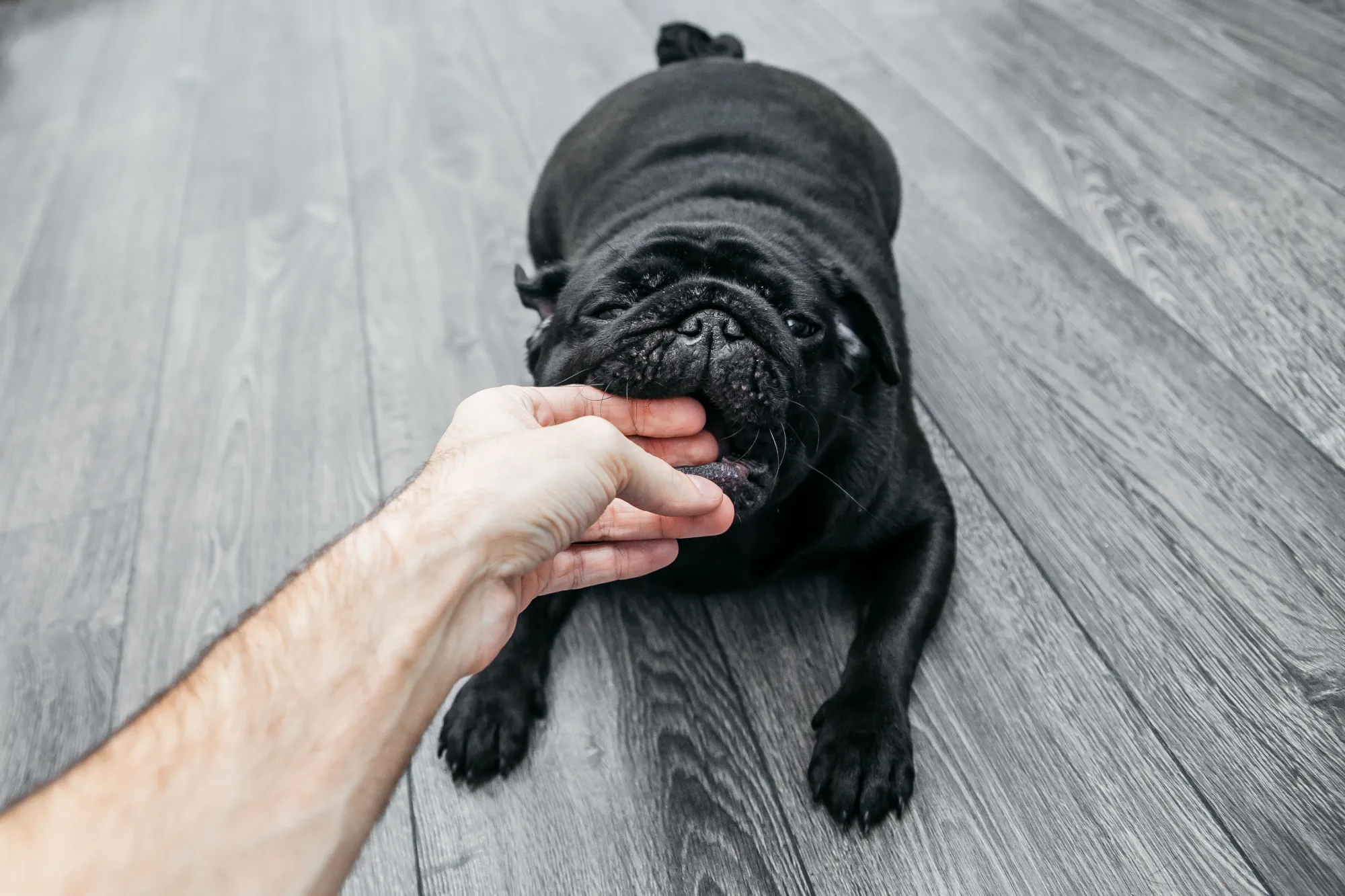

A dog bite can leave you with physical injuries, emotional trauma, and mounting medical bills. Beyond the immediate pain and wound care, you may be wondering whether you have grounds to take legal action against the dog's owner. Understanding your rights and the steps involved in pursuing a claim can help you recover compensation for your losses and hold responsible parties accountable. Dog bite laws vary significantly by location, but most jurisdictions recognize the right of injured parties to seek damages through civil lawsuits or insurance claims.
Understanding Liability in Dog Bite Cases
Dog bite liability depends largely on the legal framework in your state or country. Most jurisdictions follow one of two approaches: strict liability or the "one free bite" rule. Under strict liability laws, dog owners are responsible for injuries caused by their pets regardless of whether the dog had a history of aggression or whether the owner knew about any dangerous tendencies. This approach is increasingly common in the United States and shifts the burden of responsibility firmly onto the owner. The "one free bite" rule, used in some states, allows owners to escape liability for a first bite if they had no prior knowledge that their dog was dangerous. Regardless of which rule applies in your area, documenting the circumstances of the bite and gathering evidence will be critical to establishing liability.
Documenting the Incident
The moments immediately following a dog bite are crucial for building a strong legal case. If you are able to do so safely, take photographs of your injuries, the location where the bite occurred, and any visible damage to your clothing. Seek medical attention promptly and keep detailed records of all treatment you receive, including emergency room visits, follow-up appointments, prescriptions, and physical therapy sessions. Request the dog owner's contact information and homeowner's or renter's insurance details if possible. If witnesses were present, obtain their names and phone numbers, as their statements can corroborate your account of events. Document your pain, discomfort, and any restrictions on your daily activities in the days and weeks following the bite, as this information helps establish the extent of your suffering.
Reporting the Bite to Authorities
Most jurisdictions require or strongly encourage reporting dog bites to local animal control, health departments, or law enforcement. This official report creates a documented record of the incident and helps authorities track potentially dangerous animals. The report also serves as an important piece of evidence if you later pursue legal action, as it provides an independent, contemporaneous account of what happened. Animal control agencies may conduct investigations, examine the dog, and determine whether it poses a public safety risk. In some cases, the dog may be quarantined to monitor for rabies or other diseases. These official actions and records strengthen your legal position by demonstrating that authorities took the incident seriously and that the bite was significant enough to warrant official intervention.
Notifying the Dog Owner's Insurance
Most homeowner's and renter's insurance policies include liability coverage for dog bite injuries. Contact the dog owner's insurance company and provide a detailed account of the incident along with your documentation. The insurance company will assign an adjuster to investigate your claim. Be truthful in your communications with the insurance adjuster, but do not accept a settlement offer immediately if it seems inadequate for your injuries and expenses. Insurance companies sometimes offer quick settlements that do not fully compensate injured parties for their losses. You have the right to negotiate and may want to consult with an attorney before accepting any offer. Keep copies of all correspondence with the insurance company and maintain a timeline of your communications for future reference.
Gathering Medical and Financial Evidence
Comprehensive documentation of your medical treatment and financial losses is essential for any dog bite claim. Request complete medical records from all healthcare providers who treated you following the bite, including detailed invoices and explanations of benefits from your insurance company. Calculate all out-of-pocket expenses, including deductibles, copayments, and any treatments not covered by insurance. If the bite caused scarring, disfigurement, or long-term complications requiring ongoing treatment, obtain professional medical opinions about your prognosis and future treatment needs. Document lost wages if you had to miss work during recovery and provide employer statements confirming the dates and amount of income you lost. These materials form the foundation of your damages claim and help quantify the full extent of your losses.
Consulting With a Personal Injury Attorney
While minor dog bite cases involving minimal injury and clear liability may be resolved through insurance claims, more serious cases benefit from professional legal representation. When navigating the complexities of a dog bite claim in the Houston area, a dog bite attorney in Houston provides the focused legal knowledge needed to evaluate liability, negotiate with insurers, and pursue full compensation on your behalf. If settlement negotiations fail, your attorney can file a lawsuit and represent you in court. Many personal injury lawyers work on a contingency basis, meaning they only collect a fee if you win your case or reach a settlement. Consultation fees are often free, so speaking with an attorney costs you nothing and can provide valuable clarity about your legal options.
Conclusion
Pursuing legal action after a dog bite requires careful documentation, understanding of liability laws in your area, and strategic decision-making about when to accept settlements or escalate your case. By reporting the incident to authorities, gathering thorough medical and financial records, and consulting with qualified legal professionals, you protect your rights and maximize your chances of recovering fair compensation. The specific outcome of your case will depend on local laws, the severity of your injuries, and the dog owner's insurance coverage, but taking prompt action gives you the best opportunity to hold responsible parties accountable and move forward with your recovery.
























Sign in to leave a comment.