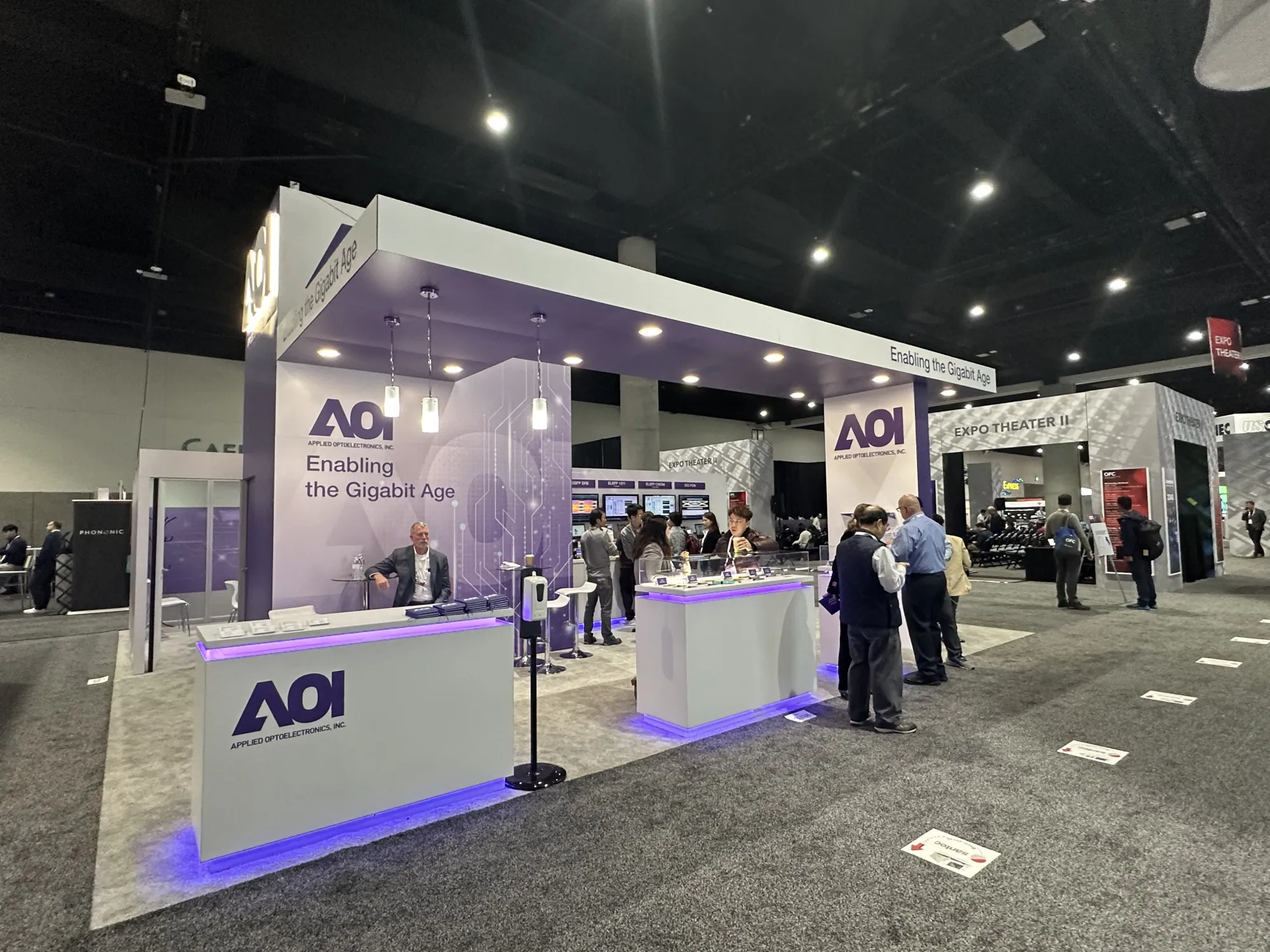

Every January, thousands of companies write a check for their CES presence and hope the return justifies the spend. Some walk away with a floor full of qualified leads and real momentum. Others get a week of foot traffic, a stack of business cards nobody follows up on, and a bill that's hard to explain to finance afterward. The difference usually isn't luck, it's whether the money spent on trade show display booths was actually spent on the things that drive results, or just on the things that looked impressive in a proposal.
This isn't a pitch for spending more. It's an honest look at where CES exhibit budgets actually go, what tends to be worth it, and what often isn't.
Why "How Much Should a Booth Cost" Is the Wrong First Question
Exhibitors new to CES often start by asking what a booth "should" cost, as if there's a right answer waiting to be found. There isn't. A 10x10 space with a simple counter and banner costs a fraction of a 40x40 island build with a two-story structure, live demos, and a private meeting suite, and both can be the right choice, depending entirely on what the exhibitor actually needs to accomplish.
The more useful question is: what does success at this show actually look like for us? A startup validating early market interest has a completely different bar for success than an established company defending market share against three direct competitors on the same aisle. Skipping this question is often what leads to overspending on the wrong things, or underspending on the ones that matter.
Where the Money Often Gets Wasted
Talk to enough CES exhibitors after the show closes, and a few recurring regrets come up:
- Paying for scale without a plan for the extra space. A bigger footprint doesn't automatically generate more leads if there's no clear reason for attendees to fill it.
- Over-investing in visual spectacle, under-investing in staff training. A stunning structure with unprepared staff still loses the conversation once someone actually stops.
- Skipping the lead-capture plan entirely. Some exhibitors spend heavily on design and treat lead tracking as an afterthought, then struggle to justify the spend once the show is over.
- Choosing a design that doesn't survive contact with the real floor. Renderings can look great and still miss basic realities, sightlines blocked by a neighboring booth, an entrance that funnels traffic the wrong way, lighting that washes out under the venue's actual conditions.
None of these are reasons to spend less. They're reasons to spend more deliberately.
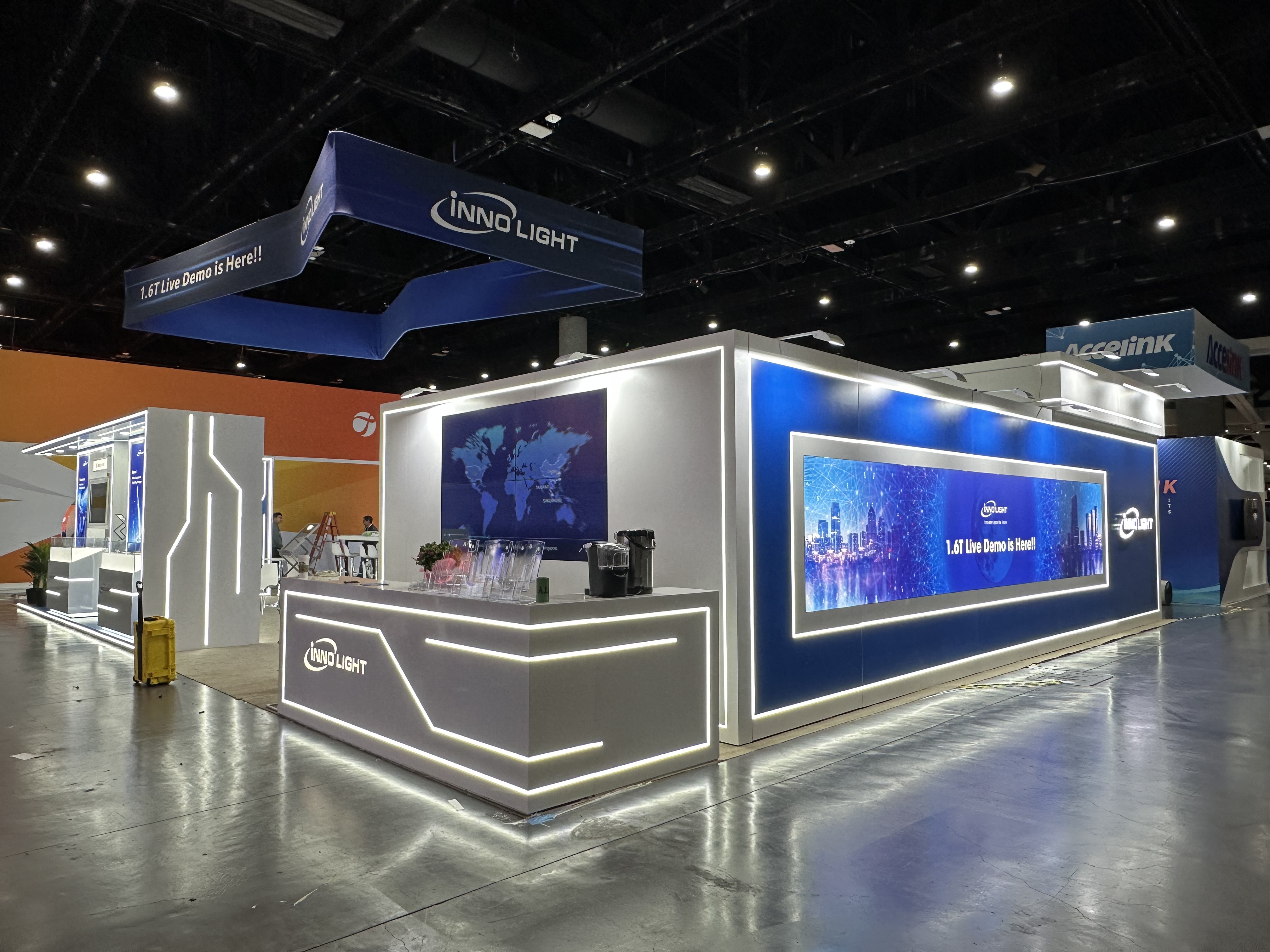
What Actually Tends to Pay Off
Based on what consistently works for exhibitors across CES and other major U.S. shows, a few investments tend to earn their keep:
- A clear, fast-to-understand value proposition, visible from a distance, that tells a passing attendee exactly why to stop
- At least one interactive element, a live demo, a hands-on experience, that gives visitors a reason to linger rather than glance and move on
- Enough functional space for real conversations, whether that's a casual demo counter or a quieter area for serious buyers
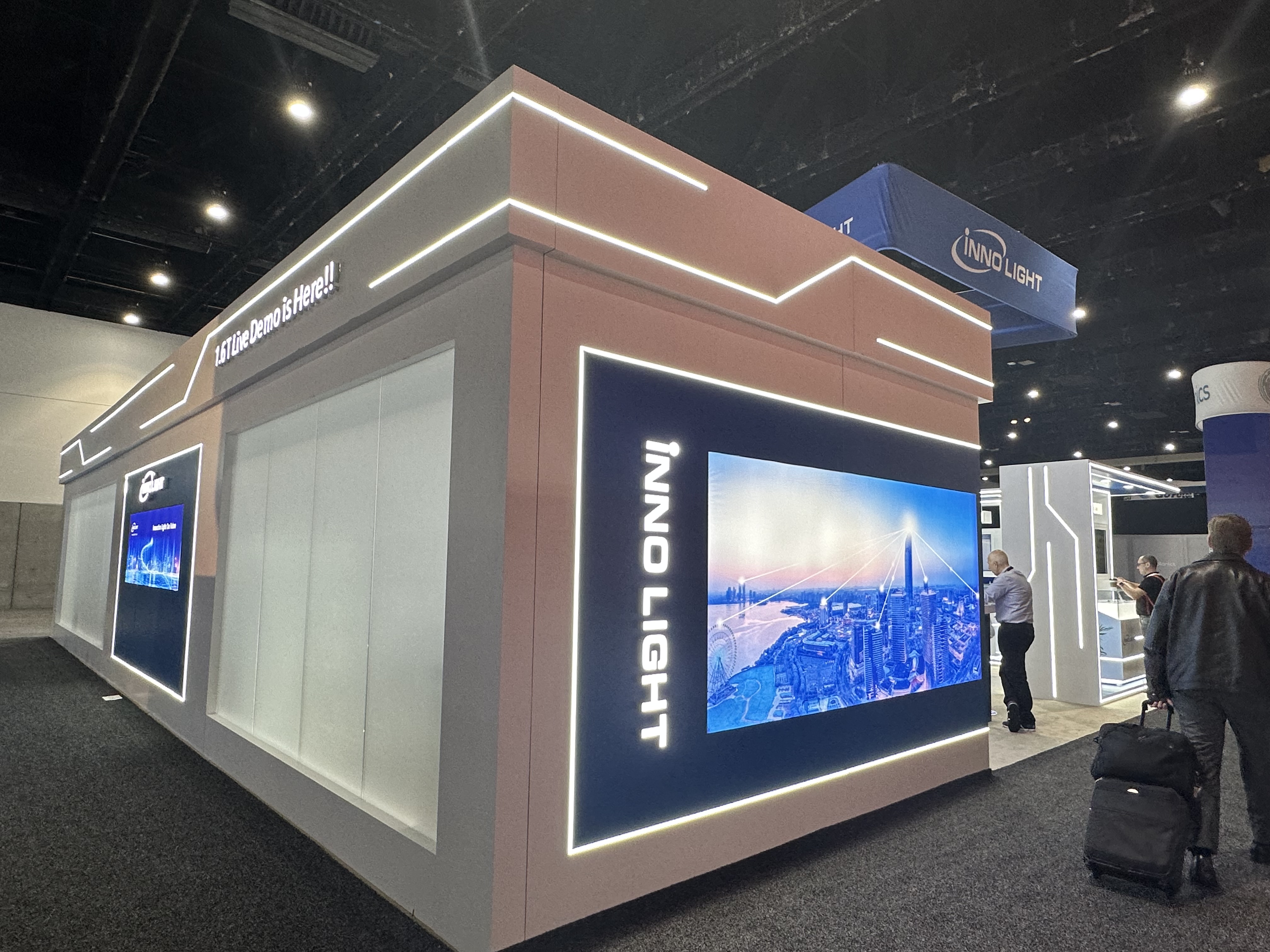
- A structurally sound, well-fabricated build. This is where working with an experienced trade show exhibit design company genuinely matters, a booth that looks right in a rendering still has to be engineered and built correctly to hold up over four days of heavy foot traffic
Custom Doesn't Always Mean Expensive, But It Does Mean Deliberate
There's a common assumption that a custom trade show booth automatically costs significantly more than a rental. That's not always true. A well-planned custom build, especially one designed for reuse across future shows, can offer better long-term value than repeatedly renting generic inventory year after year. The real cost driver isn't "custom vs. rental", it's whether the design decisions were made with a clear purpose, or added simply because they seemed impressive.
Questions Worth Asking Before You Commit Budget
Before finalizing a CES exhibit budget, a few honest questions can help separate necessary spend from spend that just feels necessary:
- What specifically is this booth supposed to accomplish, and how will we measure whether it worked?
- Have we walked the proposed design the way an attendee would, from a distance, moving quickly, with competing booths nearby?
- Does our staffing and lead-capture plan match the scale of the booth we're building?
- Are we choosing exhibit booth companies based on genuine fit for our goals, or based on which proposal looked the most polished?
A reputable partner should welcome these questions, not deflect them. If a provider can't clearly explain why a specific element is included, that's worth a second look before signing off on the cost.
The Value of Working With an Experienced, US-Based Partner
For exhibitors building a case internally for CES spend, one factor that consistently reduces risk is working with an established partner for booth construction USA, someone who understands Las Vegas Convention Center logistics, union labor requirements, and realistic fabrication timelines. Surprises during install week (a missed drayage deadline, a structural issue discovered too late) tend to be one of the most expensive and avoidable costs of the entire process, and experienced local builders are far less likely to let those surprises happen in the first place.
An experienced provider of exhibition display booth work will also be honest about tradeoffs, telling you plainly when a bigger structure won't actually help you meet your goals, or when a simpler design would serve your budget and objectives better. That kind of honesty is a genuine signal of a trustworthy partner, and it's worth more than a proposal that simply says yes to everything.
The Bottom Line
CES doesn't have to be a blank check, and it doesn't have to end in a blank stare either. The exhibitors who consistently get real value out of their trade show display booths are the ones who start with a clear goal, spend deliberately against that goal, and work with partners who are honest about what will and won't move the needle. Before your next CES budget gets finalized, it's worth asking not just "what can we afford," but "what will actually work", because those two questions don't always point to the same number.






















Sign in to leave a comment.