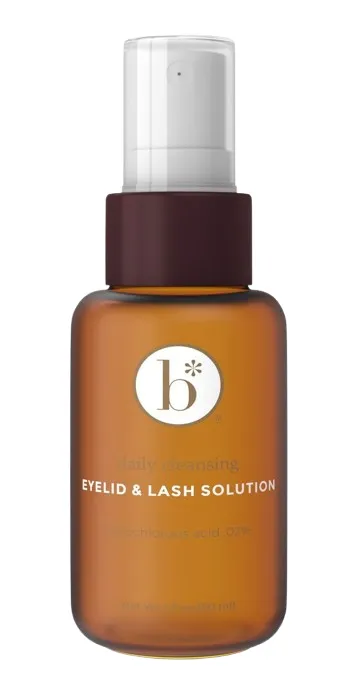

Blepharitis can leave your eyelids feeling irritated, gritty, itchy, or uncomfortable. One of the most important parts of managing blepharitis is maintaining consistent eyelid hygiene. A blepharitis eyelid cleanser can help remove buildup, debris, and other irritants from the eyelid and lash line while supporting a regular eye-care routine. For people with sensitive eyes, choosing a gentle cleanser is especially important. Hypochlorous acid (HOCl) is one option used in eyelid hygiene products, including Bloome’s Hypochlorous Acid Eyelid & Lash Solution, which is formulated to cleanse the eyelids and lashes.
Note: This article is for general information and does not replace advice from an eye-care professional. Persistent, painful, or worsening eye symptoms should be evaluated by an eye doctor.
What Is Blepharitis?
Blepharitis is inflammation of the eyelids, often affecting the area around the base of the eyelashes. It can be associated with crusting, redness, irritation, itching, burning, or a gritty feeling in the eyes. Blepharitis can be a recurring condition, which is why regular eyelid hygiene is often an important part of managing symptoms. The National Eye Institute recommends keeping the eyelids clean and removing crusts as part of daily care.
Common symptoms can include:
- Red or irritated eyelids
- Crusting around the eyelashes
- Itchy or burning eyes
- Gritty or sandy sensation
- Flaking around the lash line
- Watery or dry eyes
- Eyelids that feel stuck together when waking up
The symptoms and underlying causes can vary, so people with ongoing symptoms should speak with an eye-care professional.
Why Is Eyelid Cleansing Important for Blepharitis?
The eyelid margin can collect oil, dead skin cells, makeup residue, dust, and other debris. Regular, gentle cleansing helps keep the lash line clean and may help control symptoms associated with chronic blepharitis.
The American Academy of Ophthalmology's clinical guidance includes eyelid cleansing among the approaches used to manage blepharitis. It notes that gentle eyelid cleansing can help remove crusting and that hypochlorous-acid eye cleaners have been used for eyelid hygiene.
Eyelid hygiene is not necessarily a one-time treatment. Because blepharitis can recur, maintaining a consistent routine may be important for long-term symptom management.
How to Clean Your Eyelids When You Have Blepharitis
A gentle routine is generally preferable to aggressive scrubbing.
Step 1: Wash Your Hands
Always start by washing your hands thoroughly with soap and water. This helps prevent additional dirt or microorganisms from getting near the eye area.
Step 2: Loosen Any Crusting
If you have noticeable crusting around your lashes, a warm compress can help soften the buildup before cleansing. The National Eye Institute recommends holding a warm, clean cloth against closed eyelids for several minutes.
The compress should be comfortably warm rather than hot enough to burn the delicate skin around your eyes.
Step 3: Use a Gentle Eyelid Cleanser
Apply an eyelid cleanser according to its product directions. Avoid vigorous rubbing because the eyelid and surrounding skin are delicate.
A commercially formulated eyelid cleanser can be an alternative to homemade cleansing methods. The AAO notes that commercially available eyelid cleaners can be used as part of eyelid hygiene.
Step 4: Gently Clean the Lash Line
Focus on the area where the eyelashes meet the eyelid. Use gentle movements to remove visible debris or buildup.
Do not scrub aggressively or try to remove crusts by pulling at your eyelashes.
Step 5: Follow the Product Directions
Some eyelid cleansers are rinse-off products, while others are designed to remain on the skin. Follow the instructions provided with your specific product rather than assuming every cleanser should be used the same way.
What Is Hypochlorous Acid?
Hypochlorous acid (HOCl) is a compound produced naturally by the body's immune system. Low-concentration HOCl has been studied for use in eyelid hygiene because of its antimicrobial properties. Research reviews have reported that hypochlorous-acid-based eyelid cleansing can reduce bacterial accumulation and may improve certain symptoms associated with blepharitis.
The American Academy of Ophthalmology also recognizes hypochlorous acid as one type of eye cleanser used for eyelid hygiene.
However, it is important to distinguish eyelid cleansing and symptom management from curing blepharitis. Blepharitis can be chronic or recurrent, and some people may need additional treatment from an eye-care professional.
Bloome Eyelid & Lash Solution for Daily Eyelid Care
Bloome offers a Hypochlorous Acid Eyelid & Lash Solution formulated specifically for the delicate eye area. The current product page lists a 50 ml (1.7 oz) bottle and a formula containing water, sodium chloride, organic acetic acid, and hypochlorous acid.
The product is designed to help cleanse the eyelids and lash line of:
- Bacteria
- Dust
- Debris
- Makeup residue
It is also described by Bloome as unscented and pH-balanced for the delicate eye area.
For anyone considering a new eyelid-care product, it is still important to follow the product's directions and discuss persistent eye symptoms with an eye-care professional.

Blepharitis Eyelid Cleanser vs. Regular Face Cleanser
The skin around your eyes is more delicate than many other areas of the face. A regular facial cleanser may contain fragrances, exfoliating ingredients, or other components that are not intended for use around the eyes. An eyelid cleanser is specifically designed for the eyelids or lash line, depending on the product.
When choosing an eyelid cleanser, consider:
- Whether it is specifically formulated for the eye area
- Whether it is fragrance-free
- How it should be applied
- Whether it needs to be rinsed
- Whether it is suitable for your particular eye condition
- Whether your eye-care professional recommends it
How Often Should You Clean Your Eyelids?
The ideal routine depends on your symptoms and your eye-care professional's recommendations. For chronic blepharitis, consistent eyelid hygiene is commonly recommended rather than cleansing only when symptoms become noticeable. The AAO notes that regularly performed eyelid cleansing daily or several times per week can help manage symptoms of chronic blepharitis. If your eyelids become more irritated after using a product, stop using it and consult an eye-care professional.
Frequently Asked Questions
What is the best cleanser for blepharitis?
There is no single cleanser that is best for everyone. A gentle cleanser specifically formulated for eyelid hygiene may be appropriate, depending on the type and severity of your symptoms. Your eye-care professional can help you choose an option.
Can I use an eyelid cleanser every day?
Many eyelid cleansers are designed for regular use, but frequency depends on the specific product and your individual needs. Follow the product directions or your eye doctor's recommendations.
Does eyelid cleanser cure blepharitis?
Eyelid cleansing can help manage blepharitis symptoms and maintain eyelid hygiene, but blepharitis can be chronic or recurrent. Cleansing should not be considered a guaranteed cure.
Can I use regular face wash on my eyelids?
It is better to use products specifically intended for the eyelid area. Facial cleansers may contain ingredients that can irritate sensitive skin around the eyes.
Is hypochlorous acid used for eyelid hygiene?
Yes. Low-concentration hypochlorous acid has been studied and used as an eyelid-cleaning ingredient because of its antimicrobial properties.
Make Eyelid Hygiene Part of Your Daily Routine
Managing blepharitis often requires consistency. Gentle cleansing, warm compresses when appropriate, good makeup hygiene, and following professional advice can all be part of a regular eyelid-care routine.
If you're looking for a convenient option, Bloome Hypochlorous Acid Eyelid & Lash Solution is formulated for cleansing the eyelids and lash line and is available in a 50 ml (1.7 oz) bottle.
Shop Bloome's Eyelid & Lash Solution and make gentle eyelid care a simple part of your daily routine.

























Sign in to leave a comment.