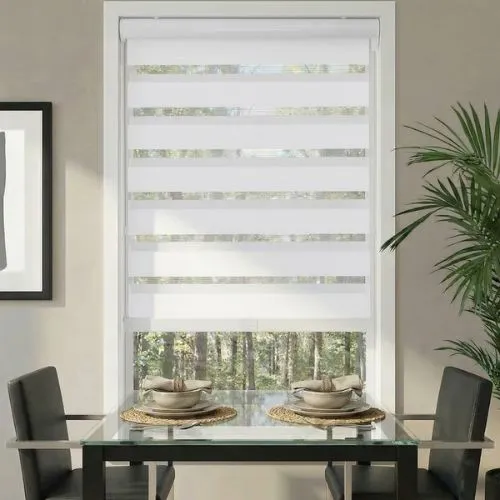

Learn how cordless blinds work, their key benefits, safety advantages, popular styles, operation tips, and how to choose the right option for each room.
Window coverings should make a room more private, comfortable, and easy to use. Traditional blinds often use hanging pull cords, which can look messy and may create safety concerns in homes with young children. Modern blinds cordless designs remove the need for an exposed lift cord while keeping everyday operation simple.
Cordless blinds usually move when you gently push the bottom rail upward or pull it downward. An internal lift system helps hold the blind at the height you choose. Blindster also notes that cordless window treatments can create a cleaner look and reduce risks linked to dangling cords.
For bedrooms, living rooms, nurseries, offices, and other commonly used spaces, blinds cordless options can provide a practical mix of privacy, light control, style, and simple operation.
How Blinds Cordless Systems Work
A common question is how a blind can move without the pull string seen on older window treatments. Most blinds cordless systems use an internal tension, spring, clutch, or similar lift mechanism hidden inside the window covering.
When you pull the bottom rail down, the internal mechanism allows the blind or shade to lower. When you gently push upward, the system helps raise the covering. Once your hands stop moving, the mechanism holds the window treatment at the chosen position.
Cordless does not always mean that absolutely no cords exist inside the product. Some blinds still use concealed internal cords to keep slats or fabric sections balanced. The main difference is that accessible hanging lift cords are removed from everyday operation.
That simple design makes blinds cordless choices useful for people who want less visual clutter around their windows.
Benefits of Blinds Cordless Window Treatments
The main benefits go beyond appearance. Choosing blinds cordless window coverings can improve both everyday use and window safety.
- Cleaner appearance: Removing a hanging pull cord gives the window a neater, less cluttered finish.
- Simple operation: Most designs can be raised or lowered by moving the bottom rail.
- Better child safety: The U.S. Consumer Product Safety Commission recommends cordless window coverings where young children are present because accessible window-covering cords can create a strangulation hazard.
- Easy light control: Raise the blind for more daylight or lower it for privacy and glare control.
- Many style choices: Cordless operation is available with several blind and shade designs.
These benefits make blinds cordless products suitable for family homes as well as spaces where a simple window treatment is preferred.
Choosing the Right Blinds Cordless Style
The best window covering depends on how much privacy, insulation, moisture resistance, and light control a room needs.
Cellular shades are useful when insulation matters because their honeycomb construction creates pockets that can help limit heat transfer. Blackout cordless shades work well in bedrooms when reducing outside light is important. Faux wood blinds can suit kitchens or bathrooms because the material can handle moisture better than natural wood in many applications.
Roman shades offer a softer fabric look, while bamboo shades create a more natural finish. Blindster lists cordless Roman shades, faux wood blinds, cellular shades, bamboo shades, blackout shades, and wood shades among common options.
When comparing blinds cordless styles, think about the room first rather than choosing only by appearance.
When Blinds Cordless May Not Be Ideal
Cordless operation works best when you can comfortably reach the bottom rail. Very tall windows or windows located behind deep furniture can be harder to operate because you need physical access to the covering.
Blindster specifically notes that tall or obstructed windows may not be ideal for standard cordless window treatments because the user must reach the shade to lift it.
Measure the window carefully and think about daily access before ordering blinds cordless coverings.
Frequently Asked Questions
How do cordless blinds work?
Cordless blinds normally use a hidden spring or tension mechanism. You push the bottom rail upward to raise the covering and pull it downward to lower it.
Are cordless blinds worth it?
Yes, blinds cordless designs can be worthwhile when you want easy operation, cleaner-looking windows, and fewer accessible cords around children.
Are cordless blinds safer for children?
Cordless window coverings remove accessible lift cords, which helps eliminate the strangulation hazard associated with those cords. The CPSC recommends cordless window coverings in homes where young children are present.
What are the disadvantages of cordless blinds?
The main limitation is reach. A cordless blind can be inconvenient on very tall windows or windows blocked by furniture because you need access to the bottom rail.
Why won't my cordless blinds go up?
The internal lift mechanism may need to reset or may have lost tension. Try operating the blind gently and evenly. Avoid forcing the rail if the blind remains stuck.
What types of cordless blinds are available?
Common blinds cordless choices include faux wood blinds, cellular shades, Roman shades, bamboo shades, wood shades, and blackout shades.
Conclusion: Are Blinds Cordless Right for Your Home?
For most easy-to-reach windows, blinds cordless designs offer a simple way to control privacy and daylight without hanging lift cords. They can make windows look cleaner, make daily adjustment straightforward, and provide an important safety advantage in homes where children live or visit.
Choose the style based on your room, window height, light needs, moisture level, privacy requirements, and desired appearance. When the window is easy to reach and measured correctly, blinds cordless window treatments can provide a practical and attractive solution for everyday use.



























Sign in to leave a comment.