

Losing weight is often associated with diet, exercise, and lifestyle changes. However, if you are struggling to lose weight despite making consistent efforts, certain underlying health factors may be worth investigating. A blood test for weight loss can help identify nutritional deficiencies, hormonal imbalances, metabolic concerns, and other factors that may influence weight management.
Why Consider a Blood Test for Weight Loss?
Weight gain or difficulty losing weight can have several possible causes. Blood testing can provide useful information about your overall health and help a healthcare professional determine whether an underlying issue could be affecting your weight.
Depending on your symptoms and medical history, a doctor may recommend tests that assess:
- Thyroid function
- Blood glucose and HbA1c
- Cholesterol and lipid levels
- Liver and kidney function
- Iron and ferritin levels
- Vitamin B12 and vitamin D
- Hormonal health
- General nutritional status
Important Blood Tests for Weight Management
1. Thyroid Function Test
Thyroid hormones influence metabolism. An underactive thyroid can be associated with symptoms such as tiredness, weight gain, and difficulty losing weight. Tests such as TSH and free T4 may be recommended when thyroid problems are suspected.
2. Blood Glucose and HbA1c
Blood glucose testing can help assess how your body manages sugar. An HbA1c test provides an indication of average blood glucose levels over the previous few months and can help identify prediabetes or diabetes.
3. Lipid Profile
A lipid profile measures cholesterol and triglycerides. Although it does not directly explain weight gain, it can provide valuable information about metabolic and cardiovascular health.
4. Liver Function Tests
The liver plays an important role in metabolism. Liver function testing may be recommended as part of a broader health assessment, particularly when someone has risk factors associated with metabolic health.
5. Vitamin and Mineral Tests
Deficiencies in nutrients such as vitamin B12, vitamin D, and iron can contribute to fatigue and reduced energy. Testing can help determine whether a deficiency needs to be addressed alongside lifestyle changes.
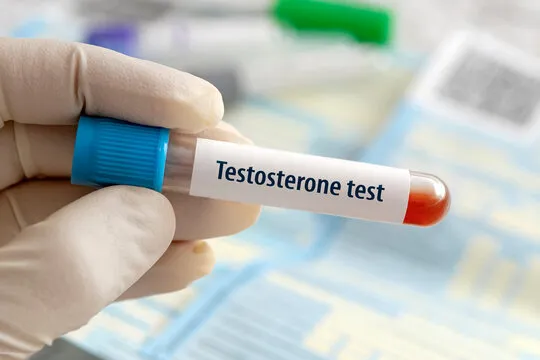
6. Hormone Testing
Hormonal testing may be appropriate when symptoms suggest a specific hormonal condition. The tests needed vary depending on factors such as age, sex, symptoms, and medical history.
Can a Blood Test Tell You Why You Are Not Losing Weight?
A blood test cannot identify every reason for weight gain or difficulty losing weight. Weight management is influenced by diet, physical activity, sleep, stress, medications, genetics, medical conditions, and other lifestyle factors.
However, appropriate testing can help rule out or identify certain health conditions and nutritional deficiencies. Your healthcare professional can recommend tests based on your individual circumstances rather than ordering every possible test.
When Should You Consider Testing?
Consider discussing blood testing with a healthcare professional if you have unexplained weight gain, persistent fatigue, changes in appetite, irregular periods, excessive thirst, or difficulty losing weight despite consistent lifestyle changes.
Testing can be particularly useful when weight changes occur alongside other symptoms that may indicate an underlying health concern.
Conclusion
A blood test for weight loss can be a useful part of understanding your overall health, particularly when weight management is difficult despite healthy lifestyle efforts. Tests for thyroid function, blood sugar, cholesterol, vitamins, minerals, and other relevant markers may help identify factors that require attention. Blood tests should be interpreted alongside your symptoms, medical history, diet, activity levels, and other lifestyle factors. Speak with a qualified healthcare professional to determine which tests are appropriate for you.

























Sign in to leave a comment.