
Ask ten parents what they think of a boarding school in India and you will probably hear ten different opinions. Some picture a warm, lively community where children grow up confident. Others picture a cold dormitory, a homesick child and a family that feels guilty for years.
Most of those pictures come from stories, films and things a relative once said. Very few come from actually visiting a campus and talking to the people who run it.
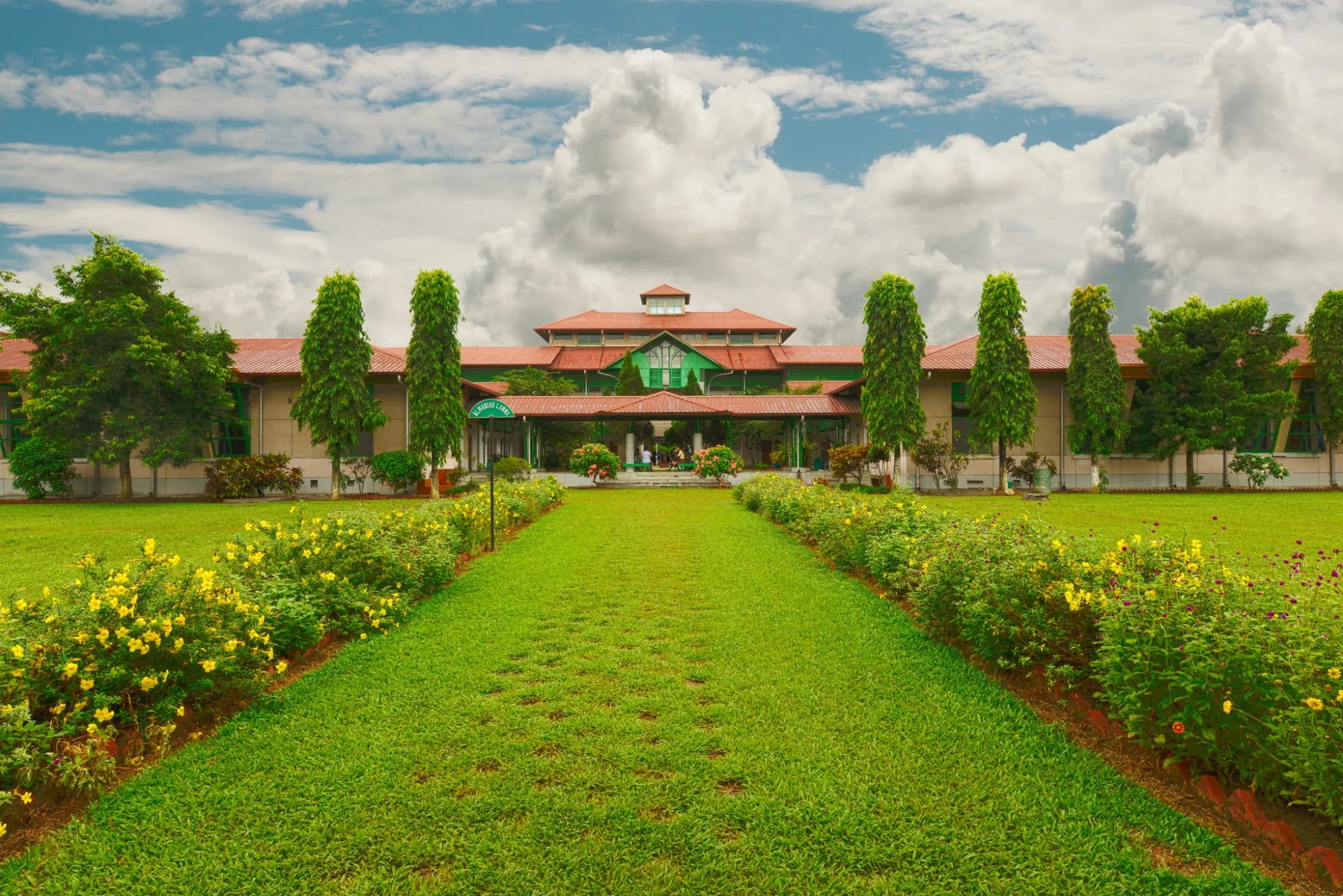
This guide takes the seven most common worries parents bring to us and checks each one against how residential life really works. We write from the perspective of Assam Valley School, a CISCE (ICSE/ISC) school at Balipara in Sonitpur district, near Tezpur, Assam. Where we mention specifics, they are about our own campus. Where we speak generally, we say so.
Quick answers for busy parents
- Is boarding school bad for children? No, not when the school has strong pastoral care, trained staff and open communication with families. The quality of the school matters far more than the label “boarding”.
- Do children get homesick? Many do in the first weeks. With the right support, most settle within a term and start enjoying school life.
- Is it safe? A good residential school builds safety into its structure: supervised houses, trained house staff, counsellors and clear rules for visitors and leave.
- What should you look for? Pastoral systems, academic results, activity depth, communication with parents and a campus culture you feel comfortable with.
Why Choosing a Boarding School in India Feels Like a Big Decision
It is a big decision, and it should feel that way. You are not just choosing classrooms. You are choosing who your child wakes up with, who notices when they are quiet at dinner, and who they turn to on a bad day.
That is exactly why myths do so much damage. When a decision is emotional, a half-remembered story can outweigh a page of facts. So let us go through them one by one.
Myth 1: “Sending a child to boarding school means sending them away”
The fact: Good boarding schools do not replace parents. They add a second layer of support around the child.
The worry behind this myth is love and guilt, and it deserves a respectful answer. Children do not stop belonging to their families because they live on campus. Regular calls, scheduled visits, holidays at home and open lines to the house staff keep the family bond active.
At Assam Valley School, the pastoral care structure exists precisely so that a child never feels handed over and forgotten. Parents hear from the school, not just when something goes wrong, but also when something goes well.
A useful question to ask any school: “How often will I hear from my child’s house staff, and who do I call if I am worried at 10 pm?” The answer tells you a lot.
Myth 2: “Homesickness never really goes away”
The fact: Homesickness is common, expected and usually temporary.
Almost every child feels it in some form. A new bed, new faces, a different routine: it is a lot at once. What matters is how the school responds.
Here is what tends to help children settle:
- A predictable daily routine, so the days feel familiar quickly
- A house community with older students who remember their own first weeks
- Easy access to a trusted adult, including a school counsellor for children who need a quieter conversation
- Busy, enjoyable afternoons, so there is less empty time to miss home
Most children find their feet within the first term. Some need longer, and that is fine. The sign of a good school is not that homesickness never appears. It is that adults notice it early and respond kindly.
Myth 3: “Boarding schools are only for children who struggle at home”
The fact: Families choose a residential school for many reasons, and most of them are positive.
Some parents travel for work. Some live in towns where options for a broad education are limited. Many simply want their child to grow up in an environment where studies, sport, arts and character building all share the same day.
Across India, families look for the best boarding school in India for their child because they want more than exam preparation. They want a setting where a child learns to manage time, share space, disagree politely and recover from a bad match or a poor test result without a parent stepping in every time.
None of that has anything to do with a child being difficult. If anything, it is for children who are ready to grow.
Myth 4: “Children get less academic attention in a boarding school”
The fact: Residential life can give students more structure for study, not less.
In a day school, learning often ends at the school gate and competes with traffic, screens and family schedules at home. In a residential setting, the school can build supervised study periods, teacher access and academic support into the evening.
Assam Valley School follows the CISCE curriculum, leading to ICSE and ISC examinations. Teachers are on campus, and many students find it easier to ask for help when their teachers are part of the daily rhythm rather than people they meet for forty minutes at a time.
When you compare schools, ask about:
- Supervised prep or study hours and who runs them
- How the school tracks a student who is slipping
- How subject teachers and house staff share information
- What support exists for students who need extra help or extra challenge
A top boarding school in India should be able to answer these without hesitation.
Myth 5: “Children are less safe away from home”
The fact: Safety in a well-run school is designed, not assumed.
This is the question we respect most, and we never answer it with a slogan. Safety is made of many small, boring, important things: where houses are located, who supervises them, how visitors are handled, how a child can raise a concern, and what the adults are trained to notice.
At our school, students live in boys’ houses and girls’ houses under the care of house staff who know them individually. Older students take on responsibility through the prefect council, but adults remain accountable.
When you visit any school, trust your observations as well as the brochure:
- Do children seem at ease around staff?
- Can you speak to current students and parents?
- Is there a clear, written way for a child to report a problem?
- Are visiting and leave rules explained plainly?
A school that welcomes these questions is usually a school that takes safety seriously.
Myth 6: “Boarding school is all rules and no fun”
The fact: Routine and enjoyment sit together more comfortably than people expect.
Structure does not mean a joyless day. For many students, it is the reverse. When the timetable is clear, there is room for the things children actually remember: a late-afternoon game, a house event, a trek, a quiet evening with friends.
Beyond classrooms, students at Assam Valley School take part in activities such as the Round Square programme, the International Award for Young People, outdoor learning through Edutrex and riding at the riding school.
These are not extras added for a prospectus. They are where children test themselves, discover what they enjoy and build the confidence that later shows up in interviews, college applications and ordinary life.
If you want the longer picture of why this kind of growth matters, our guide to a place for adventure and growth goes deeper.
Myth 7: “A remote campus means isolation”
The fact: Location shapes the experience, and a green, open setting can be an advantage.
Balipara sits in Sonitpur district, close to Tezpur, surrounded by the tea-growing landscape of Assam. The school opened in 1995 on land associated with the Harchurah Tea Estate and is supported by the Williamson Magor Education Trust.
For children, that setting means space: to run, ride, play, walk and think. It also means fewer of the everyday distractions that fill a city child’s evening. Students are not cut off from the wider world, though. Educational tours, exchange-style programmes through Round Square and visiting speakers keep the outside world within reach.
When you evaluate a campus, ask yourself two things. How easily can I reach my child in an emergency? And does the setting help my child be active, curious and calm? A good answer to both is worth more than a famous address.
How to tell a good school from a polished brochure
Myths are easy to believe because marketing often leans on emotion too. So here is a practical checklist you can use with any residential school, ours included.
- Visit in person if you can. Walk through the houses, the dining hall and the sports areas, not just the admission office.
- Talk to students and parents. Ask what they wish they had known before joining.
- Ask about pastoral systems. Who looks after a child’s wellbeing, and how are they trained?
- Look at the full day. Academics, sport, arts, service and downtime should all have real space.
- Check communication. How often will you hear from the school, and through which channel?
- Understand the costs. Read the fee structure carefully and ask what is and is not included.
- Read the admissions steps. Know the process, timelines and eligibility before you apply, for example on the admissions page for Classes 4 to 9.
No single factor decides which school is the best boarding school in India for your family. The right school is the one where your child is known, challenged and cared for, and where you feel comfortable asking hard questions.
Is your child ready for boarding school?
Readiness is less about age and more about temperament and preparation. A child is often ready when they:
- Can manage basic personal routines with a little guidance
- Have spent a night or two away from home without major distress
- Show curiosity about the school and some say in the decision
- Have talked openly with you about what to expect
Involve your child early. Children who feel they were part of the decision usually adjust better than those who feel it was done to them.
If you are unsure, a campus visit and a conversation with the admissions team can help. Our admissions FAQ covers many of the questions parents ask first.
Frequently asked questions
What is the right age to start boarding school in India?
There is no single right age. Many families begin in the middle school years, and others join later for senior secondary. What matters most is the child’s readiness and the school’s pastoral support at that stage.
How do I know if a school is among the top boarding schools in India?
Look beyond rankings. Check academic results, pastoral care, activity depth, staff stability, safety practices and the experiences of current families. A top school in India should be transparent about all of these.
Can my child speak to me regularly while at boarding school?
Most residential schools have scheduled call times and visiting days. Ask for the specific policy so you know what to expect before you decide.
What curriculum does Assam Valley School follow?
The school follows the CISCE curriculum, with students taking the ICSE and ISC examinations.
Where is Assam Valley School located?
It is at Balipara in Sonitpur district, near Tezpur, Assam.
Final thoughts
A boarding school in India is not right for every child or every family, and anyone who tells you otherwise is selling something. But the fears most parents carry into the decision are often bigger than the reality, especially when the school is thoughtful about care, communication and character.
Take your time. Visit. Ask direct questions. Listen to your child. If you would like to see life at Assam Valley School for yourself, our admissions team will be glad to welcome you and answer anything on your mind.


















Sign in to leave a comment.