Boarding School in India – A Complete Guide for Parents Introduction

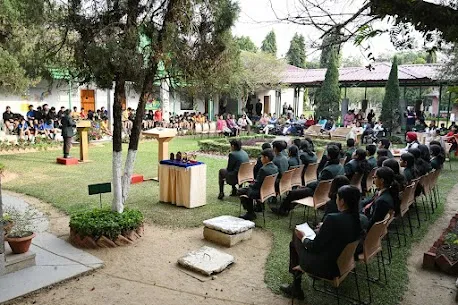
Choosing the right school is one of the most important decisions parents make for their children. Education shapes not only academic knowledge but also confidence, communication skills, discipline, and the ability to handle everyday responsibilities. While day schools provide education during regular school hours, residential schools offer an environment where learning and personal development continue beyond the classroom.
Many families explore residential education because they want their children to experience a structured routine, participate in extracurricular activities, develop friendships, and learn to become more independent. However, every school has its own educational philosophy, academic programme, residential facilities, and approach to student wellbeing.
Before making a decision, parents should understand how residential education works, what facilities are available, and which factors influence a child's experience. This guide explains the essential considerations that can help families evaluate schools and identify an educational environment that supports their child's academic and personal growth.
What Is a Boarding School?
A boarding school is an educational institution where students attend classes and live on campus during the school term. Along with classroom instruction, students generally follow an organised routine that includes study periods, meals, recreational activities, and residential supervision.
This arrangement creates opportunities for students to learn both inside and outside the classroom. Living with other students can help them practise communication, cooperation, time management, and responsibility.
How Does Residential Education Work?
Residential schools combine academic learning with supervised campus life. Students attend lessons according to their timetable and participate in other activities organised by the school. Depending on the institution, the schedule may include supervised preparation time, sports, creative programmes, and other co-curricular opportunities.
Boarding arrangements differ between schools. Parents should check accommodation facilities, residential staff availability, healthcare provisions, student supervision, and communication policies before admission.
Difference Between Boarding Schools and Day Schools
In a day school, students generally attend classes and return home after the school day. Their families manage most evening routines, including homework, recreation, and other daily responsibilities.
In a boarding school, students live on campus and follow the institution's residential schedule. This can provide more opportunities for independence and participation in school activities outside classroom hours. However, it also requires children to adjust to living away from their families.
Neither option is automatically better for every child. The right choice depends on the child's personality, educational requirements, family circumstances, and comfort with the proposed arrangement.
Why Do Parents Consider Residential Education?
Parents consider residential schooling for different reasons. Some value the structured learning environment, while others are interested in opportunities for sports, creative development, and personal responsibility.
A Structured Academic Routine
A consistent timetable can help students organise their academic responsibilities. Scheduled study periods may give them time to revise lessons, prepare assignments, and seek clarification from teachers when necessary.
Students can gradually learn to manage their workload and plan ahead for examinations. These habits can be useful as academic expectations increase in higher grades.
Opportunities Beyond the Classroom
Education includes more than academic lessons. Sports, music, drama, debate, art, and other activities provide opportunities for students to explore interests and develop practical skills.
Participation in these activities can encourage creativity, cooperation, perseverance, and confidence. Parents should review the actual programmes offered by each school and understand how students can participate.
Developing Independence and Responsibility
Living on campus gives students opportunities to practise everyday responsibilities within a supervised environment. Organising personal belongings, following schedules, respecting shared spaces, and managing study time can help them become more responsible.
The adjustment takes time, particularly for younger children or students who have never lived away from home. Supportive residential staff and regular communication with families are important during this transition.
Boarding School in India: What Should Parents Consider?
When researching a Boarding School in India, parents should evaluate the complete educational experience rather than relying on reputation or promotional claims alone. Academic quality, residential care, campus facilities, safety, and opportunities for personal development all deserve careful attention.
The first step is to understand the school's curriculum and teaching approach. Parents should check the educational board, grade levels, assessment methods, and additional academic support available to students.
The second step is to examine the residential environment. Ask about accommodation, meals, healthcare, supervision, recreational spaces, and arrangements for communicating with family members.
It is equally important to understand the school's approach to student wellbeing. A supportive institution should have clear policies for addressing bullying, responding to health concerns, and helping students adjust to residential life.
Finally, consider the child's individual needs. A school may offer excellent facilities but still be unsuitable if its environment, schedule, or educational approach does not match the student's interests and personality.
Important Facilities in a Boarding School
Classrooms, Laboratories, and Libraries
Well-maintained classrooms and suitable learning resources contribute to effective teaching. Science laboratories can support practical learning, while libraries give students opportunities to read, conduct research, and explore subjects independently.
Parents should ask how frequently students use these resources and whether facilities are appropriate for their grade levels.
Hostel Accommodation and Residential Care
Residential facilities are an important part of a boarding school. Parents should understand room arrangements, sanitation, supervision, access to common areas, and the availability of staff who can assist students.
They should also ask how the school manages homesickness, roommate disagreements, and other adjustment challenges.
Sports and Extracurricular Facilities
Sports grounds, indoor activity areas, music rooms, and creative spaces can help students maintain a balanced routine. Participation in activities can encourage teamwork and provide opportunities to discover personal interests.
The availability of particular sports or programmes varies by institution, so families should confirm details directly with the school.
Healthcare, Meals, and Safety
Parents should enquire about medical assistance, emergency procedures, meal arrangements, drinking water, hygiene, and student protection policies.
Clear procedures for campus access, supervision, and reporting concerns can help families understand how the school safeguards students.
Understanding Fees and Admission Requirements
Boarding school fees vary according to the institution, curriculum, grade, facilities, location, and residential arrangements. Parents should request a detailed fee schedule instead of relying on estimates that may not reflect the school's actual charges.
Additional expenses may include uniforms, books, transportation, activities, equipment, and other school-related requirements. Ask which costs are included in the published fees and whether deposits or other charges apply.
Admission requirements also differ. Some schools may require entrance assessments, interviews, previous academic records, or other documents. Families should check application deadlines and eligibility criteria on the school's official website.
Exploring Residential Education at The Assam Valley School
The Assam Valley School, located in Balipara, Assam, is a residential educational institution that families can explore when researching campus-based education.
Parents interested in the school should review its official information about academic programmes, residential facilities, student activities, admissions, and the support available to students. A campus visit can also help families understand the learning environment and daily routines.
When comparing institutions, it is important to distinguish residential schooling from day boarding. At a residential school, students live on campus rather than returning home after an extended school day.
Families should consider whether this arrangement suits their child's readiness, educational goals, and personal needs.
How to Choose the Right School
Parents can make a more informed decision by following a consistent evaluation process.
First, identify the child's academic needs, interests, and preferred learning environment. Then compare schools according to curriculum, teaching quality, extracurricular opportunities, and residential care.
Next, review the fee structure and admission requirements. Visit shortlisted campuses, speak with school representatives, and ask questions about student safety, healthcare, communication with parents, and the daily timetable.
Finally, involve the child in age-appropriate discussions about the decision. Understanding their feelings about living away from home can help families prepare for the transition.
Conclusion
Selecting the right school requires careful consideration of academics, residential facilities, student safety, extracurricular opportunities, fees, and emotional wellbeing. Parents researching a Boarding School in India should compare institutions thoroughly and confirm that their educational approach matches their child's needs.
The Assam Valley School offers a residential education option in Assam for families exploring campus-based learning. By reviewing official information, visiting schools, and considering a child's readiness for residential life, parents can make a thoughtful decision that supports academic progress, independence, and long-term personal development.





Sign in to leave a comment.