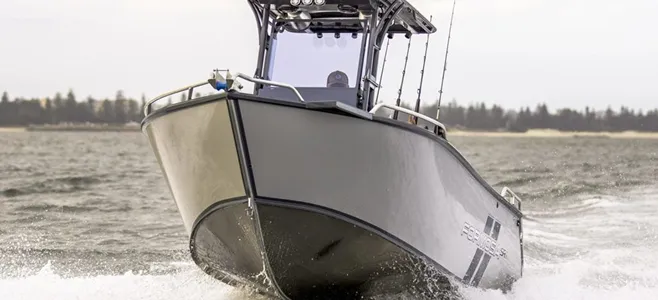

Buying a boat is a significant investment, whether you are looking for a family cruiser, fishing boat, trailer boat or vessel for coastal adventures. While a boat may look excellent in photographs, a thorough inspection is essential before you make an offer. Mechanical problems, structural damage and neglected maintenance can turn an attractive purchase into an expensive project.
A practical boat buying checklist helps you assess the vessel systematically and identify potential issues before completing the purchase. From the hull and engine to electrical systems, documentation and safety equipment, here is what to inspect before buying a boat.
1. Inspect the Hull and Structure
The hull is one of the most important areas to inspect because structural problems can be expensive to repair.
Walk around the entire boat and look for:
- Cracks, dents or visible damage
- Signs of previous repairs
- Blisters or bubbling on fibreglass surfaces
- Corrosion on metal components
- Damaged or loose fittings
- Water stains or unusual discolouration
- Separation around joins and seams
For a fibreglass boat, pay particular attention to areas around fittings, through-hull openings and previous repair locations. On aluminium boats, check for corrosion, damaged welds and signs of impact.
If you are purchasing a used boat, consider arranging an independent marine survey or professional inspection, particularly for a larger or higher-value vessel.
2. Check the Engine and Mechanical Systems
The engine is another major component that should never be overlooked. Engine repairs and replacement can represent a substantial part of your ownership costs.
Ask the seller for the engine's service history and check:
- Engine age
- Engine hours
- Service intervals
- Oil and filter changes
- Cooling system maintenance
- Belts and hoses
- Fuel system
- Battery condition
- Signs of oil or fuel leaks
- Corrosion
- Unusual noises or vibrations
If possible, arrange a sea trial rather than relying only on an engine starting on the trailer or at the dock. A sea trial allows you to observe acceleration, steering, engine temperature, vibration and overall performance under operating conditions.
A marine mechanic can also carry out a more detailed mechanical inspection before you commit to buying.
3. Examine the Propeller, Shaft and Drive System
For boats with an inboard engine, inspect the propeller, shaft, shaft seal, rudder and associated components. Look for corrosion, bends, damage and signs of excessive wear.
For outboard-powered boats, inspect the propeller and lower unit for damage. Check the engine mounting area and transom carefully because damage or weakness in the transom can create serious problems.
Ask whether the propeller has previously been repaired or replaced and whether the boat has experienced a grounding or collision.
4. Test the Electrical System
Modern boats rely on electrical systems for navigation, communication, lighting, pumps and entertainment.
During your inspection, test as many electrical components as possible, including:
- Navigation lights
- Cabin lights
- Bilge pumps
- Battery systems
- Battery charger
- Horn
- VHF radio
- GPS and chartplotter
- Fish finder
- Instrument displays
- Electrical outlets
Check the battery terminals and wiring for corrosion, loose connections or signs of poor installation. Older electrical equipment may also need replacement, so consider its age when calculate the total cost of the boat.
5. Inspect the Fuel and Plumbing Systems
Fuel and plumbing systems deserve close attention, particularly on older boats.
Inspect fuel tanks, fuel lines and connections for leaks, corrosion or deterioration. Check whether hoses appear cracked or brittle.
If the boat has freshwater or wastewater systems, inspect:
- Water tanks
- Pumps
- Hoses
- Taps
- Toilets
- Shower systems
- Waste holding tanks
Strong odours, damp areas or unexplained water accumulation can indicate plumbing problems.
6. Check the Interior and Accommodation
If you are buying a cabin boat or family cruiser, inspect the interior carefully.
Look for signs of:
- Water ingress
- Mould
- Dampness
- Rot
- Damaged upholstery
- Cracked flooring
- Staining around windows and hatches
- Damaged cupboards or doors
Open storage compartments and inspect areas that are not immediately visible. Water damage can sometimes be hidden behind wall panels, under mattresses or inside cupboards.
If the boat is intended for overnight trips, check that the sleeping areas, ventilation, storage and onboard facilities meet your requirements.
7. Inspect the Deck, Windows and Fittings
Walk carefully around the deck and check for soft spots, movement or damaged surfaces. A soft section of deck can indicate water intrusion or structural deterioration underneath.
Inspect:
- Handrails
- Cleats
- Bow rails
- Deck hatches
- Windows
- Windscreen
- Boarding ladders
- Anchoring equipment
- Deck hardware
Make sure fittings are secure and that hatches open, close and seal correctly.
8. Review Safety Equipment
Safety equipment should be part of every boat inspection checklist.
Depending on the boat and its intended use, check the condition and expiry dates of relevant equipment, including:
- Life jackets
- Flares
- Fire extinguishers
- Bilge pumps
- Emergency communication equipment
- Navigation lights
- Anchors and anchor lines
- First-aid equipment
- Emergency signalling equipment
Australian boating safety requirements can vary depending on the state, vessel and operating conditions. Before using the boat, check the current requirements that apply to your intended boating activities.
9. Check the Trailer
If the boat is being sold with a trailer, the trailer should be inspected separately.
Check the:
- Frame
- Wheels and tyres
- Bearings
- Brakes
- Winch
- Rollers or bunks
- Coupling
- Lights
- Safety chains
- Registration requirements
Look for rust, corrosion, cracks and uneven tyre wear. Trailer repairs can add unexpected costs, particularly if the boat has been stored or transported regularly.
10. Review Registration and Ownership Documents
Before purchasing a used boat, verify its documentation.
Ask for relevant registration and ownership information and make sure the identifying details correspond with the vessel and engine. Request service invoices, manuals and receipts for major repairs or upgrades where available.
You should also ask whether the boat has been involved in any significant accident, grounding, insurance claim or structural repair.
If you are buying through a dealer, ask what documentation is provided as part of the sale and whether any warranty or after-sales support applies.
11. Take the Boat for a Sea Trial
A sea trial is one of the most useful steps in the boat buying process.
During the trial, pay attention to:
- Engine starting
- Acceleration
- Steering response
- Engine temperature
- Vibration
- Unusual sounds
- Fuel system performance
- Electronics
- Bilge operation
- Stability
- Handling at different speeds
Use the sea trial to assess whether the boat actually performs as expected rather than simply checking whether it looks good at the dock.
12. Calculate the Total Cost of Ownership
The purchase price is not the only expense to consider.
Your ongoing costs may include:
- Registration
- Insurance
- Fuel
- Servicing
- Repairs
- Marina or storage fees
- Antifouling
- Cleaning
- Safety equipment
- Trailer maintenance
- Replacement electronics
When comparing boats for sale in Victoria, consider the vessel's condition and likely maintenance requirements alongside its advertised price.
Boat Buying Checklist: Quick Summary
Before purchasing a boat, make sure you have checked:
- ☐ Hull and structural condition
- ☐ Engine and mechanical systems
- ☐ Propeller and drive system
- ☐ Electrical equipment
- ☐ Fuel and plumbing systems
- ☐ Interior and accommodation
- ☐ Deck and fittings
- ☐ Safety equipment
- ☐ Trailer, if included
- ☐ Registration and ownership documents
- ☐ Service and maintenance history
- ☐ Sea trial
- ☐ Insurance and ongoing ownership costs
- ☐ Independent marine inspection
Make an Informed Boat Purchase
A boat can be an excellent investment in your leisure time, but rushing into a purchase can result in unexpected repair and maintenance costs. A detailed boat buying checklist allows you to assess the vessel's condition, performance, documentation and long-term ownership requirements.
If you are searching for boats for sale in Melbourne, take the time to compare different vessels and inspect each one carefully. For a significant purchase, consider getting an independent marine surveyor or qualified marine mechanic involved before finalising the sale.
Whether you are buying a boat for fishing, family cruising or coastal adventures, a careful inspection can help you understand exactly what you are buying and make the transition to boat ownership much smoother.


























Sign in to leave a comment.