BPC 157 Research Quality Understanding Peptide Identity and Lab Testing

What Determines the Quality of a Research Peptide?
Evaluating a research peptide requires more than reading a product label. Chemical identity, analytical testing, batch documentation, and the reliability of published information all contribute to a clearer understanding of a material. These factors are particularly important when reviewing scientific compounds such as bpc 157.
Product descriptions can provide useful background, but they do not independently verify a sample’s composition or purity. Reliable assessments depend on transparent documentation and appropriately conducted laboratory analysis. Readers should also distinguish between a supplier’s statements and findings supported by independent evidence.
Chemical Identity and the Importance of Accurate Documentation
bpc 157 is a synthetic peptide studied primarily in preclinical research. Its reported chemical characteristics help researchers understand the material being investigated, but reference data alone cannot confirm the identity of a particular sample.
What Should a Peptide Record Include?
Useful documentation may include the compound name, batch identification, stated quantity, analytical methods, and relevant chemical information. These details help readers connect a description with the laboratory results associated with a specific sample.
Why Batch Information Matters
A batch or lot number helps link analytical documentation to the material it describes. If the number on a report does not match the relevant product record, the report may not provide evidence about that particular batch. Traceability is therefore an important part of reviewing laboratory claims.
Understanding the Main Laboratory Testing Methods
Different analytical techniques answer different questions. Reviewing them together can provide a more complete picture than relying on a single reported result.
High-Performance Liquid Chromatography
High-performance liquid chromatography (HPLC) separates components within a sample. Laboratories may use the resulting chromatogram to calculate a reported purity value based on the detected peaks and the method used.
However, chromatographic purity is not necessarily equivalent to the percentage of the intended peptide by total sample weight. Results depend on the method, detector response, sample preparation, and reporting calculations. A percentage should therefore be interpreted alongside the underlying test information.
Mass Spectrometry and Molecular Identification
Mass spectrometry measures mass to charge ratios and can help determine whether a detected component is consistent with an expected molecular mass. The interpretation depends on the instrument, analytical approach, and quality of the available data.
HPLC and mass spectrometry serve complementary purposes. One helps separate components, while the other provides mass-related evidence. Neither method, by itself, proves that a material is safe or effective for human use.
How to Review a Certificate of Analysis
A certificate of analysis (CoA) summarises test results for a stated material or batch. Its value depends on whether the document is complete, traceable, and sufficiently detailed to interpret.
Key Details to Check
When reading a laboratory report, look for:
- The sample name and batch or lot number.
- The analytical methods used.
- Results, units, and relevant acceptance criteria.
- The testing date and laboratory identification.
- Any limitations or explanations accompanying the results.
Warning Signs in Laboratory Reports
Be cautious when a report has no clear batch reference, omits the testing method, or displays a purity percentage without explaining what it represents. A laboratory name or logo alone does not establish the authenticity of a report. Where possible, check the laboratory’s credentials and confirm whether the document can be independently verified.
For a more detailed explanation of chromatograms, mass-spectrometry results, and batch matching, readers can consult a dedicated guide to the bpc 157 certificate of analysis.
Research Findings Must Be Interpreted Carefully
Laboratory documentation and scientific evidence address different questions. An analytical report may provide information about a sample’s measured characteristics, but it cannot demonstrate a medical benefit or establish clinical safety.
From Preclinical Studies to Human Evidence
Cell-based and animal studies can help researchers investigate biological processes. Their findings do not automatically predict what will happen in humans. Claims about effectiveness require suitable clinical evidence, and regulatory status must be considered separately.
The US Food and Drug Administration has raised concerns about the limited safety information available for buy bpc 157 and issues that may affect compounded peptide products. Regulatory requirements differ by jurisdiction, so claims about legal status should be checked against current official guidance.
Building a More Reliable Research Information Resource
A useful research website should separate established chemical information from preliminary findings and unverified claims. It should explain analytical limitations, cite appropriate scientific sources, and avoid presenting experimental observations as proven health outcomes.
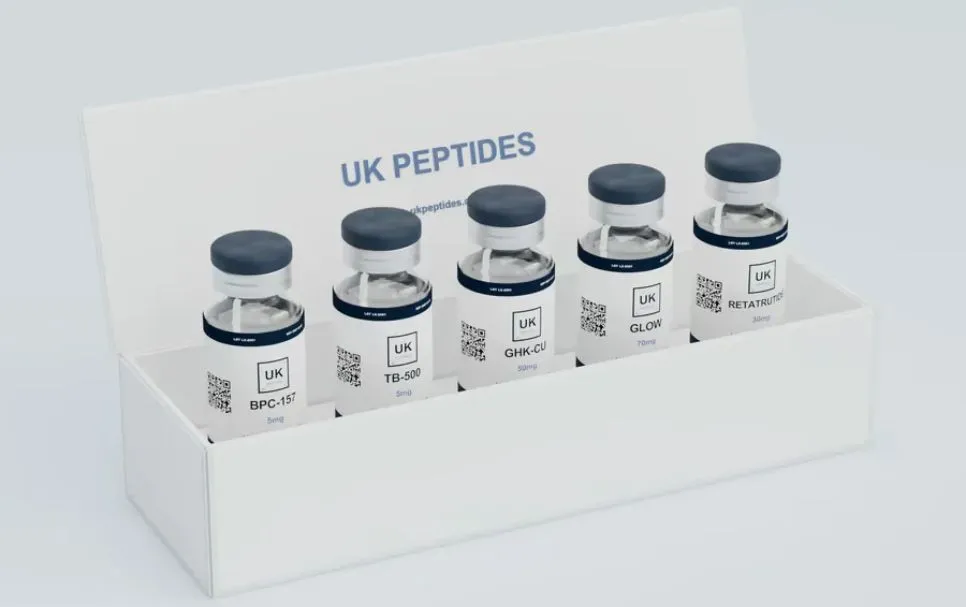
When reviewing information published by UK Peptides or another research-information provider, readers should examine the available documentation and assess whether its claims are supported by suitable evidence. Clear wording and transparent limitations make scientific content more useful than broad promotional promises.
Frequently Asked Questions
Does an HPLC result establish complete product quality?
No. It provides information obtained through a particular analytical method. Other aspects of identity, composition, and safety require separate evidence.
Why are batch numbers included in laboratory reports?
They help connect a report to a specific sample or production batch, making the documentation easier to trace and verify.
Can a CoA confirm that a peptide is safe for human use?
No. A certificate of analysis reports analytical findings; it does not establish clinical safety or therapeutic effectiveness.
Why should research articles explain scientific limitations?
Clear limitations help readers distinguish preliminary findings from established conclusions and prevent laboratory results from being overstated.



Sign in to leave a comment.