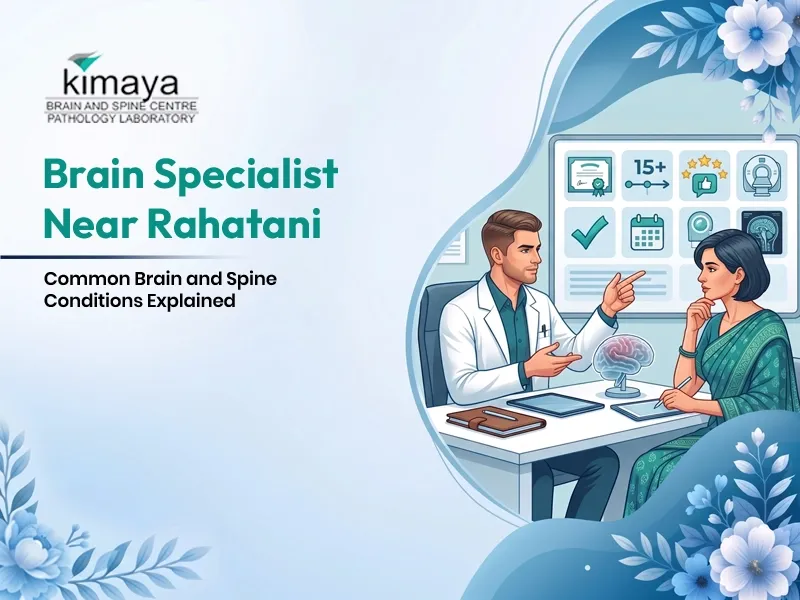

A headache after a long day, occasional back pain, or temporary tingling may not seem like reasons to consult a specialist. But when symptoms persist, become worse, or appear alongside weakness, numbness or other neurological changes, they deserve closer attention.
The difficult part is knowing which symptoms can be monitored and which ones require professional evaluation.
Common Symptoms With Different Possible Causes
Brain and spine conditions do not always produce obvious symptoms.
Depending on the underlying problem, a person may experience:
- Persistent headaches
- Dizziness or balance problems
- Seizures
- Numbness or tingling
- Muscle weakness
- Neck or back pain
- Pain extending into an arm or leg
- Difficulty walking
- Changes in speech or vision
None of these symptoms automatically confirms a serious neurological condition. Several different medical conditions can produce similar symptoms.
That is why self-diagnosis based on a single symptom is unreliable.
When Headaches Need More Attention
Headaches are extremely common. Most do not require neurosurgical treatment.
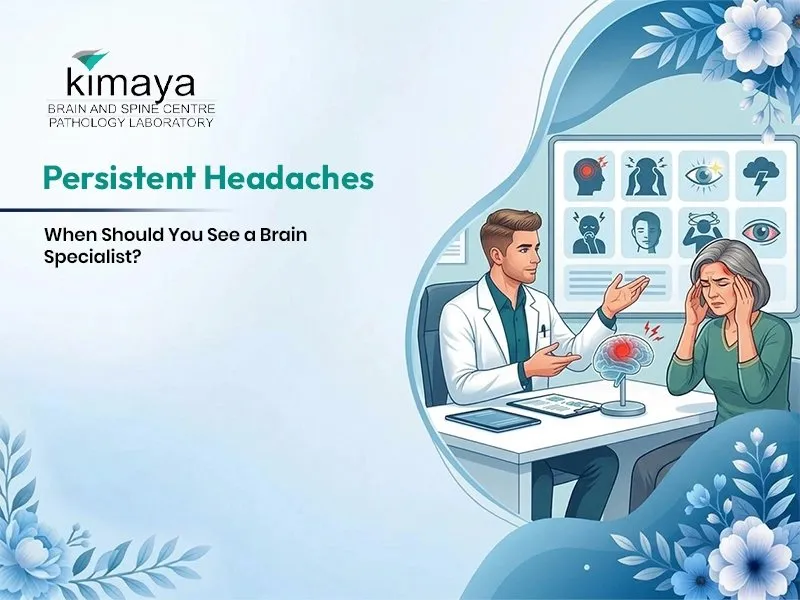
However, a new headache that continues, progressively worsens, or feels significantly different from previous headaches should be evaluated.
Additional symptoms such as repeated vomiting, seizures, weakness, numbness, vision changes, speech difficulties or balance problems can make further assessment particularly important.
The goal of specialist evaluation is not to assume the worst. It is to determine whether there is a reason for further investigation.
Seizures Should Not Be Ignored
Seizures can involve abnormal movements, loss of awareness, unusual sensations or temporary confusion.
A first-time seizure requires medical evaluation because there can be several possible underlying causes.
Depending on the patient's symptoms and examination, a doctor may recommend investigations such as brain imaging.
A prolonged seizure or repeated seizures without adequate recovery require emergency medical attention.
Spine Conditions Can Produce Neurological Symptoms
Neurological symptoms can originate outside the brain.
A herniated disc can compress a nearby nerve and cause pain, tingling, numbness or weakness. Sciatica can produce pain travelling from the lower back through the buttock and into the leg.
Cervical spine conditions can also cause symptoms in the neck, shoulder, arm or hand.
In more significant cases, spinal cord compression may affect walking, balance or hand function.
Persistent or progressive neurological symptoms should be evaluated rather than repeatedly managed as ordinary muscle pain.
When Should You Consider a Neurosurgical Consultation?
A neurosurgical consultation may be appropriate when symptoms are persistent, progressive, unexplained or associated with a known abnormality involving the brain, spine or spinal cord.
For residents of Rahatani, Pimple Saudagar, Wakad, Kalewadi, Thergaon and nearby parts of Pimpri-Chinchwad, specialist care within the region can also make follow-up more convenient.
If you are researching specialist options and want a detailed explanation of common conditions and warning symptoms, this guide to a brain specialist near Rahatani provides additional information.
Some Symptoms Are Emergencies
Not every neurological problem should be handled through a routine consultation.
Seek emergency medical attention for:
- Sudden weakness or numbness, especially on one side
- Sudden difficulty speaking or understanding speech
- Sudden major changes in vision
- Loss of consciousness
- A new or prolonged seizure
- Severe confusion
- A sudden, extremely severe headache
- Significant neurological symptoms after a serious head injury
These symptoms can occur with stroke, serious brain injury or other neurological emergencies.
Waiting for a routine specialist appointment in these situations can be dangerous.
Does Seeing a Neurosurgeon Mean Surgery?
No.
A neurosurgeon evaluates both surgical and non-surgical conditions.
Depending on the diagnosis, treatment may involve medication, physiotherapy, rehabilitation, observation, pain management, additional investigations or surgery.
Surgery is considered only when the clinical situation indicates that it is appropriate.
What Should You Look for in a Specialist?
Location is useful, but qualifications and relevant clinical experience matter more.
When evaluating a brain and spine specialist, patients can consider:
- Neurosurgical qualifications
- Experience with the relevant condition
- Access to appropriate diagnostic facilities
- Hospital and surgical support when required
- Clear communication about diagnosis and treatment
- Follow-up availability
For people living around Rahatani and Pimpri-Chinchwad, proximity can be especially useful when multiple consultations or follow-up assessments are needed.
Brain and Spine Care in Pimpri-Chinchwad
Dr. Nihar S. Ingale, MBBS, DNB – Neurosurgery, provides brain and spine-focused care through Kimaya Brain & Spine Center in Kalewadi, Pimpri-Chinchwad.
His areas of focus include brain conditions, spine conditions, spinal cord disorders, nerve compression and other neurosurgical problems.
The appropriate treatment depends on the patient's diagnosis, clinical examination and investigation findings.
Final Takeaway
A headache, backache or episode of numbness does not automatically indicate a serious brain or spine condition.
What matters is the overall pattern.
Symptoms that persist, worsen, recur without explanation or occur with neurological changes deserve appropriate medical evaluation. Sudden severe neurological symptoms require emergency care rather than a routine consultation.
This article is for general educational purposes and does not replace an individual medical evaluation.



















Sign in to leave a comment.