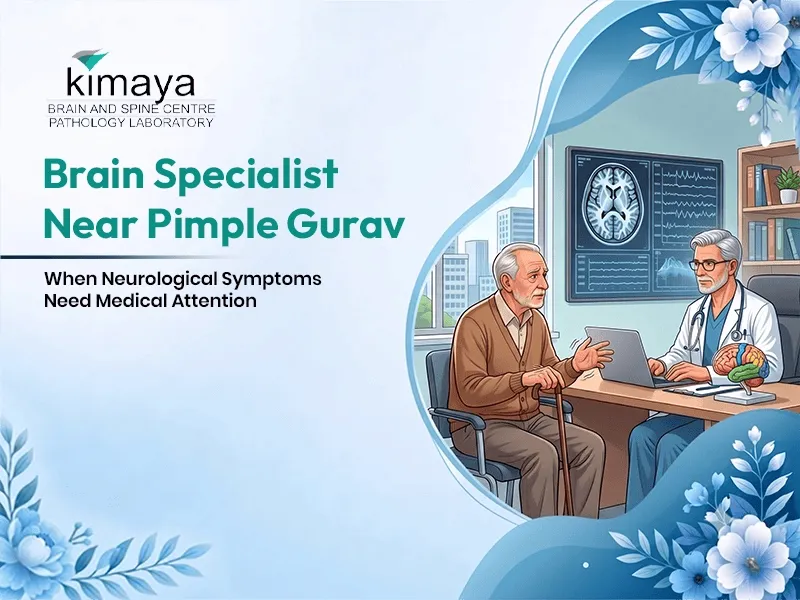

Numbness in an arm, recurring headaches, dizziness, weakness, or difficulty walking can make people immediately worry about a brain problem.
But neurological symptoms are not always caused by the brain.
The nervous system includes the brain, spinal cord, and peripheral nerves, and problems affecting different parts of this system can produce overlapping symptoms. That is why identifying the cause is more important than trying to diagnose the condition from a single symptom.
Symptoms Can Have Different Sources
A neurological symptom is essentially a change involving the nervous system. Common examples include:
- Headaches
- Numbness or tingling
- Weakness
- Seizures
- Speech difficulties
- Vision changes
- Balance problems
- Difficulty walking
- Coordination problems
- Changes in memory or cognition
The same symptom can have several possible explanations.
For example, numbness in an arm may be associated with nerve compression in the neck, while weakness affecting one side of the body suddenly may be a warning sign of stroke.
That difference is why timing and associated symptoms matter.
When a Brain Problem May Need Investigation
Persistent or unusual headaches deserve attention when they are new, progressively worsening, or accompanied by symptoms such as repeated vomiting, seizures, weakness, numbness, vision changes, speech difficulties, or significant balance problems.
This does not mean that every unusual headache indicates a serious brain condition.
Most headaches are not caused by conditions requiring neurosurgery. A medical assessment helps determine whether further investigation is appropriate.
When the Spine or Nerves May Be Involved
The spine contains the spinal cord and protects important neural structures. Problems involving the spine can sometimes produce neurological symptoms away from the actual source of the problem.
A person with a neck or back condition may experience:
- Pain travelling into an arm or leg
- Tingling
- Numbness
- Muscle weakness
- Difficulty walking
Disc-related nerve compression and spinal stenosis are examples of conditions that can affect nerves.
Depending on the diagnosis, treatment may include medication, physiotherapy, rehabilitation, observation, pain management, or surgery when medically appropriate.
Sudden Neurological Changes Are Different
One of the most important distinctions is whether symptoms develop suddenly.
Sudden weakness or numbness, particularly on one side, sudden difficulty speaking or understanding speech, major vision changes, loss of consciousness, severe confusion, or a new or prolonged seizure can require emergency medical attention.
A sudden extremely severe headache can also be a medical emergency.
These symptoms should not be handled by waiting for a routine specialist appointment.
Head Injuries Need Their Own Assessment
Neurological symptoms can also follow a head injury.
After a road accident, fall, sports injury, or other trauma, symptoms such as loss of consciousness, repeated vomiting, increasing headache, seizures, confusion, unusual drowsiness, weakness, or difficulty walking should receive urgent medical assessment.
Depending on the injury and clinical findings, brain imaging or specialist evaluation may be necessary.
Does Seeing a Neurosurgeon Mean Surgery?
This is a common misconception.
A neurosurgeon evaluates many patients who do not require an operation.
The role of a neurosurgeon can include assessing brain, spine, spinal cord, and nerve-related conditions, reviewing investigations, explaining treatment options, and determining whether surgery is appropriate.
In some cases, the best treatment may be non-surgical.
For patients trying to understand which neurological symptoms should prompt specialist evaluation, this detailed guide explains when neurological symptoms need medical attention.
Choosing Specialist Care in Pimpri-Chinchwad
For people living in Pimple Gurav, Rahatani, Pimple Saudagar, Sangvi, Wakad, Kalewadi, Thergaon, Chinchwad, Tathawade, or Punawale, access to specialist care within the wider Pimpri-Chinchwad region can make consultations and follow-up more practical.
However, distance should not be the only consideration.
Patients can look at specialist qualifications, neurosurgical training, clinical experience, access to appropriate investigations, communication, and follow-up arrangements.
Dr. Nihar S. Ingale, MBBS, DNB – Neurosurgery, provides brain and spine-focused care through Kimaya Brain & Spine Center in Kalewadi.
His clinical focus includes brain conditions, spine conditions, spinal cord disorders, nerve compression, and other neurosurgical problems.
The appropriate treatment depends on the patient's diagnosis, symptoms, examination, and investigation results.
If you want to understand the warning signs in greater detail, read the complete guide to neurological symptoms and specialist evaluation.

























Sign in to leave a comment.