

A pile of old taps, valve bodies and offcuts sits in the corner of most plumbing workshops. Most owners know it is worth something. Few know how to turn it into cash without losing a morning to it. This is where brass scrap collection services in Melbourne come in, and where a few plain questions save a lot of hassle.
This article works through seven questions that tradies, renovators and workshop managers ask most often. Each answer starts with the short version, then explains why.
1. What counts as brass scrap?
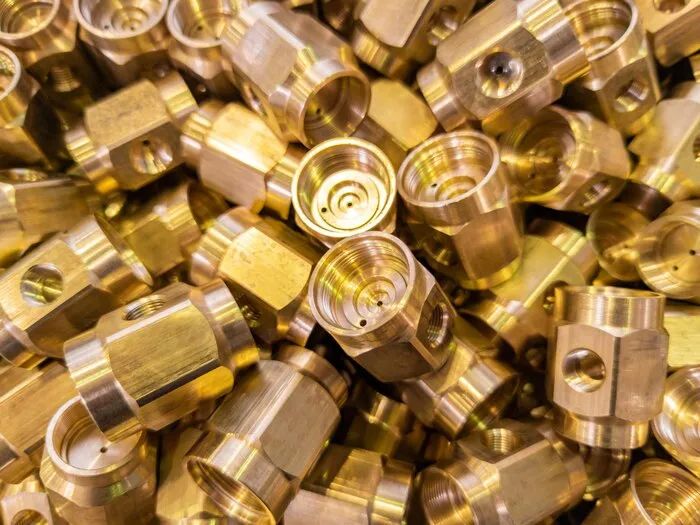
Brass is an alloy of copper and zinc. Collectors usually accept plumbing fittings, taps, valves, rods, sheets, connectors, fasteners and brass wire from electrical work. Items that look like brass but are plated steel do not count, and a quick magnet test tells you which is which. Brass is not magnetic, but steel is.
Sorting matters because buyers grade by purity. A bin of clean brass fittings is simple to assess. A bin mixed with steel bolts, rubber washers and plastic needs more work from the buyer, and that tends to show up in the offer.
2. Why do some loads fetch more than others?
Three things drive the result: the current metal market, how clean the load is, and how much of it there is. Clean brass usually earns more than mixed or contaminated brass. A bigger load often gets more attention than a few handfuls. Market prices move, so a figure quoted last month may not hold today.
- Separate brass from steel, aluminium and plastic.
- Remove rubber seals and plastic handles where you can.
- Keep different kinds of brass in different bins.
- Weigh the load roughly so you know its size before you call.
3. Do collectors come to you, or do you drive to them?
Both options exist in Melbourne. Some operators run pickups from building sites, workshops and homes. Others take drop-offs at a yard. The right choice depends on load size and timing. A utility boat full of fittings is easy to drop off, but a skip bin of offcuts from a bathroom renovation is a pickup job.
When you compare options, ask three things. Which suburbs does the collector cover? How soon can they come? Does a small load still qualify?
Which brass items need extra care before collection?
Some brass arrives with trouble attached. Old gas fittings, pressure valves and meter parts can hold residue or trapped pressure. Drain them, open them up and let them sit before they go in the bin. Water meters and gas parts are often regulated, so check with the utility or the collector before you hand them over.
Brass from bullet casings, marine fittings and musical instruments is another special case. These items can carry safety rules or legal limits, and a responsible collector will ask what they are before accepting them. Say so up front. It is far easier to sort this out on the phone than at the gate.
Brass wire from electrical jobs is simpler, but it still needs a look. Insulation that has been cut away makes a load cleaner, and a collector who handles brass scrap collection services in Melbourne for electricians will usually tell you how they want it presented.
4. How does a collection day actually run?
Most services follow the same basic order. You contact the team and describe the load. A pickup or drop-off time is agreed. On arrival, the material is sorted and weighed, the value is worked out, and then the metal moves on for processing and recycling.
One example of this model is Melbourne Scrap Copper, which describes brass scrap recycling with pickup or drop-off across Melbourne, sorting and weighing on the day, and payment after inspection. The details differ between operators, so it pays to confirm each step before you book rather than assume.
5. How is the weight measured, and why does it matter?
Payment is based on weight, so the scale matters as much as the rate. Ask whether the scale is certified. A certified scale is tested against a known standard, which means a kilogram on your load is a real kilogram on the receipt.
It also helps to watch the weighing if you can. A good collector will not mind. Many will put the result on the ticket and talk you through it.
What changes for a business with regular volume?
A workshop that produces brass every week should not treat each pickup as a one-off. Regular volume allows a standing arrangement: a set day, a labelled bin and a running record of weights. That record shows how much metal the business produces, and it helps spot waste. If turnings and offcuts pile up faster than expected, the cutting process may need a closer look.
It also pays to keep brass away from other metals from the start. A plumber who tosses copper pipe, brass fittings and stainless fixtures into one drum creates sorting work for someone, and the cost lands on the seller. Three labelled bins take two minutes to set up. They can lift the quality of every load that follows.
Finally, think about storage. Brass is heavy, so use sturdy containers, keep them dry and store them where a forklift or trolley can reach. Loose piles on a wet floor lead to rust on any steel parts and to dirty loads.
6. What about payment and paperwork?
Ask when and how you are paid. Some operators pay on the spot after inspection and weighing. Others pay by bank transfer later. Neither is wrong, but you should know which one applies before the truck arrives.
Businesses should also ask for a receipt that lists the date, material type and weight. Accountants like this paper trail, and it protects you if a question comes up later. Private sellers usually need less, though a receipt is still a good habit.
7. What are the warning signs of a poor service?
Watch for a few clear red flags.
- The collector will not explain how the price is set.
- They refuse to let you see the weighing.
- The quote changes sharply once the truck arrives, with no reason given.
- They have no clear contact details or address.
- They pressure you to decide on the spot.
A reliable operator answers these questions without fuss. If the answers feel vague, try the next name on your list.
Putting it together
Good outcomes come from simple habits. Sort the load, know roughly what it weighs, and ask how the price and payment work before anyone arrives. Choosing among brass scrap collection services in Melbourne then becomes a matter of comparing clear answers rather than guessing.
Start with this list the next time a bin of brass fills up. Call two operators, put the same seven questions to each, and compare what you hear. The better service is usually the one that explains itself most clearly.























Sign in to leave a comment.