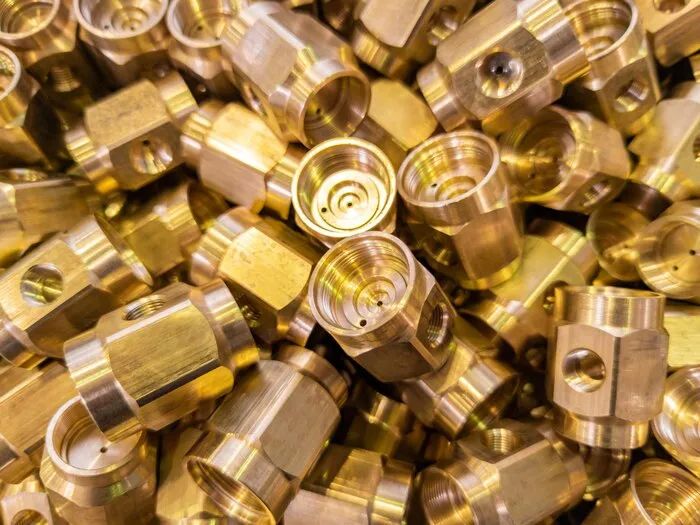

A box of old brass fittings looks like one uniform pile of metal, but it rarely is. Brass comes in several distinct types, and each one is worth a different amount once it reaches a recycler. Understanding those differences is the real key to getting a fair price for brass scrap recycling in Melbourne. That holds for a plumbing job, an old machine shop clean-out, or a garage full of loose hardware alike.
Why Sorting Changes What You Get Paid
Sorted brass, separated by type, generally earns more than a mixed pile. A recycler who receives clean yellow brass, kept apart from red brass and turnings, can grade each portion accurately. A jumbled mix gets priced as a single blended rate instead. That blended rate usually lands lower than the sum of its separated parts would have. Even a rough sort at home, pulling turnings away from solid fittings, tends to help the final number.
How Contamination Affects the Price
Brass fittings often arrive with rubber washers, plastic handles, or steel screws still attached. None of that is unusual, and a recycler expects some of it. Heavier contamination takes more work to process. That includes brass mixed with large amounts of unrelated metal, or turnings heavily soaked in cutting oil. The extra work involved gets reflected in a lower price for the load as a whole.
Collection and Drop-off Both Work
Small amounts of brass, such as a few old taps or door handles, are easy to drop off directly. Larger volumes, from a renovation or a trade job clearing out old fittings, are usually better collected on-site. Brass rarely shows up entirely on its own, either. A renovation that produces old brass taps often produces copper wire, aluminium trim, and steel fittings at the same time. A single local scrap metal recycling service that handles the full range of common metals saves a seller real time. There is no need to split one clean-out across several different buyers just to cover every metal type involved. That convenience matters almost as much as the price itself for anyone dealing with a genuinely mixed load.
Why Brass Turnings Need Special Handling
Machine shop turnings and swarf deserve their own mention, since they behave differently from solid fittings. These small curls and shavings are a byproduct of cutting, drilling, and machining brass parts. They often arrive soaked in cutting oil or coolant, which adds weight without adding value. A recycler typically needs to clean or drain turnings before an accurate weight and grade can be confirmed. Keeping turnings separate from solid brass helps too. Draining off excess oil where practical tends to speed up this part of the process considerably.
What a Fair Recycler Does Differently
A straightforward brass buyer weighs material on calibrated scales in front of the seller. They explain how sorting and grade affect the price before finalising a number. They do not simply name a flat rate for everything regardless of what is actually supplied. Payment happens once weighing is confirmed, not after some unexplained delay. Brass scrap recycling in Melbourne runs on the same principles as copper or aluminium recycling. Fair grading and fair weighing do not change depending on which metal is on the scale.
Brass Versus Other Common Scrap Metals
Brass usually sits in a middle tier of value, above steel and aluminium, but typically below clean copper. That is a general pattern, not a fixed rule, since the exact figures shift with the market and the specific grade involved. Knowing roughly where brass sits helps set realistic expectations before a quote comes in. Not every metal in a mixed load is worth the same amount per kilo, and assuming otherwise leads to disappointment.
What Determines the Day's Rate
Like most base metals, brass trades against a market rate that shifts with global demand. Copper content, zinc content, and current commodity prices all feed into what a recycler can pay on a given day. A reputable buyer explains how that rate applies to your specific grade. They do this instead of quoting a single number regardless of what you actually bring in.
Reading a Quote Before You Commit
A quote is only useful if it explains itself. A number with no breakdown tells you little about whether it reflects the actual grade of your material. A useful quote separates out the different types present. It states the approximate weight of each, and shows how the day's rate applies to that specific mix. That level of detail is a reasonable thing to ask for before agreeing to a price. It matters even more on a larger or more valuable load.
Common Sources of Brass Scrap Around the Home and Workshop
Brass shows up in more places than most people expect. Plumbing fittings and old taps are common sources. So are door handles, hinges, and older light fixtures. Machine shops generate turnings and shavings as a byproduct of regular work. Even musical instruments and decorative items sometimes contain enough brass to be worth recycling rather than discarding with general waste.
What to Do With a Genuinely Mixed Load
Many households and small job sites do not end up with pure brass at all. A renovation clean-out might turn up brass taps alongside copper offcuts, aluminium window trim, and steel brackets. None of that needs to be pre-separated perfectly before you call. A capable recycler grades each metal on arrival and prices the load accordingly. Rough separation still helps. A genuinely mixed load is a normal, expected part of the job, not a problem you need to solve alone beforehand.
Why It Is Worth Sorting Before You Call
A few minutes of sorting makes a real difference. Separate turnings from solid fittings. Separate yellow brass from anything that looks more reddish or coppery. That rough sort gives a recycler a head start on grading. It also gives you a more accurate idea of what to expect from an initial quote. That number is less likely to change once someone actually inspects the load in person.
Questions Worth Asking Before You Sell
A short conversation before you hand over a load can prevent a disappointing outcome. Ask how the recycler grades brass compared to other metals in a mixed load. Ask whether turnings and solid fittings get weighed and priced separately. Ask what proof of identity or paperwork is needed. Regulated scrap metal sales in Victoria commonly require this at the point of sale. A recycler who answers plainly, without vague reassurances, is generally straightforward to deal with on the day.
The Bottom Line on Brass Scrap Recycling in Melbourne
Brass is not one uniform material, and treating it that way leaves value on the table. Sorting by type, understanding how contamination affects price, and choosing a recycler who weighs transparently all add up to a fairer result. A handful of old fittings and a trade job's worth of brass hardware both go through the same process. Brass scrap recycling in Melbourne works best when the seller understands what actually drives the price before the material gets weighed.
























Sign in to leave a comment.