

Childhood is an important period for developing healthy oral patterns, and certain habits can influence dental growth when they continue for extended periods. Behaviors such as thumb sucking, finger sucking, tongue thrusting, or prolonged pacifier use may affect the developing relationship between teeth and oral structures in some children. When professional evaluation indicates that intervention may be appropriate, habit correction appliances can become part of a broader pediatric treatment approach. These appliances are designed according to individual clinical needs and may help dental professionals guide children toward healthier oral behaviors while monitoring ongoing growth and development.
Understanding Childhood Oral Habits
Many oral habits are normal during early childhood and may naturally decrease as children mature. The concern generally arises when a habit persists beyond an age or developmental stage where professional intervention may be considered. The potential effects can vary depending on frequency, duration, intensity, and the child’s individual anatomy. Dental professionals evaluate these factors before recommending treatment. An appliance should not be viewed as an automatic solution for every habit. Instead, it can be considered when clinical assessment suggests that additional support may help address a persistent behavior or its developing dental effects.
Common Habits That May Require Attention
Thumb and finger sucking are among the most recognized childhood oral habits. Prolonged sucking behaviors can sometimes influence the position of developing teeth and the shape of the dental arches. Tongue thrusting may also affect oral function and tooth positioning in certain circumstances. Extended pacifier use can present similar concerns depending on the individual child. The presence of a habit does not necessarily indicate a problem requiring appliance therapy. A dental professional considers the child’s age, dental development, habit characteristics, and observed effects before determining whether observation, behavioral guidance, or appliance support is appropriate.
Why Early Evaluation Can Be Valuable
Early dental evaluation allows professionals to observe how a child’s oral structures are developing and whether a persistent habit appears to be influencing that process. During an examination, the dentist may assess tooth position, bite relationships, arch development, and oral function. If a concern is identified, the dental team can discuss possible approaches with caregivers. Some children may respond well to encouragement and behavioral strategies alone, while others may require additional intervention. When an appliance is considered, it becomes one part of a broader treatment plan rather than a replacement for professional assessment or caregiver involvement.
How Habit Correction Appliances Work
Habit correction appliances are generally designed to discourage a specific oral behavior by creating a physical reminder or barrier. The exact construction depends on the habit being addressed and the clinician’s prescription. For example, an appliance may include a component positioned to make a particular sucking behavior less comfortable or less convenient. The objective is not to punish the child, but to provide an additional cue that supports behavior modification. The dental professional determines whether the design is suitable for the patient, while the laboratory focuses on accurate fabrication, appropriate finishing, and adherence to the prescribed specifications.
Individualized Appliance Design
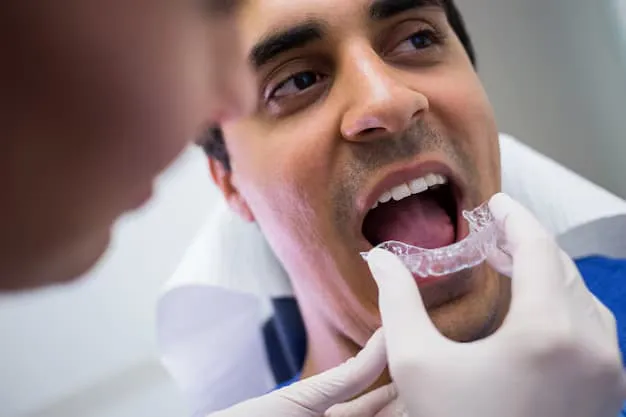
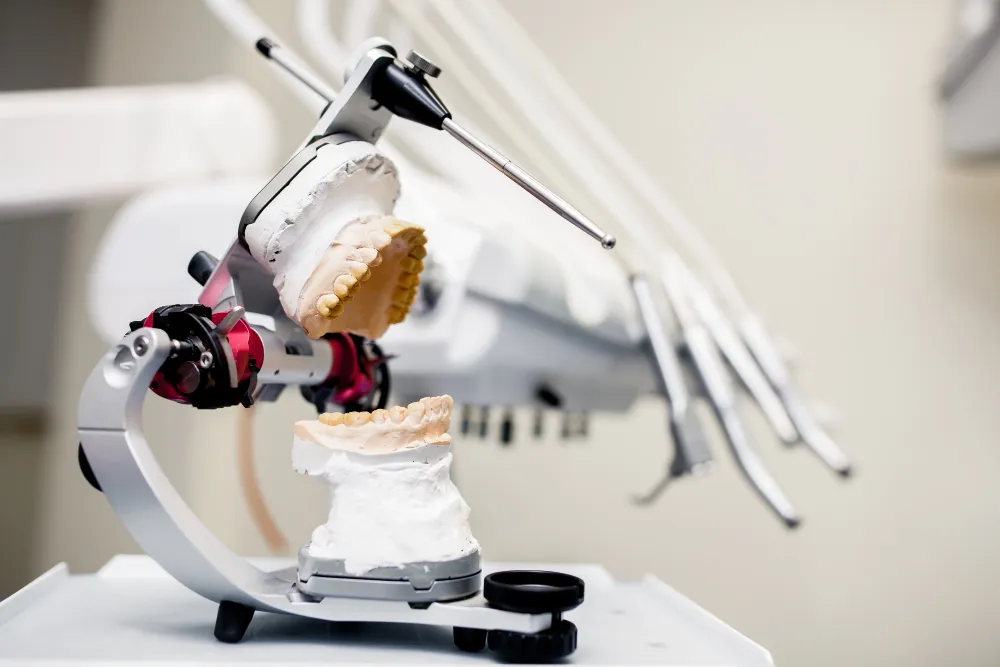
Children have different dental anatomy, growth patterns, and behavioral circumstances, so habit correction appliances should be individually planned. The laboratory may receive a physical impression or digital scan that represents the child’s current oral structures. Technicians use these records alongside the clinical prescription to create the appliance. Appropriate dimensions, component placement, retention features, and material selection can influence the final result. Careful customization is particularly important in pediatric cases because developing teeth and jaws can change relatively quickly. The dentist evaluates the finished appliance clinically and determines whether it fits appropriately before recommending its use.
Accurate Records Support Better Fabrication
Reliable laboratory fabrication begins with accurate patient records. Digital intraoral scans can provide detailed three dimensional information about the dental arches, while conventional impressions may remain suitable for certain cases. Regardless of the recording method, the laboratory needs a clear representation of the child’s current anatomy. Incomplete or distorted records can create difficulties during appliance design and may result in requests for additional information. Accurate records can therefore improve production efficiency while supporting better adaptation of the finished appliance. The dental practice and laboratory both benefit when case information is complete, current, and clearly documented.
Comfort Matters in Pediatric Appliance Design
Children may be particularly sensitive to the feeling of a new appliance, making comfort an important consideration during fabrication. Bulky structures, rough surfaces, sharp edges, or inappropriate dimensions may make adaptation more difficult. Laboratory technicians can address these concerns through careful design interpretation, smooth finishing, and appropriate material handling. The appliance still needs to perform its intended function, so comfort should be balanced with the clinician’s prescribed design. After fabrication, the dentist evaluates the appliance in the child’s mouth and can determine whether adjustments are needed. Patient acceptance may improve when the appliance is carefully finished and professionally introduced.
Materials Influence Appliance Characteristics
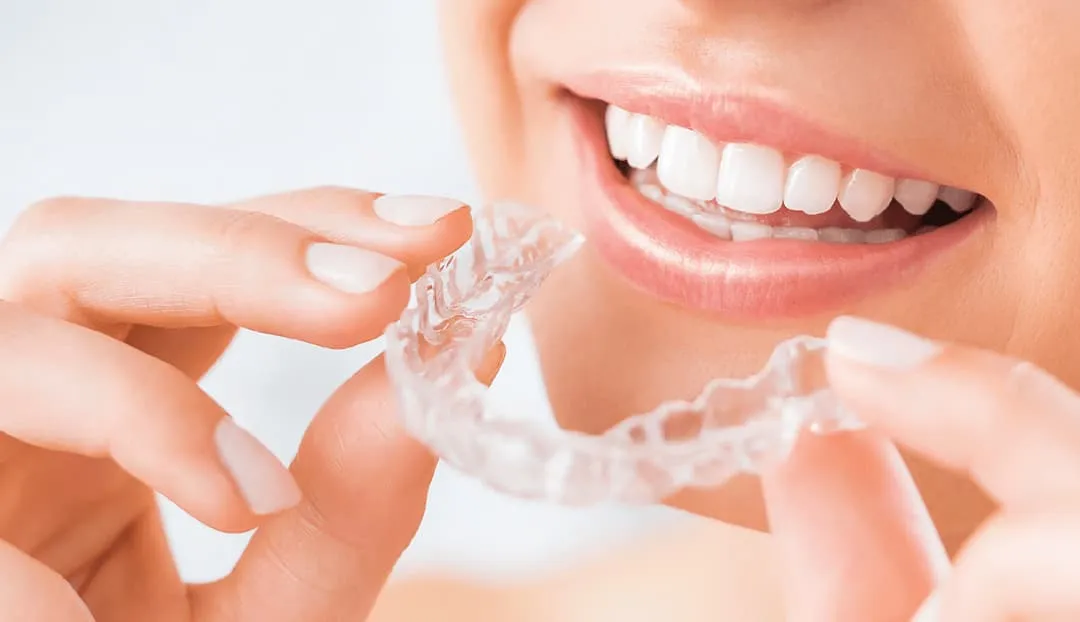
The materials selected for a habit correction appliance can influence its strength, flexibility, appearance, weight, and overall handling characteristics. Acrylics, wires, thermoplastic materials, and other components may be used depending on the prescribed appliance. Laboratory technicians need to understand how each material behaves during fabrication and finishing. Proper processing helps maintain the intended dimensions and construction. Material selection should follow the clinical prescription and established laboratory procedures rather than being based solely on appearance. A well considered material choice can support durability and usability while helping the finished appliance remain appropriate for the child’s individual treatment requirements.
Digital Technology Supports Modern Fabrication
Digital dentistry has introduced efficient methods for planning and producing pediatric appliances. Intraoral scans can be transferred electronically to a laboratory, where technicians can inspect digital models and prepare designs using computer aided systems. Three dimensional printing may also support the production of models or selected appliance components. Digital workflows can simplify case storage, communication, and design adjustments. However, technology does not replace the need for experienced technicians. Human oversight remains important when reviewing records, interpreting prescriptions, selecting fabrication methods, finishing appliances, and conducting quality checks. The most effective approach combines digital efficiency with professional technical expertise.
Quality Control Helps Protect the Final Appliance
Before a habit correction appliance is delivered, laboratory quality control can help identify technical concerns. Technicians may inspect the appliance for rough surfaces, sharp edges, incorrect components, dimensional inconsistencies, or other manufacturing defects. The finished device can also be compared with the working model or digital design to confirm that it corresponds with the prescription. Proper labeling and case documentation are equally important because pediatric practices may manage multiple appliance cases simultaneously. These checks do not replace clinical evaluation, but they provide an additional safeguard. Careful laboratory inspection can help the dental team begin the fitting process with greater confidence.
Caregiver Participation Is Essential
Appliance therapy for children usually requires active involvement from parents or caregivers. Young patients may not fully understand why an appliance is necessary or how consistent use supports treatment. Dental professionals can explain the purpose of the appliance in age appropriate language and provide caregivers with practical instructions regarding wear, cleaning, storage, and follow up. Positive reinforcement may also help children adapt to the new routine. The appliance itself is only one component of habit management. Consistent communication between the dental team, child, and caregivers can make the overall treatment approach more supportive and easier to maintain.
Regular Monitoring Supports Developing Patients
Children’s oral structures continue changing throughout growth, so regular professional monitoring is important when an appliance is used. The dentist can evaluate whether the appliance remains appropriately positioned and whether the child’s dental development is progressing as expected. The clinician may also assess whether the targeted habit has decreased and whether additional intervention is necessary. Adjustments or replacement may become appropriate as the child grows. Laboratory records can support these changes when updated prescriptions and current clinical information are provided. Ongoing supervision ensures that appliance therapy remains connected to the child’s changing dental and behavioral needs.
Appliance Selection Should Be Individualized
There is no single habit correction appliance that is appropriate for every child. Treatment decisions depend on the type of habit, its persistence, the child’s age, dental development, cooperation, and the clinician’s assessment. Some children may benefit from removable appliances, while others may require fixed designs depending on their circumstances. The dental professional determines which approach is appropriate. Laboratory technicians then fabricate the selected device according to the prescription. This individualized process helps ensure that the appliance serves a specific clinical purpose rather than being used simply because a particular design is commonly available.
Communication Between Laboratory and Dental Practice
Clear communication can significantly improve the fabrication process. Dental practices should provide detailed prescriptions that explain the appliance type, required components, material preferences, and other relevant specifications. If information is incomplete, laboratory technicians may need clarification before beginning production. Timely communication can reduce delays and help prevent unnecessary remakes. When a clinician changes the treatment plan, updated instructions should also be clearly documented so the laboratory works from the current information. A collaborative relationship allows technical and clinical teams to remain aligned while preserving the dentist’s responsibility for diagnosis, appliance selection, fitting, and treatment monitoring.
Choosing Reliable Laboratory Support
Dental practices seeking laboratory support for pediatric appliances may consider experience, fabrication quality, digital capabilities, communication, turnaround consistency, and quality control procedures. Pediatric appliances require careful attention because children have smaller oral structures and continuously changing dentition. A laboratory familiar with these requirements can provide valuable technical support while following the clinician’s exact prescription. Practices may also benefit from a laboratory that maintains organized case records and responds efficiently to questions or requested modifications. Reliability involves more than production speed. Consistent fabrication, careful finishing, accurate case management, and responsive communication all contribute to a stronger laboratory relationship.
The Broader Role of Preventive Pediatric Care
Habit correction should be considered within the larger context of pediatric oral health. Dental professionals may combine behavioral guidance, caregiver education, monitoring, oral hygiene instruction, and appliance therapy when appropriate. The objective is to address concerns without unnecessarily interfering with natural development. Early professional attention can help families understand which habits may resolve independently and which may warrant closer observation. When an appliance is recommended, its purpose should be clearly explained to both the child and caregivers. This broader approach encourages cooperation and places appliance therapy within a comprehensive strategy for supporting healthy dental development.
Looking Toward the Future
Advances in digital scanning, computer aided design, three dimensional manufacturing, and laboratory communication are likely to continue improving pediatric appliance workflows. These technologies can make records easier to transfer, designs easier to review, and production processes more organized. Future systems may provide additional tools for customizing appliances according to individual anatomy and clinical requirements. Even as technology develops, experienced technicians will remain important because successful fabrication depends on understanding materials, appliance construction, finishing, and pediatric considerations. Combining modern digital capabilities with skilled human oversight can help laboratories provide consistent technical support for evolving pediatric dental care.
Conclusion
Persistent oral habits can sometimes influence developing dental structures, making professional evaluation important when concerns arise. Habit correction appliances may provide useful support for selected children when behavioral guidance alone is insufficient or when the clinician determines that an appliance could complement the treatment approach. Their success depends on individualized planning, accurate records, appropriate materials, comfortable design, careful fabrication, quality control, caregiver participation, and regular professional monitoring. A dependable laboratory can support these requirements by combining technical expertise with organized workflows. Ohlendorf Appliance Laboratory can assist dental practices with carefully fabricated pediatric appliances designed to follow individual clinical prescriptions and treatment objectives.
























Sign in to leave a comment.