

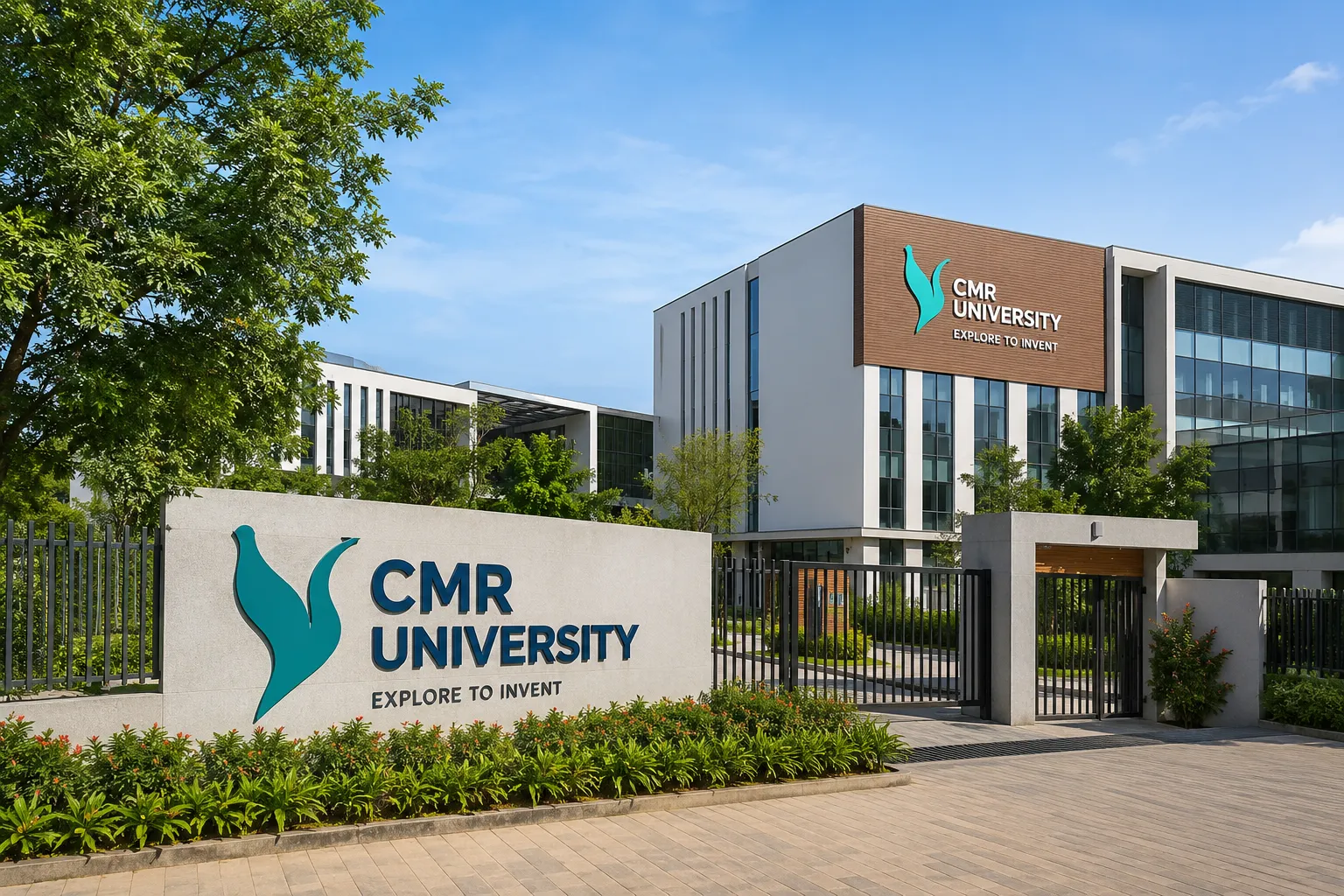
When I first stepped into the B.Tech Electronics and Communication Engineering (ECE) program at CMR University, I was fascinated by technology, yet intimidated by the gap between theory and execution. Studying equations in textbooks is one thing, but designing a circuit that functions flawlessly in real-life scenarios is an entirely different challenge.
During my third semester, my team faced a classic engineering dilemma: building an IoT-based system to monitor real-time environmental parameters. On paper, the architecture was sound. In practice, we immediately hit roadblocks with signal noise, erratic sensor readings, and severe power inefficiency.
This is where the problem-solving mindset fostered at CMR University transformed our approach.
Rather than treating the issue as a failure, we tackled it systematically using the practical toolsets and mentorship framework provided by the School of Engineering and Technology (SOET). Guided by experienced faculty, we isolated the components, debugged the microcontroller code line-by-line, and reconfigured our circuit design using modern simulation tools. By integrating proper signal processing techniques and low-power microcontrollers, we reduced signal degradation and successfully deployed a fully functional prototype.
What makes pursuing a B.Tech in ECE at CMR University unique is its heavy emphasis on hands-on project-based learning. The curriculum doesn't just ask you to memorize concepts—it challenges you to apply principles of signal processing, VLSI design, embedded systems, and wireless networks to solve real engineering problems.
Navigating through complex laboratory setups, industry certifications, and collaborative team environments has equipped us with crucial competencies:
- Analytical Thinking: Deconstructing complex hardware and software friction points into manageable solutions.
- Modern Tool Utilization: Gaining practical mastery over industry-standard simulation software, advanced microcontrollers, and debugging tools.
- Resilience Under Pressure: Iterating through multiple failed prototypes until achieving an optimal system design.
Engineering is ultimately about solving human problems through hardware and communication systems. The ECE program at CMR University gives us the exact platform, modern lab infrastructure, and industry exposure needed to transition from curious students into job-ready problem solvers.
Useful Resources & Next Steps

To explore more details about the curriculum, state-of-the-art lab infrastructure, and admissions for the B.Tech program, visit the official CMR University B.Tech ECE Program Page. You can also check out the broader academic offerings, industry collaborations, and campus initiatives directly at the School of Engineering & Technology at CMR University.
























Sign in to leave a comment.