

Brown Diamonds are becoming an interesting choice for buyers who want something distinctive beyond traditional colourless stones. In 2025, average spending on natural diamond jewellery in the US increased 25% to $4,063 per piece, while non-bridal purchases such as gifting and self-purchase represented 75% of natural diamond demand value. Gen Z alone accounted for 23% of natural diamond demand value. These trends show that Diamonds are increasingly being purchased for personal style and meaningful occasions, making documented quality and authenticity especially important.
What Are Brown Diamonds?
Brown Diamonds are Diamonds that display a brown body colour ranging from subtle brown to deeper, richer tones. Unlike traditional colourless Diamonds, where less visible colour generally increases value, colour is an important part of the appeal of Brown Diamonds.
Brown is actually the most common fancy diamond colour. GIA notes that Brown Diamonds can range from very light to very dark and may show warm golden, reddish, yellowish, orangy or greenish modifying colours.
For a first-time buyer, the key point is simple: the beauty of Brown Diamonds comes from their colour, but the exact colour and its origin should be properly documented.
How Do Brown Diamonds Form?
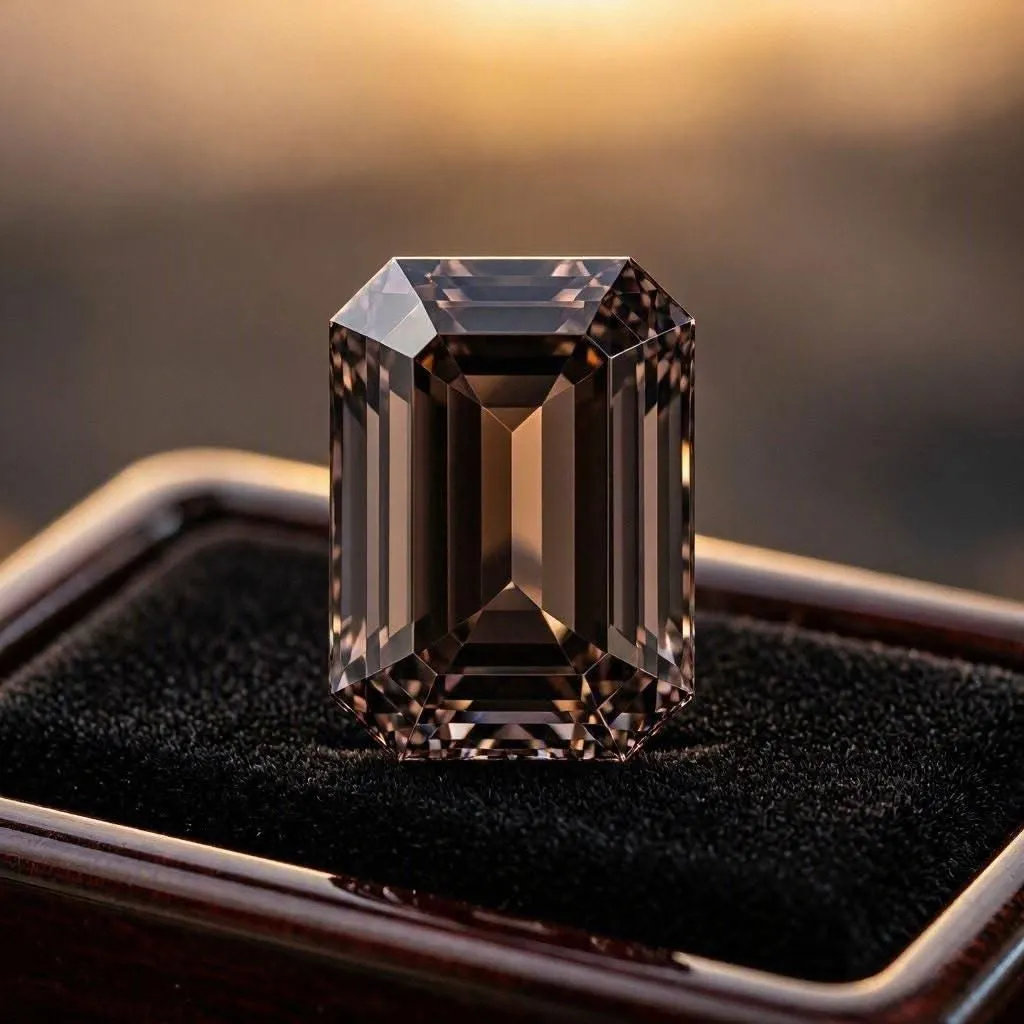
Natural Brown Diamonds form deep inside the Earth under extremely high pressure and temperature over long geological periods. Their brown appearance is associated with features in the diamond's crystal structure that affect how light passes through the stone.
Lab-grown Diamonds can also display brown colour. They are created using advanced methods such as Chemical Vapor Deposition (CVD) or High Pressure High Temperature (HPHT). Some lab-grown Diamonds may show brown colour after growth and can undergo additional processing to modify their appearance.
This is why certification becomes important: it helps buyers understand what they are actually purchasing.
What Should a Brown Diamond Certificate Show?
When buying Brown Diamonds, don't look only for the word "certified." Read the report carefully and check the information recorded about the stone.
1. Natural or Laboratory-Grown Origin
One of the first things to check is whether the Diamond is natural or laboratory-grown.
A reliable laboratory report should clearly identify the Diamond's origin. This distinction can have a significant impact on how the stone is priced, marketed and understood by the buyer.
2. Colour Description
Colour is one of the most important factors when evaluating Brown Diamonds.
A report may describe the stone's colour using terms that identify the dominant hue and modifying colours. Buyers should compare the report description with the actual Diamond and make sure the colour appears consistent under suitable lighting.
Terms such as Champagne, Cognac and Chocolate are commonly used in the trade, but they are not substitutes for understanding the actual documented colour characteristics of the Diamond.
3. Colour Origin
This is particularly important for Brown Diamonds.
Ask whether the colour is natural or treated. Diamond treatments can be used to change or enhance colour, and such treatments should be disclosed.
A professional gemological report can provide valuable information about whether the observed colour is natural or the result of treatment.
4. Carat Weight and Measurements
The certificate should also state the Diamond's carat weight and measurements.
Remember that carat refers to weight, not simply how large a Diamond looks. Two Diamonds with the same carat weight can have different visual appearances because of their shape, proportions and cutting style.
5. Shape and Cutting Style
Check the shape and cutting style listed on the report. Round, Oval, Cushion, Pear, Radiant and other shapes can display brown colour differently.
Cutting also affects how light interacts with the stone. A well-cut Brown Diamond can have attractive brilliance while allowing its colour to remain visually prominent.
6. Clarity
Clarity identifies internal and external characteristics found in a Diamond.
For fancy-colour Diamonds, colour can be a more important value factor than clarity. However, inclusions that affect durability can reduce desirability and value. Therefore, buyers should consider both the appearance and structural condition of the stone rather than automatically choosing the highest clarity grade.
Durability: Are Brown Diamonds Suitable for Everyday Wear?
Brown Diamonds have the same fundamental hardness as other Diamonds, making them suitable for many types of jewellery. However, hardness does not mean a Diamond cannot chip or fracture.
The setting and cutting style also matter. A professional jeweller can recommend an appropriate setting based on the Diamond's shape and intended use.
Regular cleaning with appropriate methods and periodic professional inspection can help keep Diamond jewellery looking its best.
Are Brown Diamonds Rare?
Brown is the most common fancy Diamond colour, so Brown Diamonds should not automatically be described as one of the rarest Diamond colours.
However, rarity can vary considerably between individual stones. Size, colour strength, colour purity, origin, treatment status, clarity and overall appearance can all influence desirability.
GIA explains that fancy-colour Diamonds are evaluated differently from standard D-to-Z colour Diamonds, with colour strength and purity playing a major role in value.
What Determines the Value of Brown Diamonds?
The value of Brown Diamonds depends on several characteristics rather than one simple grading factor.
Important considerations include:
- Colour and colour intensity
- Hue and modifying colours
- Natural or laboratory-grown origin
- Natural or treated colour
- Carat weight
- Cut and shape
- Clarity
- Certification
- Overall visual appeal
For fancy-colour Diamonds, a beautiful and attractive colour can be especially important. This means buyers should compare Diamonds based on their complete characteristics rather than choosing solely by carat weight.
Where Are Brown Diamonds Commonly Used?
Brown Diamonds are commonly used in engagement rings, earrings, pendants, necklaces, bracelets and fashion jewellery. Their warm tones can work particularly well with yellow gold and rose gold, while contrasting settings can create a more contemporary appearance.
They are also an appealing option for buyers looking for personalised jewellery or a distinctive alternative to traditional colourless Diamonds.
Final Checklist Before Buying Brown Diamonds
Before purchasing, check:
- Is the Diamond natural or laboratory-grown?
- Is the colour clearly documented?
- Is the colour origin identified as natural or treated?
- Does the certificate match the actual Diamond?
- Are the carat weight, measurements, shape and clarity correct?
- Is the grading laboratory reputable?
- Can the certificate be independently verified?
- Does the Diamond's appearance justify its asking price?
Certification does not replace your own visual assessment, but it gives you documented information that makes comparison and purchasing decisions much easier.
If you're exploring Brown Diamonds, take time to compare colour, quality, certification and value rather than focusing on carat weight alone. Explore certified Brown Diamonds from Keian Luxandor to discover distinctive Diamonds selected with quality and transparency in mind.














Sign in to leave a comment.