

Every serious Christian eventually faces the same task: building a personal library of study resources that actually helps rather than sits unopened on a shelf. The challenge is not finding books. Christian retailers stock thousands of titles. The challenge is finding ones worth the shelf space and the reading time.
This guide covers what to look for in two categories that matter most for regular Bible study: a dependable commentary and a bookstore worth returning to for future purchases.
Start With the Commentary, Not the Extras
A full-Bible commentary belongs at the center of any serious study library. It gets consulted far more often than specialty books on narrower topics, which makes its quality disproportionately important compared to everything else on the shelf.
Three factors separate a commentary worth owning from one that will gather dust. First, check whether it covers the entire Bible or only select books, since partial coverage forces a second purchase eventually and often introduces inconsistency when that second purchase comes from a different author with different theological assumptions. Second, check the author's background, favoring writers with genuine pastoral or teaching experience over those working purely from an academic post disconnected from weekly ministry demands. Third, check the underlying textual tradition, since this single factor shapes how the author handles nearly every disputed passage throughout the work.
An independent baptist commentary built on these three standards exists as a complete set spanning Genesis to Revelation, written by a single author with decades of pastoral experience rather than assembled from a committee with varying convictions. That kind of consistency is harder to find than it should be, given how many commentaries split authorship across multiple contributors.
Reading a Sample Before You Buy
Do not judge a commentary by its cover or its page count. Open it to a passage you already find difficult, something like Romans 9 or the seal judgments in Revelation, and read the explanation straight through. A commentary worth owning will clarify the passage in language you can follow without pausing every paragraph to look up a term.
This ten-minute test beats reading online reviews, which rarely reflect how a specific resource handles the passages that will actually challenge you during real study.
Finding a Bookstore Worth Trusting Long Term
A commentary is one purchase. A trustworthy bookstore is a long-term relationship, one that pays off across years of future purchases as your library grows. Look for a few specific qualities before committing your future business to any single retailer.
Consistency across the catalog matters most. A bookstore that mixes Critical Text material and traditional text material on the same shelf without distinction forces every buyer to research each title individually, defeating much of the purpose of trusting a curated source in the first place. A catalog that reflects one clear theological position, applied consistently across commentaries, doctrinal works, and historical studies, saves that research time on every future purchase.
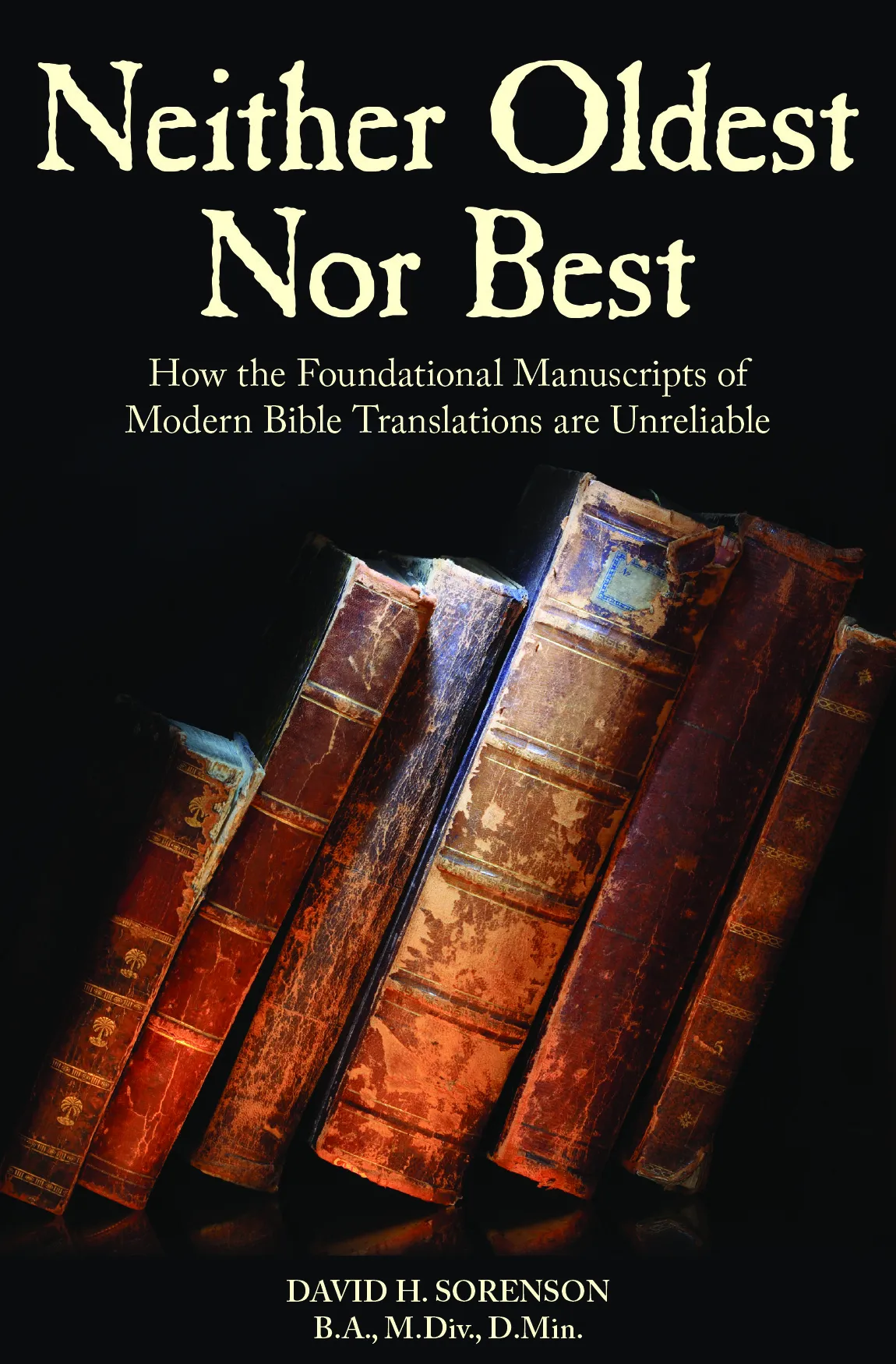
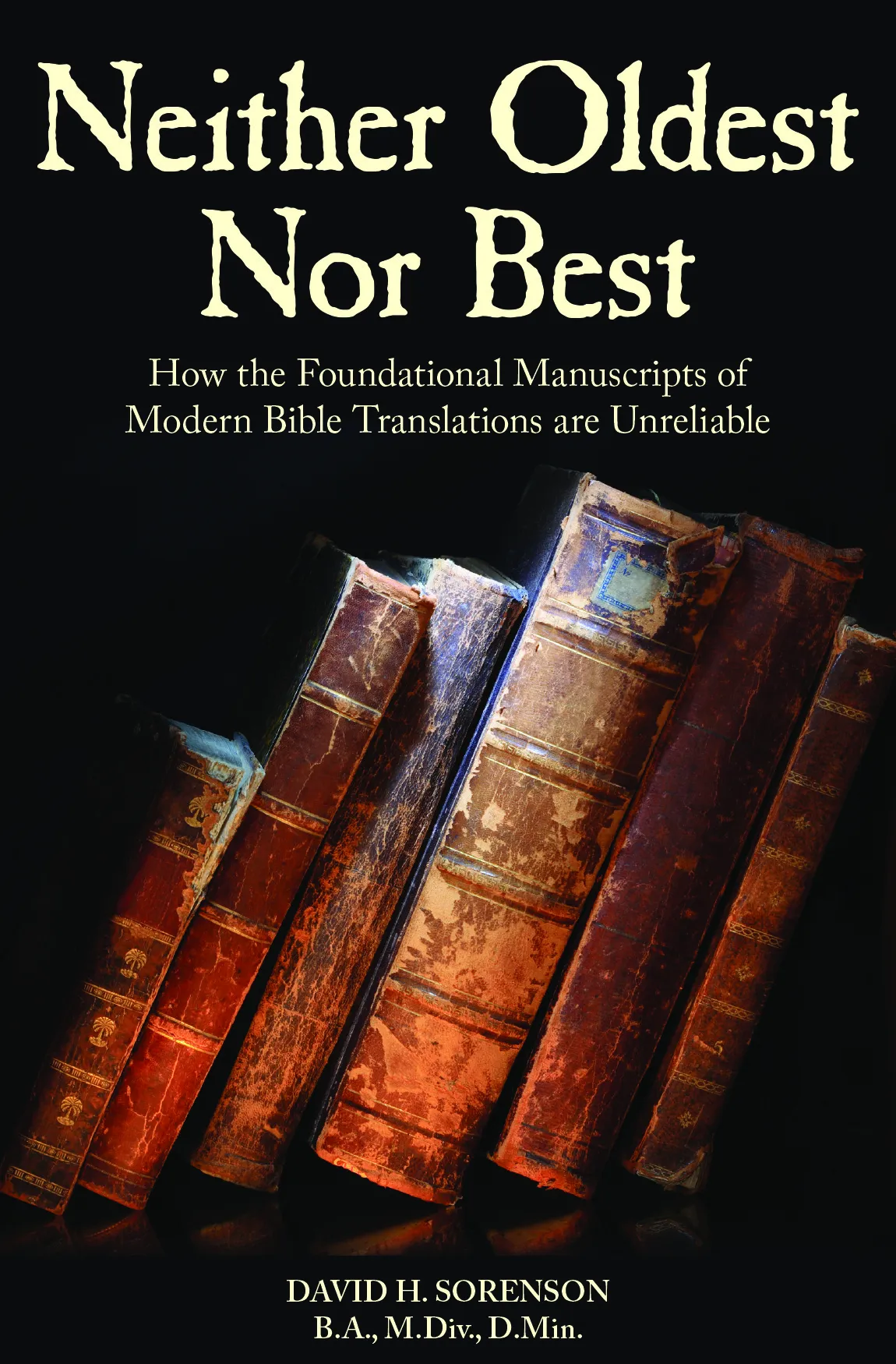
Depth matters as well. A retailer carrying only bestsellers and popular titles will eventually leave a serious student wanting more once the easy purchases are made. Look instead for a bible baptist bookstore that stocks material addressing harder subjects directly, including translation history and doctrinal controversy, rather than sticking exclusively to devotionals and gift books.
Building the Library Gradually
Nobody needs to buy an entire library at once. Start with one solid commentary. Add doctrinal works as specific questions arise in your own study or in conversations at church. Let curiosity and genuine need guide each purchase rather than trying to fill shelf space for its own sake.
A library built this way, one deliberate purchase at a time, tends to get used far more than one assembled in a single shopping trip based on impulse or a sale price. Each book earns its place because a real question or need prompted the purchase.
The Long-Term Payoff
A well-chosen commentary and a trustworthy source for future purchases together solve most of the friction that keeps people from studying Scripture consistently. The investment of time spent choosing carefully at the start pays back many times over across years of use.
Frequently Asked Questions
What is the most important resource to start a Bible study library?
A full-Bible commentary, since it gets used far more frequently than any other single resource and shapes understanding across the entire text.
How can someone test a commentary before committing to a full set?
Read its treatment of a passage you already find difficult and judge whether the explanation clarifies the text without requiring outside references.
Why does a commentary author's background matter?
Authors with real pastoral or teaching experience tend to write with more practical clarity than those working purely from an academic setting.
What should someone look for in a Christian bookstore beyond price?
Consistency of theological position across the catalog and depth of selection covering harder doctrinal and historical subjects, not just popular titles.
Is it better to buy an entire library at once or build it gradually?
Building gradually, purchase by purchase as real questions arise, tends to produce a more used and useful library than a single large purchase.
Does a commentary covering the whole Bible cost more than a partial set?
Coverage varies by publisher, but a complete set typically saves money and avoids inconsistency compared to purchasing multiple partial commentaries over time.
Where can someone find a full commentary and other resources from one consistent source?
A complete commentary set and a broader catalog of related titles are available from a bookstore built around a single, clearly stated theological position.
Project content
Created by you

























Sign in to leave a comment.