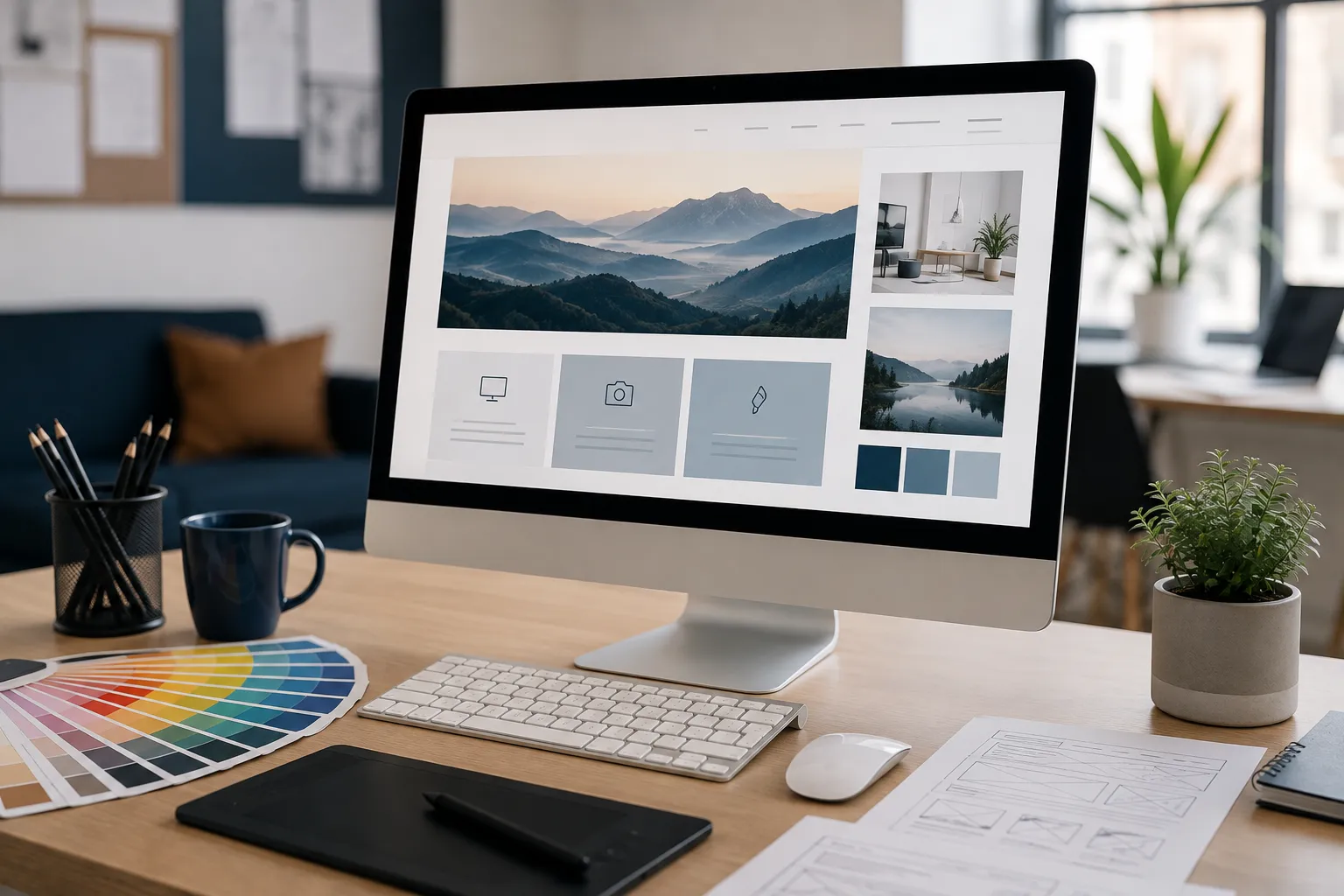


A professional website design agency Dubai can help businesses turn their websites into powerful first impressions. In today's digital environment, a website is often one of the first places potential customers interact with a brand. Before making a call, sending an enquiry, or visiting a business, people may explore its website to understand what it offers and whether it appears trustworthy.
A well-designed website can communicate professionalism within seconds. Clean layouts, responsive pages, clear navigation, compelling visuals, and useful content can work together to create a positive experience. More importantly, effective design should reflect the identity of the business rather than simply following temporary design trends.
Why the First Website Impression Matters
Visitors often make quick judgments about a website based on its appearance and usability. An outdated layout, confusing navigation, inconsistent branding, or poorly organized content can make a business appear less professional.
A modern website should immediately help visitors understand three things: who the business is, what it provides, and what they can do next.
A strong first impression can be supported through:
- A clear and engaging homepage layout.
- Professional images and visual elements.
- Easy-to-understand headlines.
- Consistent branding throughout the website.
- Simple and intuitive navigation.
- Clearly visible contact or enquiry options.
These elements help visitors understand the business without requiring them to search through multiple pages.
Creating a Website That Reflects the Brand
A website should feel like a digital extension of the company's identity. If the design looks completely disconnected from the company's branding, visitors may struggle to build a strong connection with it.
Colours, typography, imagery, icons, spacing, and page layouts can all contribute to brand recognition. For example, a corporate company may prefer a structured and professional visual style, while a creative business may use more expressive graphics and interactive elements.
Consistency is particularly important. The same visual language should generally continue across the homepage, service pages, about section, contact page, and other important areas.
A website design agency Dubai can help businesses develop a visual system that communicates their personality while maintaining a professional and consistent appearance.
Making Navigation Simple and Intuitive
An attractive website is not enough if visitors cannot find what they need. Navigation should make it easy for users to move between important sections without confusion.
A clear navigation menu can highlight key pages such as services, products, about information, resources, and contact details. Related pages can also be connected through internal links and strategically placed calls to action.
The content structure should follow the way customers think about the business. Instead of organizing information only according to internal company departments, businesses can structure pages around customer questions and needs.
For example, a visitor interested in a particular service should be able to understand what the service includes, why it is useful, what makes the business different, and how to get started.
Designing for Different Devices
A website's first impression should remain positive regardless of the device being used. Visitors may access the same website from smartphones, tablets, laptops, or desktop computers.
Responsive design allows page layouts to adapt to different screen sizes. However, mobile-friendly design involves more than reducing the size of desktop content.
Buttons should be easy to tap, text should remain readable, images should fit appropriately, and navigation should be simple. Forms should also be comfortable to complete on smaller screens.
Businesses that ignore mobile usability risk creating a frustrating experience for a significant portion of their audience.
Using Visuals to Communicate More Effectively
Images and graphics can make website content more engaging, but visual elements should have a clear purpose. High-quality photography, illustrations, icons, and videos can help explain products and services while supporting the overall brand identity.
However, too many visual elements can make a page feel crowded. Effective design creates a balance between visual appeal and useful information.
Whitespace is also valuable. Leaving enough space between sections, headings, images, and buttons can make content easier to scan and give the website a more polished appearance.
The best visual choices are those that support the message rather than distracting visitors from it.
Turning Visitors Into Potential Customers
A website should not only introduce a business; it should also guide visitors toward useful actions. Depending on the business model, these actions could include submitting an enquiry, requesting a quotation, making a booking, purchasing a product, or contacting the company.
Calls to action should therefore be clear and positioned where visitors are most likely to need them.
Examples include:
- Request a consultation.
- Get a quotation.
- Explore our services.
- Contact our team.
- View our portfolio.
- Book an appointment.
The wording should tell visitors exactly what will happen when they click. This removes uncertainty and makes the customer journey more straightforward.
Combining Creativity With Usability
Creative design can help a website stand out, but creativity should always support usability. Excessive animations, complicated menus, or decorative elements that slow down the website can negatively affect the user experience.
A balanced approach combines attractive visuals with practical functionality. Visitors should be able to enjoy the design while still finding information quickly and completing important actions without unnecessary steps.
This is why businesses should evaluate web design based on more than appearance. Performance, accessibility, responsiveness, navigation, content organization, and customer journeys are all important parts of the overall experience.
Conclusion
A website can play a major role in shaping how customers perceive a business. A strong first impression comes from combining professional branding, clear communication, responsive design, intuitive navigation, useful content, and purposeful visual elements.
Working with a website design agency Dubai can help businesses bring these elements together into a website that represents their brand effectively. Rather than treating a website as a simple online brochure, businesses can use thoughtful design to create a digital experience that builds trust, communicates value, and encourages visitors to take the next step.
FAQs
1. Why is the first impression of a website important?
A website is often one of the first points of contact between a customer and a business. A professional and easy-to-use website can help establish credibility and encourage visitors to explore further.
2. What makes a website look professional?
Consistent branding, clean layouts, readable typography, high-quality visuals, clear navigation, responsive design, and well-organized content can contribute to a professional appearance.
3. How can web design help generate enquiries?
Strategically placed calls to action, simple contact forms, clear service information, trust-building content, and an easy customer journey can encourage visitors to make enquiries.






















Sign in to leave a comment.