

Quality healthcare depends on a coordinated team. Doctors, nurses, therapists, technicians, aides, administrative professionals, and other workers all contribute to the patient experience. When one part of the workforce is understaffed, the effects can extend across an entire organization.
For this reason, healthcare leaders need staffing strategies that address both patient-facing and operational responsibilities. Direct care staffing can help organizations maintain adequate support for patients while allowing clinical teams to focus on responsibilities that require specialized training.
A thoughtful approach to workforce planning can improve flexibility, employee workload management, and the overall efficiency of healthcare operations.
Understanding Direct Patient Support
Direct care professionals often work closely with patients throughout their daily routines.
Depending on their role and qualifications, they may assist with personal care, mobility, meals, comfort, basic observations, and other appropriate activities.
Because these professionals frequently interact with patients, they may notice changes in behavior, mobility, appetite, mood, or general condition.
Communicating those observations to the appropriate clinical professionals can support better coordination of care.
Why Staffing Levels Matter
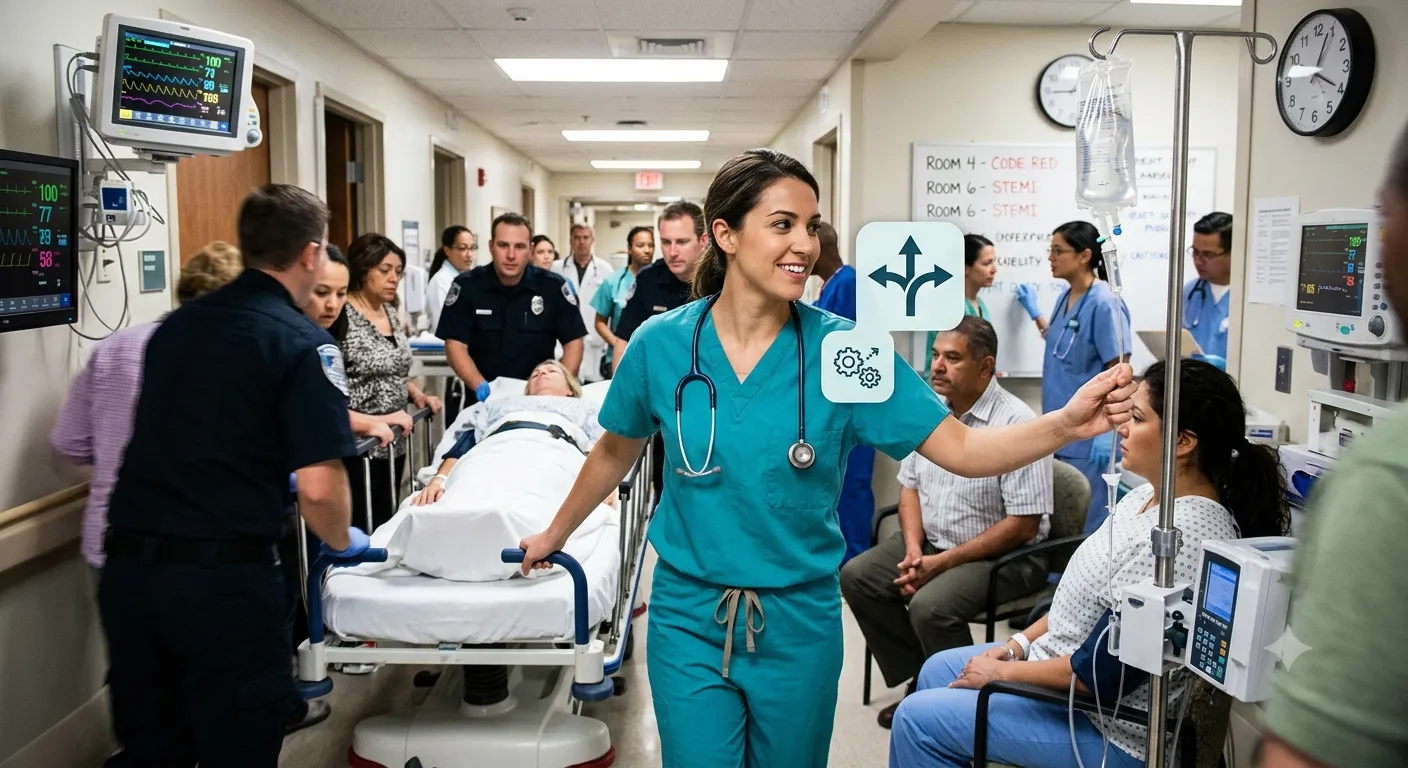
Healthcare facilities need enough employees to meet patient needs safely and efficiently.
When staffing levels are too low, existing employees may have to manage additional responsibilities. This can increase workload and make it more difficult for staff to provide the level of attention patients deserve.
Adequate staffing helps distribute responsibilities across the team.
It can also support employee morale by creating a more manageable working environment.
The Connection Between Staffing and Patient Experience
Patients interact with many different healthcare professionals during their care journey.
They may need assistance with daily activities, directions, appointments, communication, or other non-medical needs.
When enough staff members are available, patients may receive more consistent support.
A well-organized workforce can also help reduce unnecessary delays and improve communication between departments.
Supporting Nurses and Other Clinical Professionals
Clinical professionals often have demanding responsibilities.
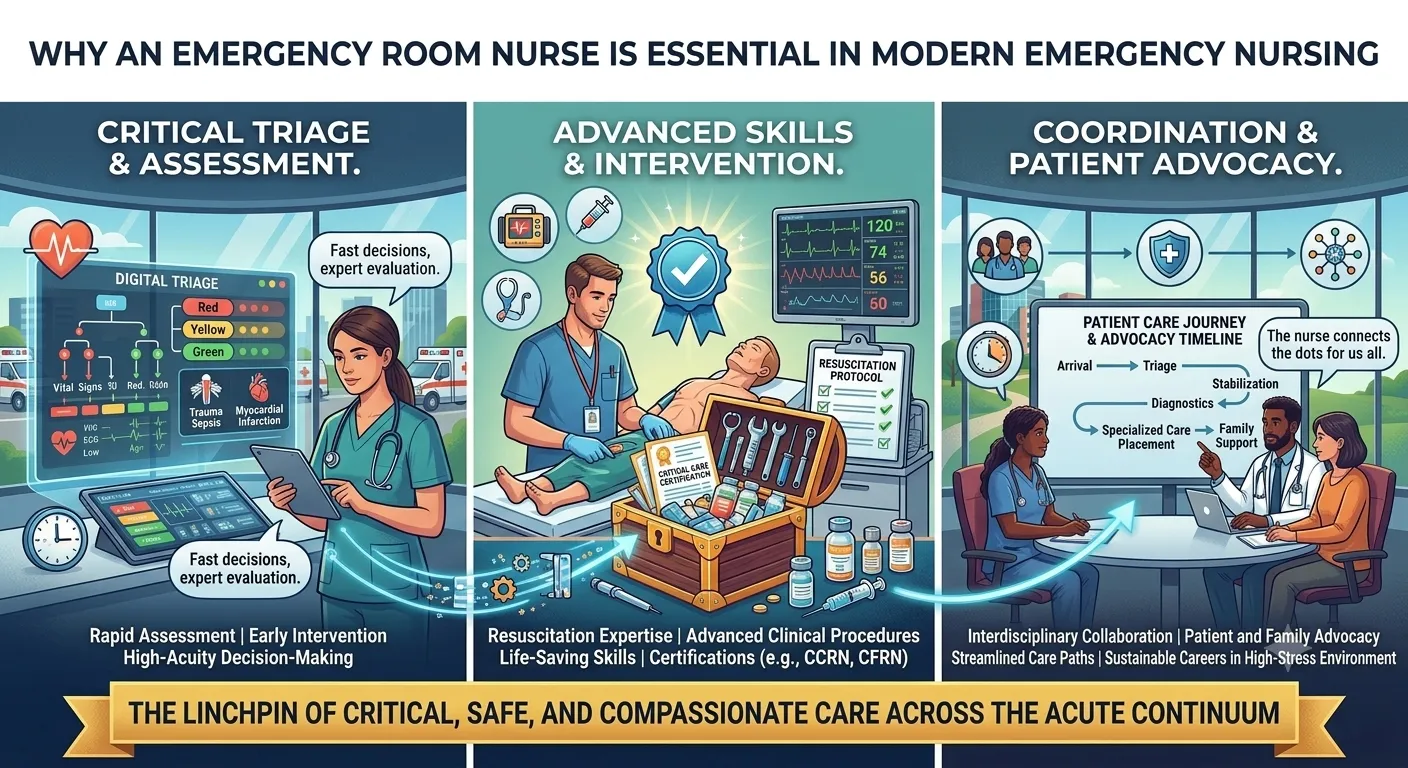
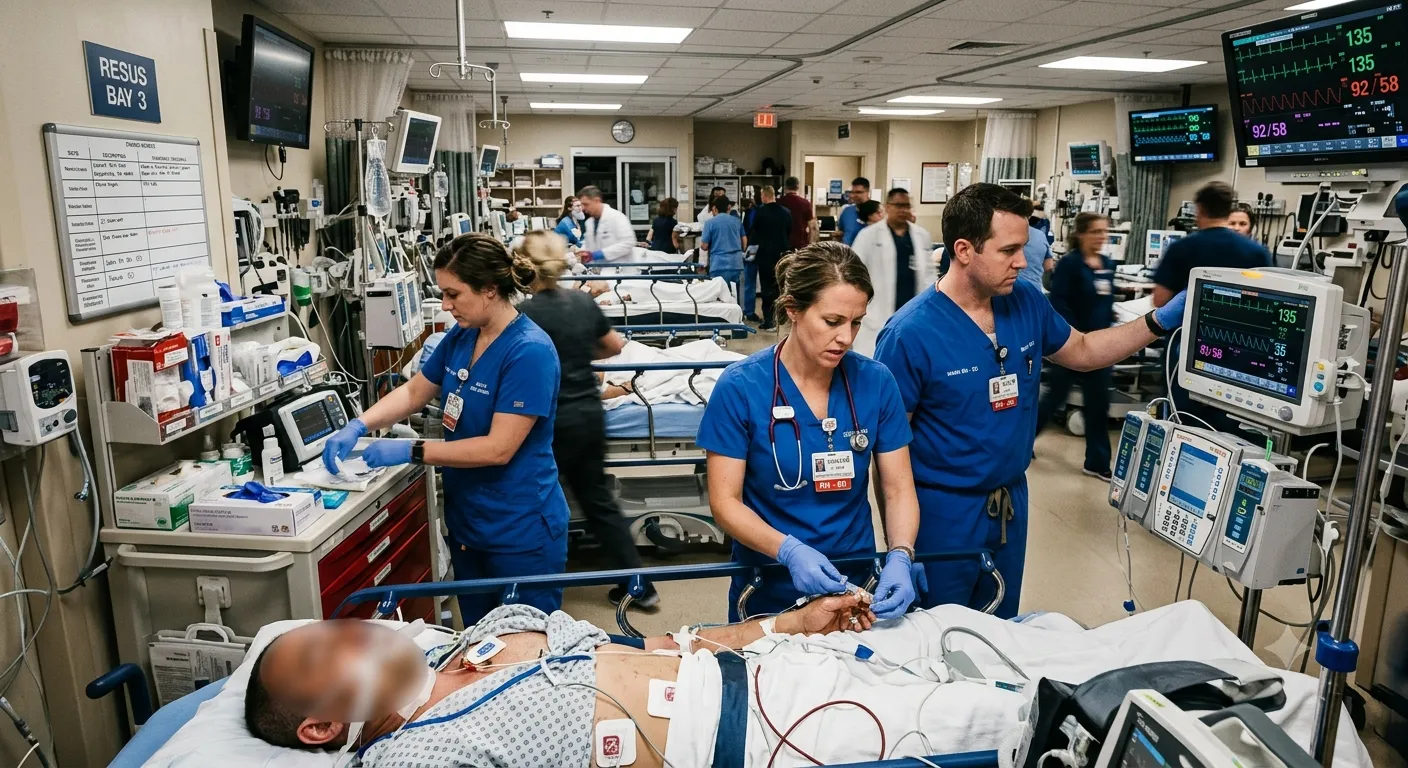
Nurses may need to monitor patients, administer medications, communicate with physicians, complete documentation, and respond to changes in patient conditions.
Qualified support professionals can assist with appropriate tasks within their scope of practice.
This can allow nurses and other clinicians to dedicate more attention to responsibilities that require their specialized education and judgment.
Managing Workforce Shortages
Healthcare organizations may experience staffing shortages for many reasons.
Employee turnover, unexpected absences, seasonal demand, increased patient volumes, and difficulty finding qualified candidates can all create workforce gaps.
These challenges can be particularly difficult for organizations that operate around the clock.
Flexible staffing solutions can provide additional workforce capacity when it is needed.
The Importance of Qualified Candidates
Staffing should never be based only on availability.
Healthcare organizations need professionals who have the appropriate qualifications, experience, reliability, and communication skills for their roles.
A strong recruitment process evaluates candidates carefully before placing them in healthcare environments.
This can help facilities find professionals who are better suited to their patient populations and workplace expectations.
Creating Better Workforce Matches
Every healthcare facility is different.
A professional who performs well in one environment may need additional experience or training before working in another.
For example, the needs of a long-term care facility can differ from those of a hospital or outpatient center.
Understanding these differences can help staffing professionals match candidates with appropriate opportunities.
Better matches can improve both employee satisfaction and organizational performance.
The Role of Flexible Staffing
Healthcare demand can change from week to week or even from day to day.
Facilities may need additional workers during busy periods or when permanent employees are unavailable.
Flexible staffing allows organizations to increase workforce capacity without immediately making long-term hiring commitments.
This can be particularly useful when a facility is experiencing temporary challenges.
Supporting Employee Well-Being
Workforce planning also affects employees.
Consistently high workloads can contribute to fatigue and frustration. When employees feel overwhelmed, morale may decline.
Adding qualified professionals during periods of increased demand can help distribute responsibilities.
Healthcare leaders can also support employee well-being through appropriate scheduling, clear communication, professional development, and supportive management.
Technology and Modern Workforce Management
Technology has become increasingly important in healthcare staffing.
Scheduling systems can help organizations track employee availability, manage shifts, and identify workforce gaps.
Digital recruitment platforms can also help employers communicate with candidates more efficiently.
However, technology should support rather than replace human decision-making.
Healthcare staffing involves people, and effective communication remains essential.
Building a Long-Term Staffing Strategy
Healthcare organizations can benefit from reviewing staffing needs regularly.
Instead of responding only when vacancies occur, leaders can examine workforce trends and identify positions that frequently experience shortages.
They can also evaluate patient volume, employee turnover, seasonal demand, and future organizational growth.
This information can support more proactive workforce planning.
Supporting Different Types of Healthcare Facilities
Staffing needs can vary considerably between healthcare settings.
Hospitals may require large teams across multiple departments. Residential care facilities may need consistent patient support throughout the day and night. Outpatient organizations may experience different scheduling patterns.
A flexible staffing strategy allows organizations to adjust according to their specific needs.
Why Administrative Support Also Matters
Patient care does not happen in isolation.
Administrative employees help manage appointments, records, billing, communication, scheduling, and other essential functions.
If these responsibilities are not handled efficiently, clinical teams may face additional administrative pressure.
A complete workforce strategy should therefore consider both patient-facing and operational roles.
Preparing for Future Workforce Needs
Healthcare organizations will continue to face changing workforce requirements.
Patient populations, technology, regulations, service models, and employee expectations can all influence staffing decisions.
Organizations that build adaptable workforce strategies can respond more effectively to these changes.
This means maintaining access to qualified professionals and developing recruitment processes that can adjust when circumstances change.
Conclusion
A strong healthcare workforce depends on having the right professionals in the right roles. Direct patient support can improve care coordination, reduce pressure on clinical teams, and contribute to a better patient experience.
At the same time, organizations need reliable professionals for scheduling, administration, coordination, records, and other operational responsibilities. Working with experienced non clinical healthcare staffing agencies can help healthcare organizations strengthen these areas while building a more balanced and flexible workforce.
FAQs
1. What is direct care staffing?
Direct care staffing involves recruiting and assigning qualified professionals who provide hands-on support and appropriate daily assistance to patients or individuals receiving care.
2. Why is adequate staffing important in healthcare?
Adequate staffing helps distribute workloads, support patient needs, reduce pressure on employees, and improve the overall efficiency of healthcare operations.
3. Can staffing solutions help during temporary shortages?
Yes. Flexible staffing can help healthcare organizations respond to employee absences, increased patient demand, seasonal changes, and other temporary workforce challenges.
4. Why are non-clinical employees important to healthcare organizations?
Administrative and operational professionals support scheduling, records, communication, coordination, billing, and other functions that help healthcare facilities operate efficiently.


























Sign in to leave a comment.