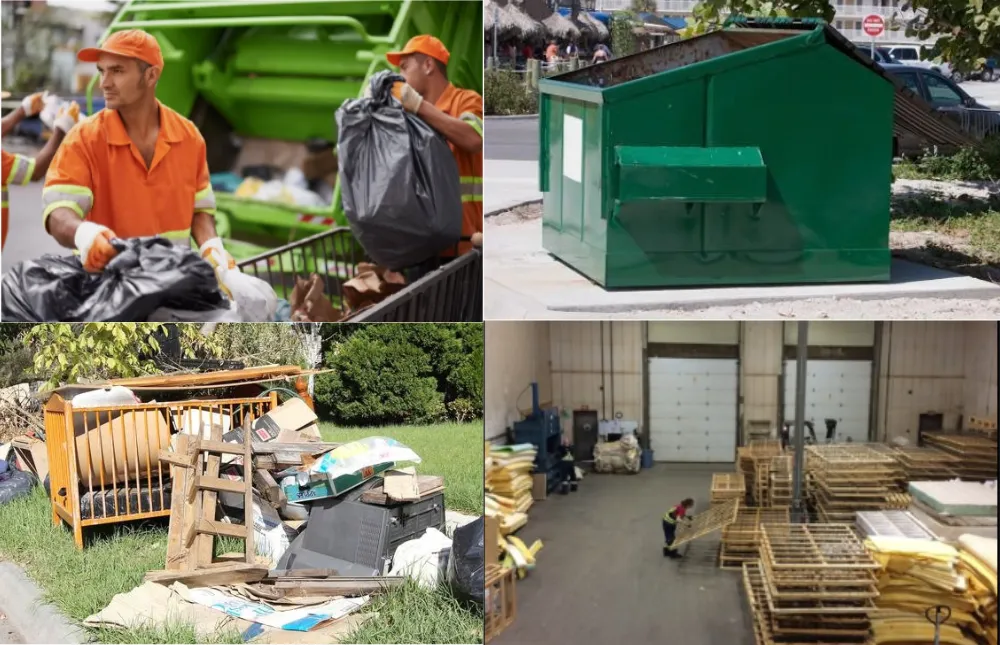
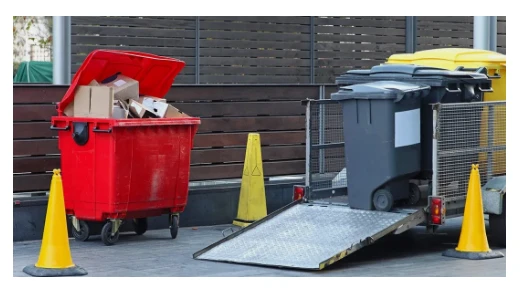
Hard waste piles up after a commercial office strip-out or a massive weekend clearance, and this waste is not just an eyesore, but you can also consider it a direct failure of site logistics. Across major cities in Australia, the default response for years was simple: toss everything into one massive bin and let the tips sort it out. But with the Australian State Landfill continuing to climb past $160 per ton in 2026, that lazy approach is destroying the margins really fast. Implementing smart bulk waste collection strategies isn't just an environmental flex anymore. It's a basic business necessity to keep operational costs from spiralling.
Separate Materials Before They Become A Mixed Load
One of the simplest waste collection strategies is also one that gets overlooked: Don't treat everything as rubbish. Metal, timber, cardboard, mattresses, green waste and general residual material can have very different recovery pathways. Once everything is thrown together, sorting becomes more challenging, and contamination can occur, reducing the practical value of otherwise recoverable materials. For a business involved in site clearing, this means planning the collection around the waste types rather than simply ordering the biggest available container.
Design Waste Collection Around Recovery
Good waste collection services should consider what happens after collection. It should not focus on just how quickly material leaves a property. Australia's waste hierarchy places resource recovery — including reuse, recycling and reprocessing — above disposal. This makes the downstream pathway an important part of the entire collection planning. For example, a commercial cleanout containing metal shelving, office furniture and damaged electrical equipment will need different handling from a load dominated by general residual waste. Trying to make one collection method fit both can be convenient, but convenience and recovery are not always the same thing.
Therefore, a more useful question for businesses is therefore not simply, "How Much Can Be Removed?" The main question is, "What Proportion Can Realistically Stay In Productive Use?"
Use Infrastructure That Supports Landfill Diversion
Collection vehicles are only one part of the system. Transfer facilities, sorting areas, recycling infrastructure and suitable downstream processors – everything influences what can actually be recovered. This is where Australian waste management gets complicated as state and territory laws differ. Likewise, local requirements can affect transport, storage, processing and disposal. The Australian Government's National Reporting Framework places greater emphasis on consistent waste classifications, infrastructure and material flows. This reinforces a practical point for homeowners: the cheapest-looking disposal option is not necessarily the most useful waste-management option.
A Practical Decision Check
- Before Arranging Bulk Removal, Consider:
- What materials are actually in the load?
- Which items present in the garbage could be reused or recycled?
- Does the collection method used during waste collection services encourage separation?
- Where will each material go after collection?
- Are restricted or hazardous materials being handled separately?
- Can the waste contractor explain the recovery pathway?
This short check can prevent a surprisingly large amount of unnecessary disposal.
FAQs
What Can't Go In Standard Council Bulk Pickup?
You can't put paint, chemicals, gas bottles, batteries or asbestos in bulk piles, and councils will leave the entire pile if they spot them. Always check your council's banned items list online before you stack anything on the verge for collection.
How Do I Keep Costs Down On A Big Home Cleanout?
Separate scrap metal and clean timber first, as many Adelaide depots take them free or cheap, which cuts your main bin weight dramatically. Booking bulk waste collection mid-week avoids weekend surcharges, and dropping small loads yourself to the transfer station saves on transport fees.
Are There Ongoing Waste Collection Services For Small Businesses?
Yes, many Adelaide operators offer tailored weekly pickups for cardboard, general waste and soft plastics that cost less than repeated skip hires and keep you compliant. Many providers offer free waste audits to set up waste collection services that stop overflow fines and site mess.
Does Pre-Sorting Really Improve Landfill Diversion?
Absolutely, sorted loads can hit 70-80% diversion through local resource recovery markets versus under 30% for mixed loads that go straight to landfill. Metal, timber and e-waste have established buyers in South Australia, but mixed loads are too labour-intensive to sort after collection.
How Far Ahead Should I Book a Bulk Collection In Adelaide?
Council bookings are currently 4-6 weeks out in Tea Tree Gully and Playford during peak spring and summer turnover, so you need to plan early. Private bulk bins are usually 2-3 days if you avoid end-of-month dates when every rental vacates hits at once.
Closing
Landfill pressure isn't about not caring; it's timing and sorting before the truck shows.
Get the split right, and you halve your fee. It's giving common sense with grunt work attached. If a pile's building, run it past your local depot for a quick split price first.






















Sign in to leave a comment.