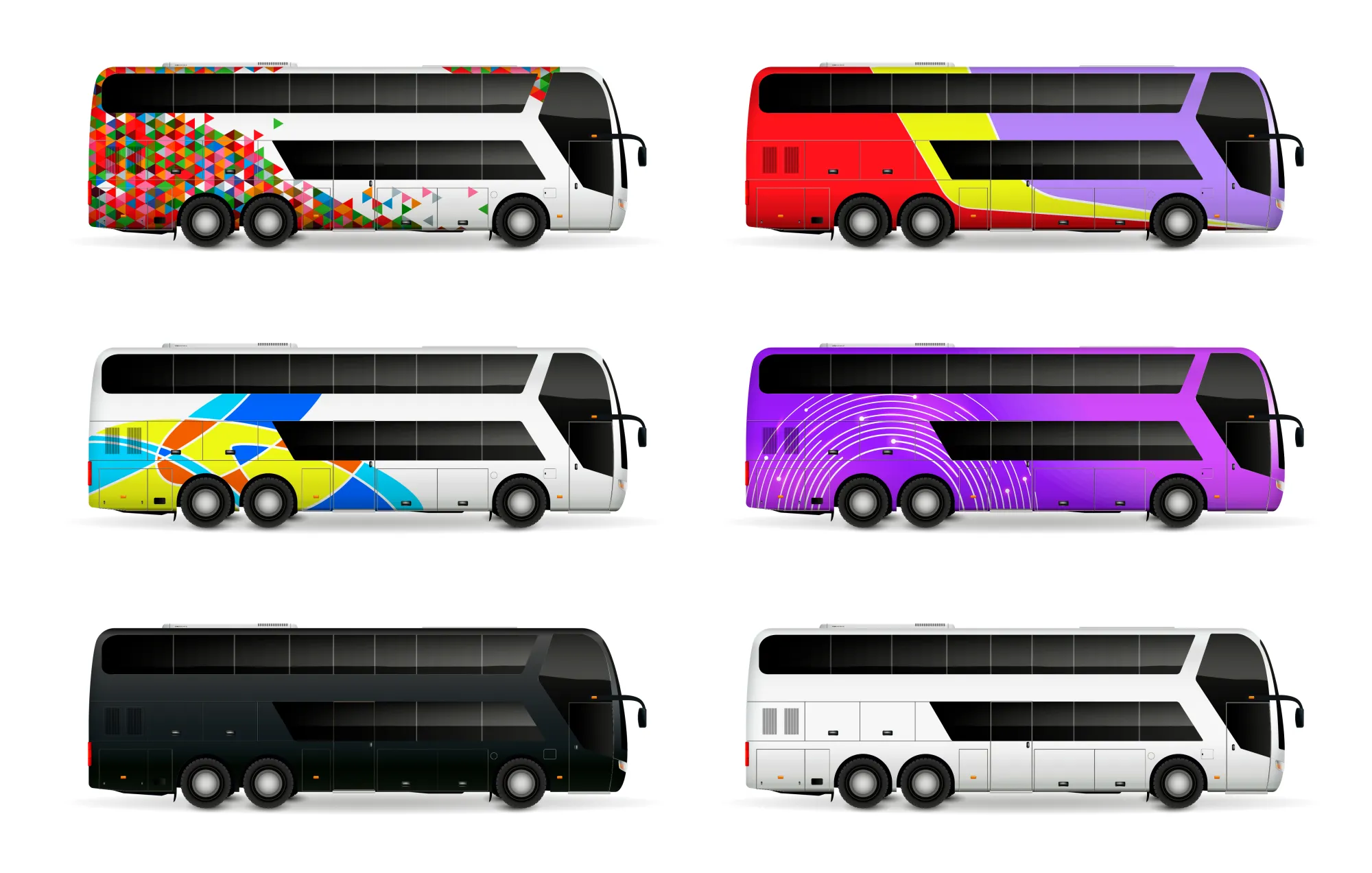

A bus offers significantly more advertising space than most vehicles. However, more space does not automatically create stronger advertising.
The real decision often comes down to coverage. Should the design cover most available surfaces or focus on selected areas? Bus Wraps in Sydney can use either full wraps or partial graphics. The right choice depends on visibility, budget, branding, and campaign goals.
Understanding both options helps businesses use this large advertising surface more effectively.
What Is a Full Bus Wrap?
A full bus wrap covers most suitable exterior surfaces with printed or coloured vinyl.
This approach gives designers substantial creative freedom. Large graphics can extend across multiple panels and create an integrated appearance. Full bus wraps can work particularly well when visual impact is the main objective. They allow colours, imagery, and messaging to dominate the vehicle’s appearance.
However, large coverage still needs disciplined design. Filling available space without a clear hierarchy can weaken the message.
What Are Partial Bus Graphics?
Partial graphics cover selected sections rather than most exterior surfaces.
Branding may appear across side panels, rear areas, or other high-visibility sections. Existing vehicle colours can remain visible around those graphics.
Partial bus wraps can create strong recognition without requiring complete coverage. Their effectiveness depends heavily on placement and contrast.
Which Option Creates Greater Visual Impact?
Full coverage provides more opportunities for dramatic visual transformation. It can make a bus immediately distinctive within busy surroundings.
However, visibility is not determined by surface area alone.
A carefully positioned partial design can also attract attention. Strong typography and contrast can sometimes communicate faster than complicated full coverage.
Effective bus wraps should guide the viewer toward one main message first.
Large advertising space should support communication rather than encourage unnecessary content.
Think About How People See the Bus
People view buses from several positions.
Pedestrians may see them from the pavement. Drivers can approach from behind or pass alongside them. Other viewers may see the bus from considerable distance.
That means each major viewing angle needs consideration.
Side graphics usually provide substantial branding space. Rear graphics can reach drivers following the vehicle.
Good bus wraps consider these viewing conditions during design planning.
The message should remain understandable even when viewing time is limited.
Compare Costs Beyond Surface Coverage
Full wraps generally require more vinyl, production, and installation work. Partial graphics usually require less material.
However, coverage is not the only cost factor.
Design complexity, vehicle dimensions, surface features, and installation requirements can influence the overall project.
Businesses should therefore compare the complete scope rather than vinyl quantity alone.
Professional bus wraps should be planned around campaign objectives before deciding how much surface to cover.
Keep Advertising Messages Short
A bus is large, but viewers still have limited reading time.
Avoid treating its exterior like a brochure.
Start with the brand name. Then identify the product, service, event, or campaign being promoted.
Add a clear action when necessary. This could include a short website or memorable contact method.
Strong bus wraps establish information hierarchy instead of presenting every detail equally.
If viewers cannot identify the main message quickly, extra information provides little value.
Design Around Doors, Windows and Vehicle Features
A bus contains many structural elements that can interrupt artwork.
Doors, windows, lights, panel joins, vents, and access areas all affect graphic placement.
Important words should remain readable despite these features. Faces and important images also need careful positioning.
Designing on a flat template without considering the actual vehicle can create awkward results.
Professional bus wraps should work with the vehicle’s structure instead of fighting against it.
When Does a Full Wrap Make Sense?
Full coverage can suit campaigns requiring a major visual transformation.
It may work well when brand colours and imagery need to dominate the vehicle. It can also support concepts requiring graphics across connected areas.
Businesses should still keep the central message simple.
Large-scale design works best when viewers understand its purpose immediately.
When Are Partial Graphics More Suitable?
Partial graphics can suit focused campaigns and controlled budgets.
They work particularly well when the vehicle’s existing appearance supports the intended design.
They can also highlight selected areas without visually overwhelming the bus.
Successful partial bus wraps should still look deliberate and complete.
Choose Coverage Around the Campaign Goal
Neither option is automatically better for every advertising campaign.
Before choosing Bus Wraps in Sydney, decide what viewers should notice and remember. Then consider where those viewers will encounter the vehicle.
Full wraps offer extensive creative space. Partial graphics provide focused branding with less coverage.
The strongest choice connects coverage with purpose. When every graphic has a clear job, the bus becomes easier to understand and recognise.
























Sign in to leave a comment.