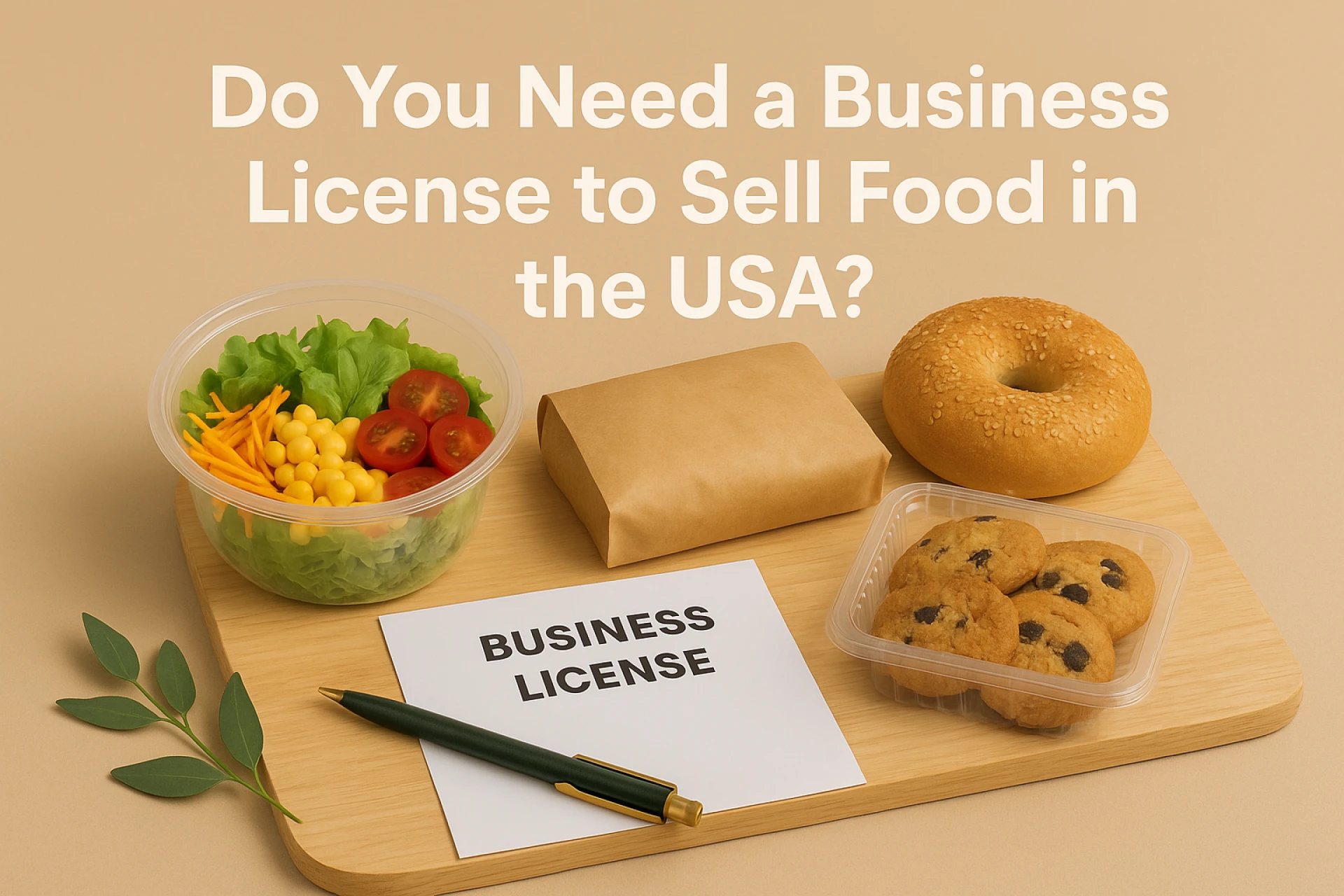

If you're planning to sell food in the USA—whether it’s from a food truck, home kitchen, farmers market stand, or a full restaurant—then yes, you need a business license. But that’s just the beginning. There are several permits and rules depending on where you live, what kind of food you’re selling, and how you're serving it.
In this guide, we’ll walk you through the basics in plain language, so you know what to expect when starting a food business.
What Is a Business License?
A business license is a legal document from your city or county that allows you to run a business. Without it, you can’t operate legally. Every type of food business, from street vendors to full-service restaurants, needs this license to register with local authorities and pay the correct taxes.
What Kinds of Food Businesses Need One?
Any business that sells food to the public must be licensed. This includes:
- Food trucks and trailers
- Farmers market stalls
- Home-based bakeries and snack makers
- Quick service restaurants
- Catering services
Even if you're selling fries and soft drinks from a pop-up cart, you need proper licensing.
Other Licenses You Might Need
Alongside a basic business license, you may also need:
- Health department permit (after inspection)
- Food handler certification (for you and your staff)
- Sales tax registration (if required by your state)
- Cottage food permit (if operating from home and selling low-risk foods)
Requirements vary by state, so it's best to check with your local city or county office.
How Branding Connects to Licensing
Once you're properly licensed, branding becomes an important part of your business growth. Whether you run a food truck or a small takeaway shop, clear branding helps customers remember you. Many businesses serving fries and snacks use printed French fry boxes to promote their brand with every order. This not only looks professional but also adds trust and marketing value to each sale.
State-by-State Differences
Every state (and even some cities) have unique food laws. For example:
- In Texas, food trucks must pass a fire inspection.
- In Florida, mobile food vendors need a commissary kitchen agreement.
- In Illinois, cottage food laws limit what you can sell from home.
No matter where you are, never skip checking your local health department's website for exact rules.
How Much Does It Cost?
Startup costs depend on location and business type. Here's a rough breakdown:
- Business license: $50 to $100 per year
- Health inspection/permit: $100 to $1,000+
- Food safety training: $10 to $100 per person
- Sales tax ID: Usually free
Some states bundle multiple permits into one fee, while others require separate applications.
Why It’s Worth It
Even though it takes time and paperwork, being fully licensed protects you. It keeps your business compliant, avoids fines, and makes customers feel safer buying from you. In today’s world, food safety and professionalism matter more than ever.
Final Thoughts
Yes, you absolutely need a business license to sell food in the USA. Depending on your setup, you may also need health permits, food handler cards, and sales tax registration. Make sure you research your city and state laws before serving your first customer. Start small, stay legal, and let your food—and brand—do the talking.










Sign in to leave a comment.