Natural dog treats can be a simple way to reward good behavior, add variety to a dog's routine, and provide chewing enrichment. However, choosing a natural treat is about more than selecting a product labeled "natural." Ingredients, preparation, texture, size, sourcing, and your dog's individual needs all matter when deciding which treats are appropriate.
If you plan to buy natural dog treats, look for products made with straightforward ingredients and minimal unnecessary additives. Single-ingredient treats can be particularly appealing because they make it easier to know exactly what your dog is consuming. It is also important to select treats that match your dog's size, age, chewing habits, and dietary requirements.
What Are Natural Dog Treats?
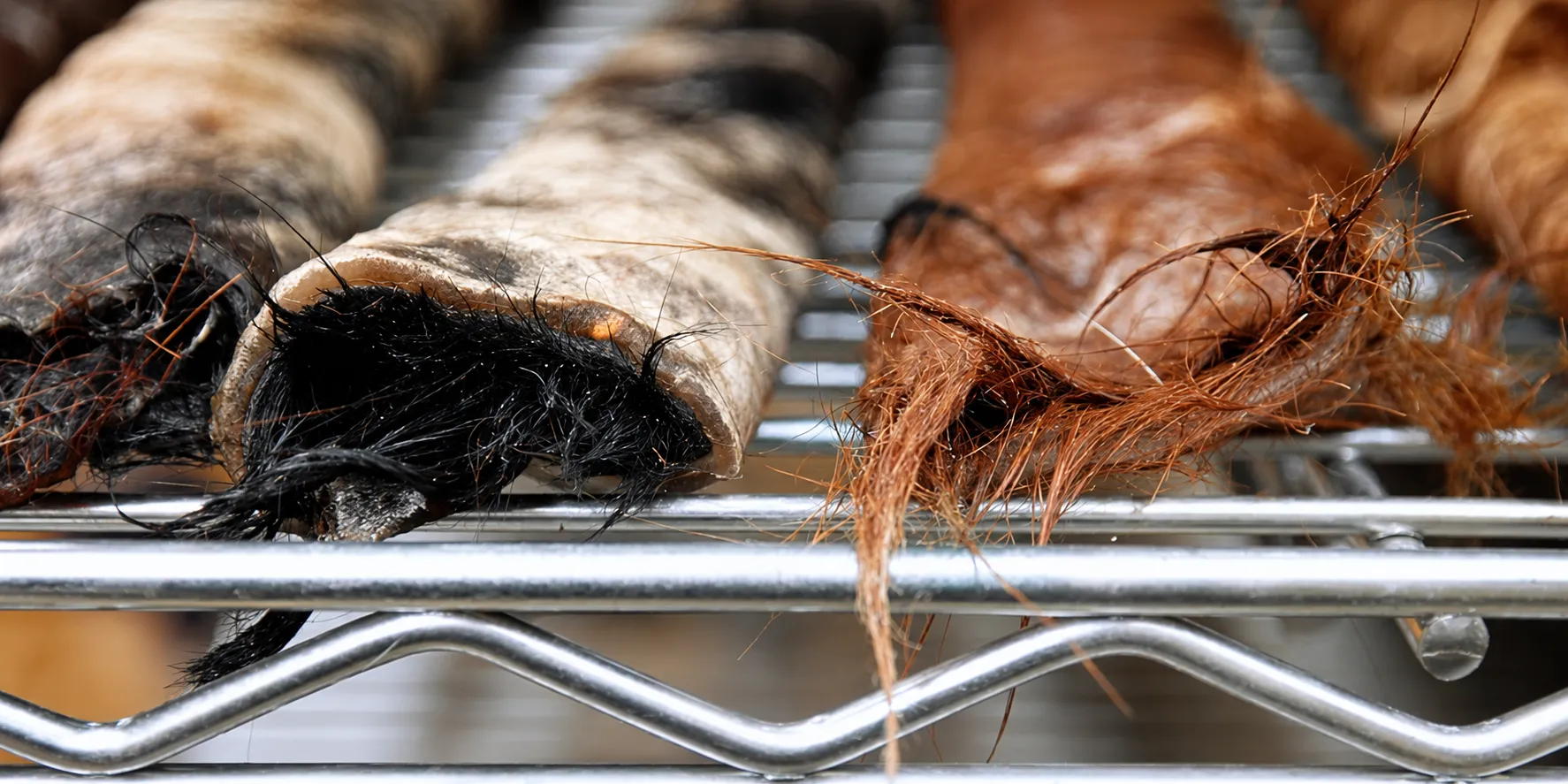
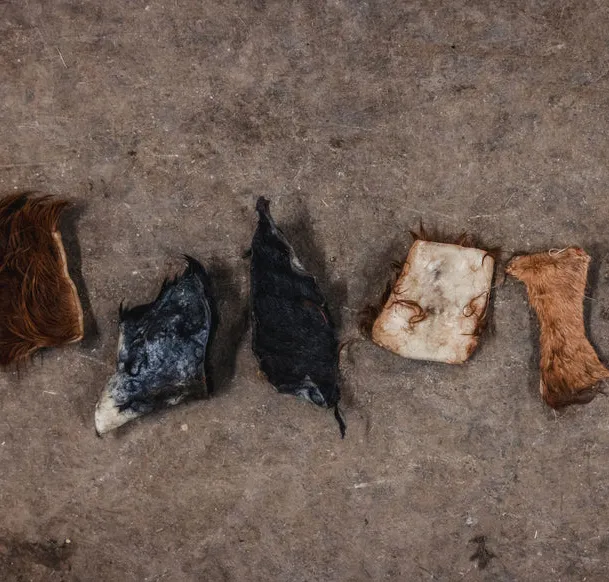
Natural dog treats are generally made from recognizable animal or plant ingredients with limited processing and fewer unnecessary additives. Depending on the product, they may include meat, organs, connective tissue, or other naturally sourced ingredients.
However, there is no single definition that makes every product labeled "natural" automatically better or safer. Reading the ingredient list and feeding instructions is still essential.
For pet owners, the goal should be to select treats with ingredients they understand and that fit comfortably into their dog's overall diet.
Why Choose Single-Ingredient Dog Treats?
Single-ingredient treats can make treat selection simpler. If a product contains only one primary ingredient, owners can more easily identify what they are feeding their dogs.
This can also be useful when monitoring a dog's response to different foods. If your dog has known food sensitivities, discuss suitable treats with your veterinarian before introducing anything new.
Ugly Chews focuses on single-ingredient natural dog treats, giving owners options that are straightforward and easy to evaluate based on the individual product.
What Should You Check Before Buying?
Before purchasing a natural dog treat, consider several important factors.
Ingredient List
Start by checking the ingredients. A short, recognizable ingredient list can make it easier to understand the product.
Look for treats that fit your dog's existing diet and avoid ingredients your veterinarian has advised you to avoid.
Treat Size
The size of the treat should match your dog. A treat that is suitable for a large breed may be inappropriate for a small dog.
Training treats can usually be smaller, while longer-lasting chews should be appropriately sized to reduce the risk of swallowing large pieces.
Texture
Texture matters, particularly for dogs that chew aggressively. Extremely hard treats may pose dental risks, while softer treats may be more suitable for certain dogs.
Consider your dog's chewing style rather than choosing a treat solely because it is marketed as long-lasting.
Feeding Instructions
Always check the manufacturer's feeding recommendations. Treats should complement a complete and balanced diet rather than replace regular meals.
Natural Dog Treats for Puppies
Puppies require additional care when selecting treats because their teeth, jaws, and digestive systems are still developing.
A treat that works well for an adult dog may not be appropriate for a puppy. Very hard chews and certain bone-containing products require particular caution.
When choosing treats for a puppy, consider age recommendations, size, texture, and chewing ability. Supervise your puppy whenever they are eating or chewing a treat.
If you are unsure whether a particular natural chew is appropriate, consult your veterinarian.
Natural Treats for Training
Treats can be especially useful during training. Small pieces can reinforce positive behaviors without providing excessive calories.
For example, you can use appropriately sized treats when teaching your dog to sit, stay, come when called, or walk calmly.
If your dog receives several treats during training sessions, keep portions small and account for those treats as part of the dog's daily food intake.
Natural Chews for Enrichment
Some natural treats are designed for chewing rather than quick consumption. Chewing can provide enrichment and give dogs an appropriate activity to focus on.
However, long-lasting does not necessarily mean risk-free. Dogs should be supervised while chewing, and treats should be removed when they become small enough to swallow or develop sharp or broken edges.
Choose the chew based on your dog's size, chewing strength, and individual behavior.
Are Natural Dog Treats Better?
Natural treats can be a good option when they contain appropriate ingredients and are suitable for your individual dog. However, "natural" alone does not determine whether a product is appropriate.
A good treat should fit within your dog's nutritional plan and be suitable for their age, size, health, and chewing habits.
Quality, safety, portion control, and appropriate supervision remain important regardless of how a treat is marketed.
Why Sourcing Matters
Where ingredients come from can also be an important consideration when purchasing natural treats. Responsible sourcing and careful processing can help support consistent product quality.
Ugly Chews works with family-owned farms in Wyoming, Utah, and Idaho and produces small-batch treats. Its approach focuses on simple ingredients and making use of naturally sourced animal parts.
For owners who value straightforward treats and responsible sourcing, checking the company's ingredient and product information can help determine which options fit their dog's routine.
How to Store Natural Dog Treats
Proper storage helps maintain treat quality. Follow the storage instructions provided with the product and keep treats in a clean, dry location.
Treats should generally be kept somewhere your dog cannot access independently. This prevents accidental overeating and allows you to control portions.
Always inspect treats before giving them to your dog. If a product appears spoiled, contaminated, or significantly different from its normal condition, discard it.
How Often Should Dogs Have Treats?
Treats should be given in moderation. Your dog's primary nutrition should come from a complete and balanced diet appropriate for their life stage.
The amount of treats a dog can have depends on factors such as size, activity level, age, existing diet, and overall health.
Small rewards can often be enough for training, while larger chews may be offered less frequently. Your veterinarian can provide personalized guidance if you are uncertain about appropriate portions.
Choosing Natural Treats From Ugly Chews
Ugly Chews provides a range of single-ingredient natural dog treats designed around simple animal-based ingredients. Options can include chews and treats intended for different types of chewing and enrichment.
Rather than choosing based only on appearance or marketing, compare the specific product's ingredients, size, texture, feeding guidance, and suitability for your dog.
This approach makes it easier to choose a treat that provides enjoyment while fitting into your dog's regular routine.
Final Thoughts
When you buy natural dog treats, focus on what is actually inside the package rather than relying only on the word "natural." Look for straightforward ingredients, appropriate sizing, suitable textures, responsible sourcing, and clear feeding recommendations.
Single-ingredient treats can be a convenient choice for owners who want a simpler ingredient profile. Brands such as Ugly Chews offer natural, single-ingredient options that can provide dogs with treats and chewing enrichment.
Most importantly, introduce new treats gradually, control portions, and supervise your dog when offering chews. A thoughtful approach can make natural treats a rewarding addition to a balanced canine diet.



















Sign in to leave a comment.