

A few months ago, a friend of mine spent an entire weekend visiting sites. By Sunday evening, he had collected seven brochures, three discount offers and a headache. When I asked which property he liked best, he laughed and said, "They all look perfect on paper."
That is the real problem with buying a premium property today. Almost every project looks impressive in a render. The difference shows up only when you ask the right questions. So instead of a standard buyer's guide, this article is built around the questions that matter, whether you are looking for a home, an office or an investment.
Why does the location matter more than the building?
You can renovate an apartment. You can redesign an office. You cannot move a road, a metro line or a school.
A good location quietly improves everything else. Your morning commute gets shorter, your guests find you easily, and your employees reach work without dreading the trip. When people talk about strategic locations, this is what they mean: access to workplaces, schools, hospitals, shopping and major roads, without being buried in the noisiest part of the city.
When you look at any project, test the location yourself:
- Drive there at 9 a.m. and again at 6 p.m.
- Check how long it takes to reach the nearest hospital and school.
- Walk around the neighbourhood and see what daily life looks like.
- Ask residents or shop owners nearby what they like and dislike about the area.
Ten minutes of honest observation will tell you more than any location map.
What does luxury-first design actually look like?
The word "luxury" is used so often that it has almost lost its meaning. A marble lobby does not automatically make a building luxurious.
In my view, real luxury shows up in the details that affect daily life. These include how much natural light a room gets, how quiet the corridors feel, how well the parking is planned and how smoothly the lifts work during busy hours. It also shows in whether the common areas are designed for people to actually use them, not just photograph them.
Good luxury residential properties are usually built on a simple idea: comfort should feel effortless. You should not have to think about the building. It should simply work.
If you are comparing options, here are a few things to look at on a site visit:
- Layout efficiency. Are the rooms practical, or is space wasted in long passages?
- Ventilation and light. Stand in the living room and the bedrooms at different times of day.
- Finishes. Look closely at doors, fittings, flooring and balcony railings.
- Common spaces. Check whether they feel open, clean and well maintained.
- Privacy. Notice how close the neighbouring units and towers are.
None of this needs technical knowledge. It only needs patience and a willingness to look carefully.
Does architecture really make a difference?
It does, and not only for appearance. Thoughtful architecture shapes how air moves through a building, how people enter and leave, how traffic flows inside the project and how well the property ages over the years.
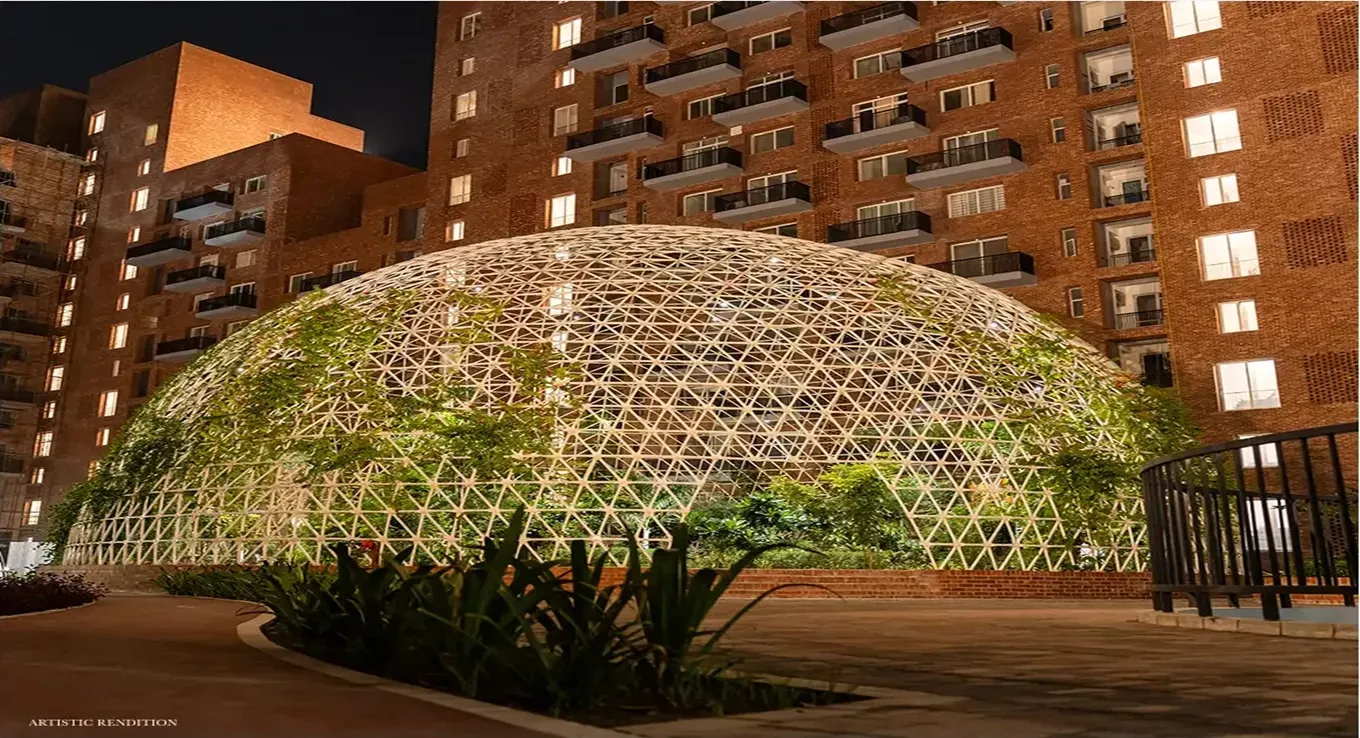
Cutting-edge architecture, when done properly, is not about odd shapes or flashy facades. It is about using modern planning and construction methods to make a space safer, more efficient and more pleasant to live or work in. A building can look striking on day one, but the real test is how it feels after five or ten years.
This is also why it helps to look at a developer's completed work, not only upcoming launches. Visit a delivered project if you can. Notice how it has been maintained and how the residents or tenants feel about it. That visit will often tell you more than a polished presentation.
Where do M3M Properties fit into this picture?
If you have been searching the NCR market, you have probably come across the name already. M3M Properties is associated with both residential and commercial real estate, which makes it relevant for different kinds of buyers. Some are looking for a family home. Others want an office space or a commercial unit. Some want a mix of both over time.
The listings on M3M website are organised around this range. You can browse residential and commercial options, look at new launch projects and see how each property is positioned in terms of location and design. Since availability, pricing and project stages change from time to time, it is best to check the website directly for the latest details instead of relying on old information or hearsay.
A useful way to use any property portal is to treat it as a starting point. Shortlist two or three options, note down your questions and then go and see the place in person.
What should I look for in premium commercial properties?
Buying a home is an emotional decision. Buying commercial space is more practical, but it still needs careful thought. Premium commercial properties are not just offices or shops with better interiors. They are spaces meant to support a business, attract clients and, in many cases, hold their value over time.
Here is what tends to matter most:
Visibility and access. Can customers and employees reach the place easily? Is there enough parking? Is the entrance easy to find?
Footfall and surroundings. For retail, nearby residential areas, offices and public transport all affect how many people pass by. For offices, the quality of the neighbourhood and available amenities matter for hiring and daily comfort.
Building quality and services. Reliable power backup, good lifts, security, fire safety and clean common areas are not optional. They affect your business every single day.
Flexibility of space. Will the layout still work if your team grows or your business changes direction?
Legal clarity. Confirm the approvals, ownership documents and any lease or resale conditions before you pay anything.
If you plan to rent the space out, think about who your likely tenants would be. A unit that suits a clinic may not suit a design studio, and vice versa. Knowing your target helps you choose better.
How do I know a project is safe to invest in?
This is the question that should come first, and many people ask it last.
RERA registration is the baseline. Every residential or commercial project that falls under the rules should have a registration number, and you can verify it on the official state RERA portal. Do not rely on a verbal assurance or a number printed on a brochure. Check it yourself.
Beyond that, a few steps can protect you:
- Ask for the project's approvals and read them, or have a lawyer do it.
- Understand the payment schedule and what happens if there are delays.
- Get the final price in writing, including maintenance, parking, club charges and taxes.
- Keep copies of every agreement, receipt and email.
RERA-verified properties give buyers a layer of transparency that was missing in the market earlier. It does not replace your own homework, but it gives you a proper place to begin.
Should I buy a new launch or a ready property?
Both have their place, and the right choice depends on your situation.
New launch projects often come with more flexible payment plans, a wider choice of units and modern designs. They suit people who are not in a hurry and can wait for possession. The trade-off is that you are buying something you cannot fully see yet, so trust in the developer's delivery record becomes very important.
Ready or near-ready properties let you see exactly what you are getting. You can check the construction quality, meet neighbours and move in sooner. The trade-off may be fewer choices and, sometimes, a higher price.
If you are unsure, ask yourself one simple question: how soon do I need this space? Your timeline often decides the answer.
What is the one thing people overlook?
Honestly, it is the budget beyond the price tag.
Many buyers calculate the cost of the property and stop there. But registration charges, interiors, furniture, maintenance, parking and moving costs can add up to a large amount. For commercial buyers, fit-out costs and licensing can be significant too. Build a realistic total budget before you fall in love with a unit. It will keep your decision calm and your finances comfortable.
A Simple Checklist Before You Decide
Before you sign anything, run through these points once more:
- Have I visited the site and the surrounding area at different times?
- Have I verified the RERA registration myself?
- Do I understand the full cost, not just the base price?
- Does the location suit my daily routine or business needs?
- Have I compared at least two or three options?
- Do I feel comfortable with the developer's track record?
If you can answer yes to most of these, you are probably making a well-informed choice.
Final Thoughts
Back to my friend with the seven brochures. He eventually made his decision by doing something very simple: he picked his top two options, visited each at different times of day, asked a lot of questions and slept on it for a week. He says it was the calmest property decision he has ever made.
That approach works whether you are exploring luxury residential properties for your family or premium commercial properties for your business. Good real estate is not about the loudest advertisement. It is about the right location, honest information and a space that fits your life.
If you would like to explore current options, you can browse residential and commercial listings from M3M Properties on website and plan a visit once you have a shortlist.
Note: This article is for general information only. Please confirm project details, approvals, pricing and availability with the developer and official sources before making any purchase decision.


















Sign in to leave a comment.