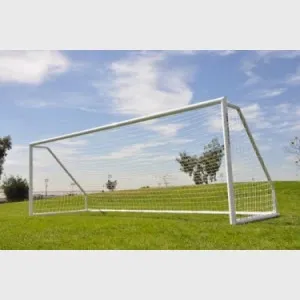

Buying a goal for young players takes more thought than it seems. The field is smaller, the players are younger, and local rules can differ. So, do not shop by looks alone. Before buying U6 soccer goals, check the goal size, field layout, frame, net, anchors, and how often staff will move them.
Check the League Rules First
Start with the rules for your league, club, or soccer program.
U6 does not mean every team uses one fixed goal size. Youth programs can set different field and goal rules. Some may use smaller goals for young players, while others may follow a set size for their matches.
So, check the required dimensions before you spend money.
Also, measure the field. The goal should fit the playing area without taking up too much room. If you manage several fields, measure each one before placing a large order.
Look at More Than the Goal Size
Getting the dimensions right is only the first step.
The frame also needs to handle repeated use. Youth teams may train several times a week, so staff will set up, move, and pack away the goals again and again.
Before buying, check:
- Frame material
- Joint and connection design
- Overall weight
- Outdoor use
- Net attachment points
- Available replacement parts
Weight deserves special attention. A lighter frame can make moving equipment easier. But the goal still needs enough stability for normal play.
What Makes a Net a Good Fit?
The net should match the goal frame in both size and design.
Check the width, height, depth, and attachment method before ordering. Do not assume that every youth net will fit every youth goal.
A poor fit can leave loose sections or gaps. It can also make setup more annoying than it needs to be.
Think about future repairs, too. Nets take plenty of wear during regular use. If the frame stays in good shape, replacing a worn net can keep the goal useful without buying a whole new setup.
Plan the Anchoring Before Game Day
A portable goal needs proper anchoring during use.
The correct anchor depends on the goal and the playing surface. So, check the manufacturer's instructions before buying the equipment.
This detail matters because field staff need to know more than where the goal goes. They also need to know how to secure it.
A good setup routine should cover:
- Positioning the goal.
- Attaching the net correctly.
- Installing the required anchors.
- Checking the frame and connections.
- Removing and storing the equipment after use.
Will Your Staff Move the Goals Often?
This is where a small detail can make a big difference.
Picture a club running several U6 practices on Saturday. Staff finish one session, move the goals, set up another area, and repeat the process later.
If that happens every week, easy movement matters.
Look for manageable frame weight and useful moving features when the goal design supports them. Also, check whether the goal can fit through gates, storage doors, and other access points.
A goal that works on paper may still cause headaches if staff struggle to move it around the facility.
Keep Older Age Groups in Mind
Youth clubs rarely serve just one age group.
A club may need equipment for U6 teams today and older groups as players move up. That makes it useful to keep each age level's equipment needs separate.
For example, U13 soccer goals may suit a larger field and different playing setup than goals used by the youngest players.
Do not buy one goal size for an entire club without checking the rules and field needs for each group.
Make Storage Part of the Purchase
Storage can become a problem if you ignore it.
Measure the space before ordering. Then check how the goal stores when it comes off the field.
Also consider the smaller items that go with it, such as nets, anchors, wheels, bags, and fasteners. These pieces need a place too.
If staff can move and store everything without a struggle, the equipment becomes much easier to manage throughout the season.
Concluding Thoughts
The right goal should fit more than the field. It should fit the way your team trains, plays, moves, and stores its equipment.
Start with the league rules and goal size. Then check the frame, net, anchors, portability, and storage space. These details matter far more than choosing a goal because it simply looks right.
When comparing U6 soccer goals, think about what coaches and field staff will deal with every week. A goal that fits the game and the daily routine will make practices easier from the first setup to the final pack-away.
























Sign in to leave a comment.