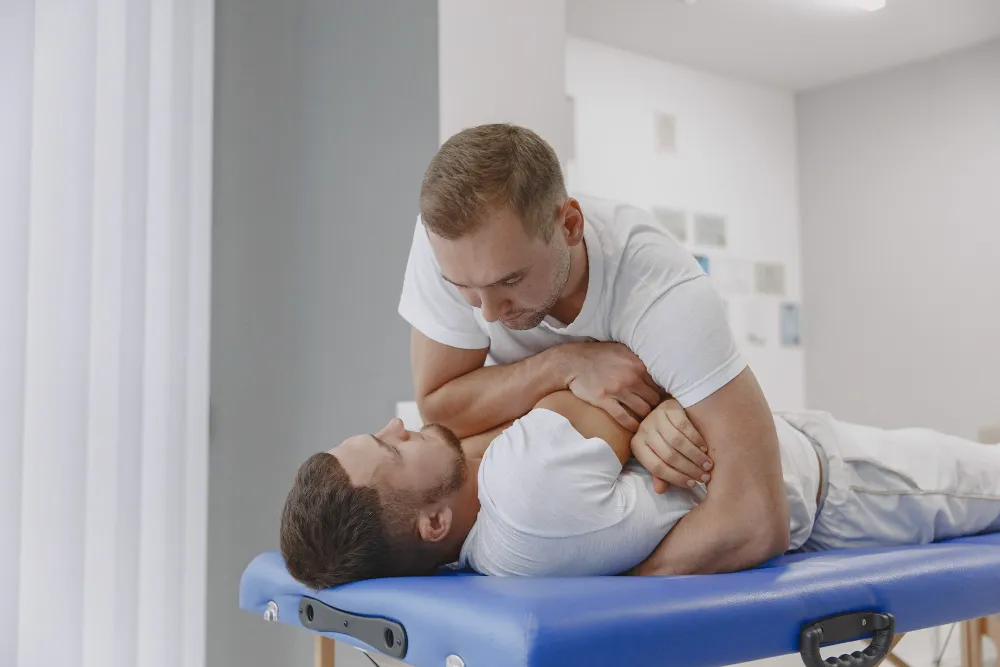

Neck pain is a common concern following a car accident because sudden movements and unexpected impacts can place considerable stress on the muscles, ligaments, and joints surrounding the cervical spine. Even minor collisions can lead to stiffness, tenderness, headaches, and restricted movement that interfere with everyday activities. Understanding how a chiropractor after car accident may help individuals experiencing neck discomfort can provide useful insight into available care options. A professional assessment can help identify potential musculoskeletal injuries, determine whether chiropractic care is appropriate, and guide individuals toward a suitable recovery plan based on their specific condition.
Understanding Neck Pain After a Car Accident
A car accident can cause the head and neck to move suddenly, placing strain on the soft tissues and structures supporting the cervical spine. This movement may lead to muscle strains, ligament injuries, and joint irritation that produce discomfort and reduced mobility. Rear end collisions are particularly associated with whiplash, although other types of accidents can also cause neck injuries. Symptoms may appear immediately or develop gradually over several hours or days. Understanding the possible causes of neck pain helps individuals recognize the importance of professional evaluation and appropriate treatment following an unexpected collision.
Common Causes of Accident Related Neck Pain
Whiplash is one of the recognized causes of neck pain following a motor vehicle collision. It occurs when the head moves rapidly forward and backward, placing stress on the neck's supporting structures. Muscle strains, ligament sprains, and irritation of cervical joints may also contribute to discomfort. In some cases, an accident can aggravate preexisting neck conditions, making previously manageable symptoms more noticeable. The severity of these injuries varies according to the impact and individual circumstances. A healthcare professional can assess the symptoms, examine neck movement, and determine whether further investigation is needed before recommending appropriate care.
Symptoms That May Develop After a Collision
Neck pain following an accident can involve several symptoms that affect comfort and mobility. Individuals may experience stiffness, muscle tenderness, headaches, shoulder discomfort, and difficulty turning their heads. Some may notice pain when sitting for extended periods, driving, working at a computer, or attempting ordinary household activities. Tingling, numbness, or weakness in the arms can indicate possible nerve involvement and requires prompt medical evaluation. Symptoms may change as the body responds to an injury, making careful monitoring important. Recognizing these changes can help individuals communicate effectively with healthcare professionals and obtain appropriate assessment.
Can a Chiropractor After Car Accident Help With Neck Pain?
A chiropractor after car accident may help selected individuals manage certain musculoskeletal symptoms associated with neck injuries, provided serious conditions have been ruled out and chiropractic care is considered appropriate. A chiropractor may assess posture, comfortable movement, muscle tenderness, and functional limitations to understand the individual's condition. Depending on the findings, care may include gentle mobility exercises, rehabilitation guidance, and recommendations for managing everyday activities. Chiropractic treatment is not suitable for every accident related injury, particularly when fractures, spinal instability, or significant neurological problems are suspected. Medical evaluation is important before beginning treatment to establish a safe and appropriate approach.
The Importance of a Professional Assessment
A professional assessment helps identify the possible source and severity of neck pain after a collision. Healthcare providers may review the accident history, ask about symptoms, examine movement, and assess neurological function when appropriate. Depending on the findings, diagnostic imaging or referral to a medical specialist may be necessary. This process helps distinguish common soft tissue injuries from more serious conditions that require different management. A chiropractor should recognize the limits of chiropractic care and refer individuals for medical evaluation when concerning signs are present. An accurate assessment provides a foundation for determining which treatment options may be suitable.
How Chiropractic Care May Support Neck Pain Management
For individuals who have been medically assessed and are suitable candidates, chiropractic care may form part of a broader approach to managing musculoskeletal neck discomfort. Depending on the diagnosis, treatment recommendations may include gentle movement guidance, posture education, supervised exercises, and strategies for reducing unnecessary strain. The approach should be tailored to the individual's symptoms, injury severity, and recovery progress. Any manual therapy should be selected cautiously, especially during the early stages of an injury. Forceful neck manipulation may be inappropriate for some patients following a collision. Healthcare professionals should explain the potential benefits, limitations, and risks of each proposed treatment.
Improving Neck Mobility
Neck stiffness can make routine activities such as turning the head, checking blind spots, or looking down at a screen uncomfortable. When medically appropriate, gentle range of motion exercises may help individuals gradually restore comfortable movement. A qualified healthcare professional can demonstrate suitable movements and explain how to perform them without placing excessive stress on injured tissues. Exercises may be adjusted according to pain levels, flexibility, and progress during recovery. Individuals should avoid forcing restricted movements or continuing activities that significantly increase discomfort. Gradual improvement in mobility can support everyday function, although recovery timelines differ depending on the nature of the injury.
Addressing Muscle Tension
Muscle tension may develop after a collision as the body responds to pain and attempts to protect injured areas. Tightness in the neck and shoulders can contribute to discomfort, restricted movement, and difficulty maintaining comfortable posture. Depending on the injury, a healthcare professional may recommend gentle stretching, therapeutic exercises, or other suitable conservative approaches. Guidance on comfortable positioning and appropriate activity levels may also help individuals manage everyday strain. Treatment should be adapted to the individual's response, with attention to symptoms that worsen or fail to improve. Persistent muscle discomfort may require additional medical assessment to identify contributing factors.
The Role of Rehabilitation in Recovery
Rehabilitation can be an important component of recovery for individuals experiencing neck pain after a car accident. A personalized program may focus on gradually restoring flexibility, strength, coordination, and functional movement. Depending on the injury, exercises may include gentle neck movements, shoulder strengthening, and exercises that support posture and upper back stability. A physical therapist or another qualified professional can recommend appropriate activities and monitor progress. Rehabilitation should progress gradually rather than placing sudden demands on injured tissues. Consistent participation in a suitable program may help individuals regain physical function and return to everyday responsibilities according to their recovery needs.
Strengthening Supporting Muscles
The muscles surrounding the neck, shoulders, and upper back help maintain stability and support normal movement. Following an injury, pain and reduced activity may contribute to weakness or decreased endurance in these areas. When appropriate, supervised strengthening exercises can help rebuild muscle capacity and improve functional support. Exercise selection depends on the individual's diagnosis, pain levels, and physical abilities. A rehabilitation professional can demonstrate correct techniques, recommend suitable repetitions, and adjust activities as recovery progresses. Strengthening should not cause significant pain or aggravate symptoms. A gradual approach helps individuals develop physical tolerance while respecting the healing process.
When Chiropractic Care May Not Be Appropriate
Although chiropractic care may be considered for some musculoskeletal injuries, it is not appropriate for every person experiencing neck pain after a collision. Suspected fractures, spinal instability, severe ligament injuries, or significant neurological symptoms require medical assessment and management. Individuals experiencing severe or worsening neck pain, numbness, weakness, difficulty walking, or loss of coordination should seek prompt medical attention. Severe headaches, confusion, fainting, or repeated vomiting following an accident may also indicate a serious condition requiring emergency care. Chiropractic treatment should only be considered when the individual's condition has been appropriately assessed and the proposed approach is considered safe.
Understanding Treatment Limitations
Chiropractic care may help address certain musculoskeletal symptoms, but it cannot guarantee recovery or correct every type of accident related injury. The effectiveness of treatment depends on the underlying condition, injury severity, individual health, and response to care. Some individuals may require medical management, physical therapy, specialist evaluation, or a combination of services. A responsible provider should explain the expected goals of treatment and discuss alternative options when appropriate. Individuals should be encouraged to ask questions about treatment techniques, potential risks, and progress monitoring. Clear expectations and regular reassessment can help ensure that care remains suitable throughout recovery.
Everyday Habits That May Support Neck Recovery
Daily habits can influence comfort and activity tolerance while recovering from an accident related neck injury. Maintaining a comfortable sleeping position, adjusting computer screens to a suitable height, and taking breaks during prolonged sitting may help reduce unnecessary strain. Individuals should follow professional advice regarding exercise, driving, lifting, and other activities that may aggravate symptoms. Gentle movement may be encouraged when appropriate, while strenuous activity may need temporary modification. Adequate rest, balanced nutrition, and appropriate hydration support general well being. These measures should complement professional assessment and treatment rather than replace medical care when symptoms require further investigation.
Returning to Normal Activities Gradually
Returning to normal activities after a collision should depend on symptom improvement, injury severity, and professional recommendations. Individuals may initially need to modify work responsibilities, reduce heavy lifting, or take additional breaks during activities that place stress on the neck. As comfort and mobility improve, everyday tasks can gradually be reintroduced. Healthcare professionals can help establish appropriate activity goals and identify signs that indicate the need for adjustments. Individuals should avoid rushing their recovery or comparing their progress with others. A gradual return to regular activities can help support functional improvement while reducing the risk of aggravating an existing injury.
How to Choose Appropriate Chiropractic Care
Choosing a qualified provider is an important consideration for individuals exploring chiropractic care after a car accident. A suitable professional should review the individual's medical history, understand the circumstances of the collision, and perform an appropriate assessment before recommending treatment. Individuals may ask about experience with musculoskeletal injuries, the proposed treatment approach, possible risks, and expected follow up. Providers should communicate clearly, respect individual concerns, and refer patients for additional medical evaluation when necessary. Treatment recommendations should be based on clinical findings rather than a standard approach for every patient. Collaboration with other healthcare professionals may be beneficial when injuries require coordinated care.
Conclusion
Neck pain after a car accident can affect mobility, comfort, and the ability to manage everyday responsibilities. A chiropractor may help selected individuals with certain musculoskeletal symptoms through appropriate assessment, gentle movement guidance, and supportive rehabilitation when medically suitable. However, serious injuries must be ruled out before chiropractic treatment begins, and persistent or worsening symptoms should receive further medical attention. A personalized recovery plan, gradual activity, and regular monitoring can help support functional improvement. Lakewood Injury Chiropractic can be considered by individuals exploring chiropractic assessment and supportive musculoskeletal care after an accident, with recommendations tailored to their clinical findings and individual recovery needs.


























Sign in to leave a comment.