

A damaged or severely decayed tooth does not always need to be removed. In many cases, modern dental treatment can help preserve the natural tooth and restore its function. One of the most common procedures used for this purpose is a root canal. Understanding when this treatment may be recommended and what to expect can help patients make informed decisions about their dental health.
What Happens When a Tooth Becomes Infected?
Inside every tooth is a soft area called the dental pulp, which contains nerves and blood vessels. Deep decay, repeated dental procedures, cracks, or trauma can damage this tissue and allow bacteria to cause an infection.
Common Signs of an Infected Tooth
Symptoms can vary from person to person, but some common warning signs include:
- Persistent or severe tooth pain
- Sensitivity to hot or cold
- Pain when chewing or biting
- Swollen or tender gums
- A pimple-like bump on the gums
- Darkening or discoloration of a tooth
Sometimes an infected tooth causes very little discomfort. This is why regular dental examinations are important, particularly when a tooth has previously experienced significant decay or injury.
How Does Root Canal Treatment Save a Tooth?
A root canal is designed to remove infected or damaged pulp from inside the tooth. After the affected tissue is removed, the dentist carefully cleans and disinfects the internal space before sealing it to help prevent further infection.
Protecting the Natural Tooth
One of the main advantages of root canal treatment is that it allows the natural tooth to remain in place. Keeping the original tooth can help maintain normal chewing function and prevent neighboring teeth from shifting into the empty space.
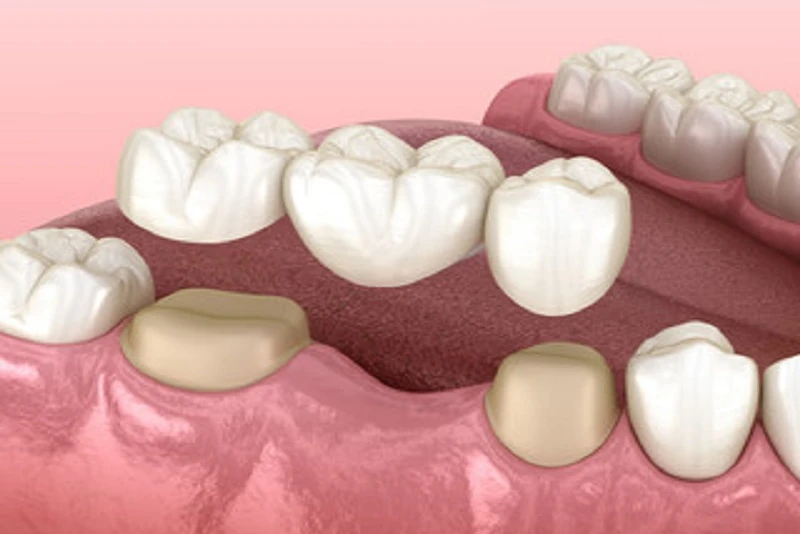
After the root canal is completed, the tooth may require additional restoration, such as a dental crown, depending on how much healthy tooth structure remains. A crown can provide additional strength and protection against future damage.
Is Root Canal Treatment Painful?
Many people associate root canals with significant discomfort, but modern dental techniques are designed to make the procedure much more comfortable. Local anesthesia is commonly used to numb the area before treatment begins.
Some tenderness or sensitivity may occur after the procedure, particularly while the surrounding tissues recover. Patients should follow their dentist’s instructions and report unusual or persistent discomfort.
When Should You Consider Treatment?
Prompt dental evaluation is important when symptoms suggest that the pulp may be infected or damaged. Delaying treatment can allow an infection to progress and may make saving the tooth more difficult.
Patients searching for root canal treatment in Ingleside should schedule an examination if they experience persistent tooth pain, swelling, sensitivity, or discomfort when biting. A dentist can evaluate the tooth, take appropriate X-rays when necessary, and determine whether root canal treatment is the right option.
Early Treatment Can Make a Difference
Not every painful tooth needs a root canal. Tooth sensitivity or pain can have several causes, including cavities, gum problems, cracks, or other dental conditions. A professional examination is the best way to determine the source of the problem and recommend suitable treatment.
What Happens After a Root Canal?
Following treatment, good oral hygiene remains important. Patients should continue brushing twice daily, cleaning between their teeth, and attending regular dental checkups. If a crown or other restoration is recommended, completing that treatment can help protect the tooth and restore its normal function.
With appropriate care, a tooth that has received root canal treatment can continue to serve as part of a healthy smile for many years.
In Conclusion: Palm Tree Dental
A damaged or infected tooth does not necessarily mean losing your natural tooth. Root canal treatment can remove infection, protect remaining tooth structure, and give the tooth an opportunity to continue functioning normally. Recognizing warning signs and seeking professional care early can be an important step toward preserving your smile.
Palm Tree Dental provides comprehensive dental care in Ingleside, Texas, including root canal treatment and other restorative services. If you are experiencing persistent tooth pain or other concerning symptoms, a professional dental evaluation can help determine the most appropriate treatment for your needs.
























Sign in to leave a comment.