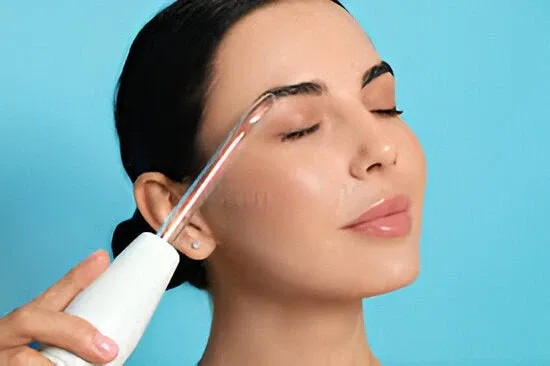

Skincare trends come and go, but tools that promise clearer, smoother-looking skin continue to attract attention. One device that has gained popularity among skincare enthusiasts is the high frequency face wand. Often featured in at-home beauty routines, this handheld tool is designed to deliver a mild electrical current through a glass attachment placed against the skin.
You may have seen videos of people gliding a glowing glass electrode across their cheeks, forehead, or chin. The process can look unusual at first, but the idea behind it is relatively simple. The device uses electrical energy to create a gentle effect at the skin's surface, and some models produce small amounts of ozone as part of their operation.
People commonly explore this treatment to help manage occasional breakouts, improve the appearance of their complexion, and add a professional-style step to their beauty routine. However, not every benefit advertised online is supported by strong scientific evidence. Understanding what the device can realistically do is important before investing in one.
In this guide, we will explain how the technology works, what benefits may be possible, how to use it responsibly, and which precautions deserve your attention. Whether you are new to skincare gadgets or simply curious about adding another tool to your routine, you will find practical information to help you make an informed decision.
What Is a High Frequency Face Wand?
A high frequency face wand is a handheld skincare device that passes a high-frequency electrical current through a specially designed glass electrode. Depending on the model, the electrode may be shaped like a mushroom, a narrow point, or a curved attachment that fits different areas of the face.
When switched on, the device may produce a faint buzzing sound and a soft violet, pink, or orange glow. The color generally depends on the gas inside the glass electrode. Different gases produce different colors when electricity passes through them.
The tool is commonly marketed for cosmetic purposes, particularly for people who want to address blemish-prone skin or improve the overall appearance of their complexion.
Unlike a facial cleanser, which removes oil, sweat, and dirt, this device works through electrical energy rather than simply washing the skin. It is also different from a moisturizing cream, which helps support the skin's protective barrier.
Think of it as an optional skincare accessory rather than a replacement for the basics. A useful routine still depends on gentle cleansing, appropriate moisturizing, and regular sun protection.
How Does the Device Work?
The glass electrode contains a gas that responds when an electrical current passes through it. This creates a visible glow and a small electrical discharge at the surface of the electrode.
When used according to the manufacturer's instructions, the device may produce a mild warming or tingling sensation. Some treatments are also associated with the production of small amounts of ozone, a reactive form of oxygen.
Ozone can react with substances on the skin's surface, which is one reason it is often mentioned in explanations of high-frequency treatments. However, the presence of ozone does not automatically mean a device will eliminate acne-causing bacteria, heal blemishes, or produce lasting improvements.
Laboratory findings about a substance's effects do not necessarily translate into proven benefits for a home skincare treatment. The strength of the evidence for high-frequency facial devices remains limited, particularly when it comes to long-term results.
The practical takeaway is simple: the device has a real electrical mechanism, but claims about what it can accomplish for your skin should be considered carefully.
Potential Benefits of a High Frequency Facial Treatment
High-frequency treatments are popular in beauty settings because they are relatively quick and do not involve needles or aggressive exfoliation. Nevertheless, possible cosmetic benefits should be distinguished from outcomes that have been firmly established through clinical research.
1. It May Complement a Blemish-Prone Skincare Routine
One of the most common reasons people try the device is to address occasional pimples.
High-frequency treatments are often promoted for their potential antibacterial effects. While electrical discharges and ozone can affect microorganisms under certain conditions, there is not enough strong clinical evidence to conclude that home facial wands reliably treat acne.
For persistent breakouts, established options such as benzoyl peroxide, salicylic acid, and prescription treatments may have better evidence behind them. The most appropriate choice depends on the type and severity of the acne.
A wand should therefore be viewed as an optional cosmetic tool, not a substitute for a proven acne treatment.
2. It May Create a Temporary Feeling of Warmth
Some people notice a gentle warming sensation during treatment. This can make the experience feel similar to other relaxing steps in a facial.
However, warmth alone does not prove that circulation has improved in a meaningful way or that the skin is producing more collagen. Those claims require stronger evidence than a pleasant sensation can provide.
If a treatment feels painful, excessively hot, or uncomfortable, stop using the device rather than assuming that a stronger sensation means better results.
3. It Can Add Variety to a Beauty Routine
For people who enjoy experimenting with skincare tools, a facial wand may make a routine feel more engaging.
Using a device can also encourage someone to spend a few extra minutes paying attention to their skin. That said, consistency with basic skincare usually matters more than the number of gadgets on the bathroom shelf.
If you enjoy using a facial device, choose one with clear safety instructions and realistic claims about its capabilities.
4. It May Help You Feel More Engaged With Skin Care
Skincare is not only about individual products. It is also about developing habits that are easy to maintain.
A simple evening routine can provide a regular opportunity to cleanse the face, apply moisturizer, and notice changes such as new irritation or persistent breakouts. A cosmetic device can fit into that routine if it does not cause irritation or encourage unnecessary treatment.
Still, it is important to separate the enjoyment of a beauty ritual from claims that a particular gadget will transform your skin.
Can a High Frequency Face Wand Help With Acne?
Acne develops through several connected processes, including clogged pores, excess oil, inflammation, and the activity of acne-associated bacteria. Hormones, genetics, certain medications, and other factors can also influence breakouts.
Because acne has multiple causes, a single device is unlikely to address every part of the problem.
A high-frequency wand is often advertised as a way to reduce surface bacteria and calm blemishes. Although the underlying electrical effects are real, high-quality clinical evidence demonstrating reliable acne improvement from at-home facial wands is limited.
It is also important to understand that different types of acne require different approaches. A few occasional whiteheads are not the same as deep, painful nodules or cysts.
For mild acne, a gentle cleanser and a suitable over-the-counter treatment may be a more evidence-based starting point. For severe, painful, scarring, or persistent acne, a dermatologist can recommend an appropriate treatment plan.
Avoid using an electrical device on open wounds, freshly squeezed pimples, or skin that is already inflamed or damaged. Treating irritated skin more aggressively can make discomfort worse.
Different Types of Glass Electrodes Explained
Many devices come with several glass attachments. Their shapes determine how easily the electrode can reach different areas, although a particular shape does not guarantee a specific skin benefit.
Mushroom Electrode
This broad, rounded attachment is designed for larger areas, such as the cheeks and forehead. Its shape allows the user to move the electrode across relatively flat sections of the face.
Pointed Electrode
A narrow electrode can reach smaller areas more easily. Some manufacturers market it for individual blemishes, but using a pointed attachment does not guarantee faster healing or better acne control.
Never use an attachment in a way that concentrates electricity on one spot longer than the instructions allow.
Curved Electrode
Curved attachments are designed to follow the shape of areas such as the jawline or sides of the face. They may be more comfortable to maneuver around contours.
Comb-Shaped Electrode
Some kits include a comb attachment intended for the scalp rather than facial skin. It is marketed for hair and scalp treatments, but claims about hair regrowth should not be assumed to be proven simply because the accessory is included.
Before switching attachments, turn off the device and follow the manufacturer's directions. Never use a damaged, chipped, or cracked glass electrode.
How to Use a Facial Wand More Safely
The exact procedure varies between models, so the manufacturer's instructions should always take priority over a general online guide.
The following principles can help reduce avoidable risks.
Step 1: Clean Your Face Gently
Remove makeup, sunscreen, and everyday dirt with a mild cleanser. Pat your skin dry with a clean towel.
Do not use the device over wet skin unless the manufacturer specifically instructs you to do so. Water and conductive products may change how electricity travels across the skin.
Step 2: Inspect the Device
Check the handle, cable, plug, and glass electrode for visible damage. Make sure the attachment is properly fitted before switching the device on.
Do not operate equipment with cracked glass, exposed wiring, or other signs of damage.
Step 3: Follow the Recommended Settings
Choose only a setting permitted by the instructions. If the manufacturer recommends starting at a lower intensity, follow that guidance.
Higher settings do not necessarily provide better cosmetic results. They may simply increase discomfort or the chance of irritation.
Step 4: Keep the Treatment Brief
Follow the manufacturer's specified treatment duration and movement technique. Avoid holding the electrode in one place longer than recommended.
Do not repeatedly treat the same area in an attempt to make a blemish disappear faster. More exposure is not automatically more effective.
Step 5: Stop if Your Skin Reacts Badly
Mild sensations may occur, but burning, significant pain, persistent redness, swelling, or blistering are not signs that the treatment is working.
Switch the device off immediately if you experience an adverse reaction. Seek medical advice if symptoms are severe or do not settle.
Step 6: Finish With Gentle Skin Care
After treatment, use a simple moisturizer if appropriate for your skin. During the day, apply broad-spectrum sunscreen with SPF 30 or higher.
Avoid layering several potentially irritating products immediately after treatment, especially if your skin feels sensitive. The right approach depends on your skin's condition and the device's instructions.
Important Safety Precautions to Know
Although a high-frequency facial wand may look like a simple beauty tool, it uses electricity and may generate ozone. It is not suitable for every person or situation.
Avoid Using It Near Flammable Products
Electrical discharges can create sparks. Alcohol-based toners, certain facial sprays, and other flammable substances may present a fire risk.
Do not use the device near flammable liquids, vapors, or aerosol sprays. Follow the manufacturer's instructions about which products must be removed before treatment and when the skin must be completely dry.
Be Careful Around Sensitive Areas
Do not apply the electrode to the eyelids, inside the nose, inside the mouth, or other sensitive areas unless the device is specifically designed and approved for that use.
Keep the device away from the eyes and avoid inhaling ozone that may be produced during treatment. Use it only in a well-ventilated area and follow the manufacturer's ventilation guidance.
Check Whether the Device Is Appropriate for You
People with implanted electronic medical devices, such as pacemakers, should not use electrical beauty devices unless their treating clinician and the device manufacturer confirm that use is safe.
If you are pregnant, have a seizure disorder, have a significant heart condition, or have another medical concern, seek advice from a qualified healthcare professional before using an electrical facial device. Safety guidance can vary by device.
Avoid treating skin affected by active irritation, sunburn, open wounds, or a recent procedure unless a qualified professional has confirmed that it is appropriate.
Do Not Assume Every Skin Type Will Respond the Same Way
Sensitive skin may react differently from skin that tolerates frequent cosmetic treatments. People with rosacea, eczema, or a weakened skin barrier should be particularly cautious.
Stop if your skin becomes persistently red, itchy, sore, or unusually dry. A device that works comfortably for one person may not be appropriate for another.
Choosing Between Different High Frequency Wands
Shopping for skincare equipment can be confusing because many products use similar language in their advertising. Comparing practical features is more helpful than relying on dramatic before-and-after photographs.
When comparing Kior's high frequency wands, look for the following qualities.
Clear operating instructions: The manual should explain how to attach the electrodes, adjust the settings, clean the device, and determine the appropriate treatment duration.
Safety information: Choose a product that explains electrical precautions, ventilation, flammable-product risks, and situations in which use should be avoided.
Suitable attachments: Consider whether the included shapes match your intended use. More attachments do not automatically mean better performance.
Reliable construction: The handle should feel secure, and the glass attachments should be intact. Check how replacement electrodes can be obtained.
Realistic marketing: Be cautious of promises that a wand will permanently cure acne, erase wrinkles, remove scars, or guarantee hair growth. Such claims go beyond what limited evidence for these devices can establish.
Transparent customer support: A seller that provides accessible instructions, warranty information, and a clear returns policy can make ownership less stressful.
Price alone is not a reliable indicator of effectiveness. A more expensive device may offer better construction or support, but it should not be assumed to deliver superior skin results without supporting evidence.
Common Mistakes That Can Undermine Your Routine
Even a well-designed skincare tool can become counterproductive when used incorrectly.
One common mistake is treating the device as a shortcut. Expecting an electrical wand to replace cleansing, moisturizing, sunscreen, or appropriate acne medication can leave important skincare needs unaddressed.
Another mistake is increasing the intensity or duration because results are not immediately visible. Skin changes gradually, and stronger exposure can increase the chance of irritation without improving outcomes.
Using too many active ingredients at once can also complicate matters. For example, combining several exfoliating products with an unfamiliar device may leave the skin feeling dry or uncomfortable.
Finally, do not judge a treatment only by photographs taken immediately afterward. Lighting, camera angles, temporary redness, and makeup can all affect how skin appears. Meaningful improvement should be assessed over time, not based on a single image.
What Results Should You Realistically Expect?
Results depend on the device, how it is used, your skin's condition, and whether the claimed benefit has been demonstrated in reliable studies.
Some users may enjoy the sensation and the structure it adds to their skincare routine. Others may notice no meaningful change in their blemishes or overall complexion.
There is not enough strong evidence to promise a particular timeline for clearer skin, fewer breakouts, reduced wrinkles, or improved collagen production from home high-frequency facial devices.
If you decide to try one, keep your routine simple and observe how your skin responds. Avoid changing multiple products and devices at the same time, because that makes it harder to identify what is helping or causing irritation.
If acne remains troublesome, consider treatments with better-established evidence rather than repeatedly adding new gadgets. A dermatologist can also help identify whether your breakouts are actually acne or another skin condition that requires a different approach.
Conclusion
A high-frequency facial wand is an interesting addition to the world of at-home beauty tools. It uses electrical energy through a glass electrode and is commonly marketed for blemish-prone skin and cosmetic facial treatments. However, the mechanism behind the device should not be confused with proof that it delivers every benefit promoted in advertisements.
The smartest approach is to understand its limitations, follow the manufacturer's safety instructions, and maintain realistic expectations. Avoid flammable products during treatment, keep the device away from sensitive areas, and stop using it if irritation develops.
Most importantly, remember that good skincare does not need to be complicated. Gentle cleansing, appropriate moisturizing, daily sun protection, and evidence-based treatments remain the foundation of a practical routine. A facial wand may be an optional extra, but healthy habits and informed decisions matter much more than any single gadget.
Frequently Asked Questions (FAQs)
1. What is a high-frequency facial wand used for?
It is a handheld electrical skincare device commonly marketed for cosmetic facial treatments, particularly for blemish-prone skin. Strong clinical evidence supporting many advertised benefits remains limited.
2. Can a high-frequency wand get rid of acne?
It has been promoted for its potential effects on surface bacteria, but reliable evidence that home devices consistently treat acne is limited. Proven acne treatments may be more effective, depending on the condition.
3. How often should I use a facial wand?
Follow the instructions for your specific model rather than relying on a universal schedule. Using it more frequently or for longer than recommended can increase the risk of irritation.
4. Is a high-frequency facial wand safe for sensitive skin?
Not necessarily. Sensitive, irritated, or damaged skin may react poorly. People with rosacea, eczema, or other skin concerns should consult a qualified healthcare professional before trying the device.
5. Can a high-frequency wand replace my regular skincare products?
No. It should not replace cleansing, moisturizing, sun protection, or appropriate acne treatment. Think of it as an optional cosmetic accessory rather than the foundation of your skincare routine.













Sign in to leave a comment.