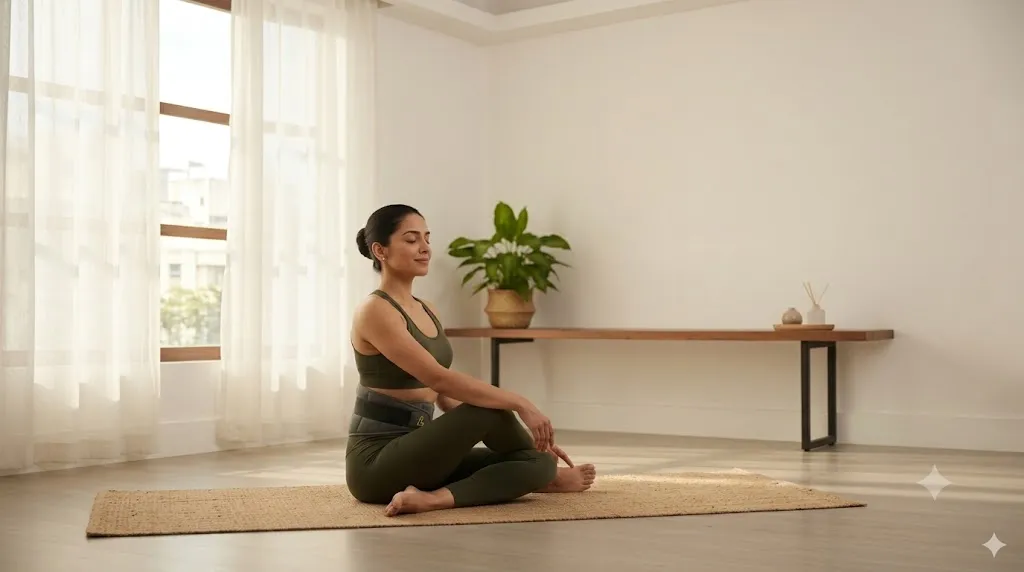

You bend to pick up a bag, sit through a long meeting, or stand in the kitchen for an hour, and your lower back starts to complain. Everyday strain like this affects people of all ages, and many look for simple ways to ease it without disrupting their routine. Arthagone™ designs supportive wear for these moments, and a well-fitted belt often sits at the center of that approach. This guide explains how back support belts work, who may benefit, how to wear one, and which habits boost the results.
Key Takeaways
- A belt gives gentle compression and posture cues around the lumbar area.
- It suits desk work, standing jobs, light lifting, and long commutes.
- Proper fit matters more than tightness.
- Short, targeted wear beats all-day use.
- Movement, stretching, and good ergonomics multiply the benefits.
- Persistent or severe pain calls for a medical evaluation.
How Back Support Belts Work
A lower back pain belt wraps around your waist and lumbar region to provide gentle compression. That compression warms the muscles, limits extreme bending and twisting, and reminds you to keep a neutral spine. Rigid stays add structure along the spine, while elastic bands let you adjust the level of support.
The belt does not replace your core muscles. It shares some of the load during moments of strain, so your back tires more slowly. Many wearers also report that the light pressure sharpens body awareness, which helps them catch slouching before it turns into soreness.
Common Causes of Everyday Back Discomfort
Habits, not injuries, cause most everyday back discomfort. Long hours of sitting tighten the hip flexors and load the spinal discs. Standing in one position fatigues the lumbar muscles. Lifting with a rounded back, sleeping on an unsupportive mattress, and skipping exercise weaken the muscles that stabilize your spine. Stress also tightens the muscles around the lower back and adds to the ache.
When you recognize your triggers, you can choose the right support and fix the habits behind the pain.
Who May Benefit From Wearing One
People with desk jobs often gain the most, because a belt cues upright sitting through long hours. Delivery drivers, retail workers, nurses, and warehouse staff use belts to steady their backs during repetitive lifting or extended standing. Gardeners, home renovators, and parents who carry toddlers all day also find the extra support useful.
A lower back pain belt can also help people who return to activity after a mild strain, since the compression gives a sense of stability. Older adults with general stiffness sometimes wear one to feel more confident during walks and chores.
Not everyone should rely on a belt. Pregnant women, people with heart or circulation conditions, and anyone with a diagnosed spinal condition should consult a healthcare professional first.
How to Wear It Correctly
Fit decides whether a belt helps or annoys you. Follow these steps:
- Measure your waist and hips, then match the numbers to the size chart.
- Position the belt so it covers your lower back and rests just above your hip bones.
- Fasten it snugly enough to feel supported but loosely enough to breathe comfortably.
- Wear it over a thin layer or directly on the skin to prevent rolling.
- Remove it when you rest or sit in a relaxed position.
Limit use to the activities that strain your back, usually two to four hours at a time. Wearing a lower back pain belt all day may lead your muscles to rely on it, so keep your core active.
Features to Look For
Not every belt suits every body. Compare these features before you choose:
- Breathable fabric: Mesh or moisture-wicking material keeps you cool during long wear.
- Adjustable compression: Dual straps or pull-tabs let you fine-tune the support.
- Supportive stays: Flexible or rigid panels stabilize the spine without limiting normal movement.
- Slim profile: A low-bulk design slips under clothes and stays comfortable while you sit.
- Easy fastening: Strong hook-and-loop closures let you adjust the belt with one hand.
- Durable stitching: Reinforced seams hold up through daily use and repeated washing.
Habits That Work Alongside a Belt
A belt works best inside a broader routine. Stand and walk for a few minutes every 30 to 45 minutes. Strengthen your core with planks, bird-dogs, and glute bridges. Stretch your hamstrings, hips, and lower back each day. Bend at the knees and hips when you lift, and hold the load close to your body. Adjust your chair, monitor, and keyboard so your spine stays neutral. Apply gentle heat to sore muscles after a long day.
These small actions reduce the strain that brings discomfort back, and they let the belt do its job with less effort.
Support Your Back Through Every Busy Day
Steady support makes long workdays, weekend projects, and family errands easier on your body. Arthagone™ builds belts around comfort, adjustability, and breathable design, so you can move with more confidence from morning to night. Explore the range, compare the fits, and pick the lower back pain belt that matches your routine.
FAQs
Can I wear a back belt while sleeping?
Most people do not need to. Your muscles rest at night, and a tight belt can feel uncomfortable in bed. Save it for the daytime activities that strain your back.
How tight should the belt feel?
Aim for firm, even pressure that you can sustain comfortably. If the belt restricts your breathing, digs into your skin, or causes numbness, loosen it.
How long can I wear it each day?
Most people wear a belt for two to four hours during demanding tasks. Take it off during rest, so your core muscles keep working.
Will a belt weaken my back muscles?
Overuse can. Wear it in moderation, and keep up your core exercises so your muscles stay strong and active.
When should I see a doctor?
Seek medical advice if your pain lasts more than a few weeks, follows an injury, spreads down your leg, or comes with numbness, weakness, or fever.


















Sign in to leave a comment.