

Hair loss can be frustrating, especially when you feel as though you have tried everything. Shampoos, oils, supplements, scalp massages, serums, and specialized devices all promise to make hair look thicker or encourage new growth. Among these options, electrical scalp devices have attracted attention because they offer a different approach to at-home hair care.
The phrase high frequency wand hair growth is often used when people search for these devices and their possible benefits. But what does a high-frequency device actually do? Can it make new hair appear, or is its role better understood as a scalp-care tool?
The answer is more nuanced than many advertisements suggest. A high-frequency device uses a glass electrode to produce a gentle electrical current around the surface of the skin. It is commonly marketed for scalp and skin care, but strong clinical evidence showing that this type of device directly treats common forms of hair loss is limited. That distinction matters.
A healthy scalp can certainly be part of a good hair-care routine. However, thinning hair can have many different causes, and treating the underlying cause is often more important than adding another gadget to your bathroom shelf.
What Is a High-Frequency Scalp Device?
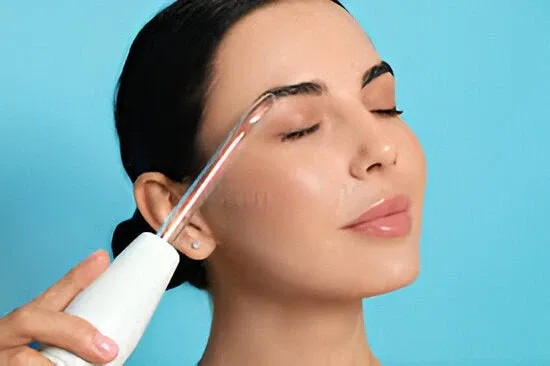
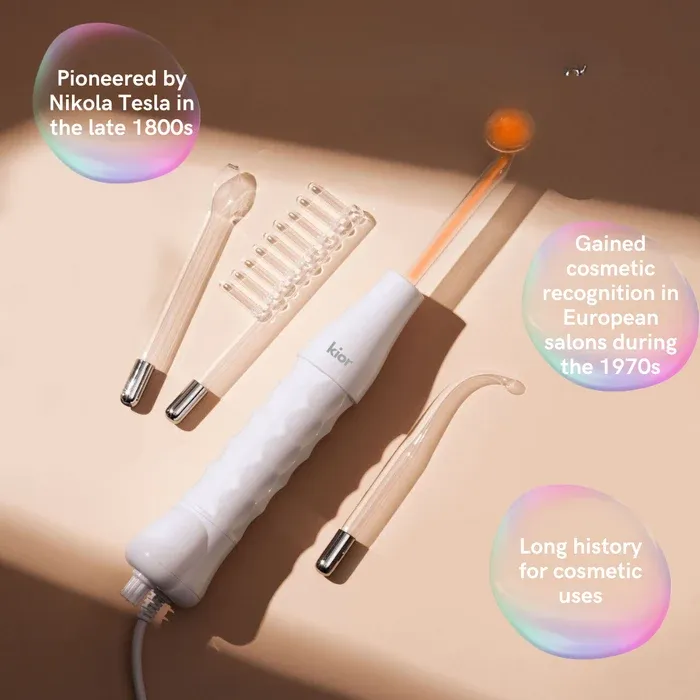
A high-frequency wand is a handheld beauty device that uses a glass attachment to deliver a mild electrical current over the skin. When switched on, the electrode may produce a faint buzzing sensation and, depending on the device, a subtle violet or orange glow.
The sensation can sound intimidating, but the device is designed to work at the surface of the skin rather than act like a needle or penetrate deep into the scalp.
Think of it like using a small electrical grooming tool rather than a medical injection. The electrode moves across the scalp while the device creates its electrical effect.
Different models come with different attachments. Some are shaped specifically for the scalp, while others are designed for facial use. Manufacturers may promote these devices for several cosmetic purposes, including cleansing the scalp, improving the appearance of the skin, or supporting circulation.
However, marketing claims should not automatically be treated as proven medical results. A device being popular does not mean every advertised benefit has been established through strong clinical research.
How Could It Affect the Scalp?
The basic idea behind high-frequency scalp treatments is that a mild electrical current interacts with the skin at the surface.
Some people report that their scalp feels warmer, cleaner, or refreshed after treatment. The movement of the electrode can also provide a sensation similar to a gentle scalp massage.
This is important because hair grows from follicles located inside the skin. The visible strand is only part of the picture. The follicle underneath the scalp is where the growth process takes place.
Imagine a plant growing in soil. Watering and caring for the soil may create a better environment, but simply touching the leaves does not guarantee that the plant will grow faster. Hair care is somewhat similar. Taking care of the scalp may support general scalp comfort, but that does not automatically mean a device will reverse hair loss.
At present, there is not enough high-quality clinical evidence to say that consumer high-frequency scalp devices reliably regrow hair in people with common hair-loss conditions.
Does It Actually Make Hair Grow?
This is the question most people want answered.
The honest answer is that evidence for high-frequency wands specifically is much weaker than evidence for certain established hair-loss treatments.
Research exists on several other technologies, including low-level light therapy. Systematic reviews have found evidence that specific light-based devices may improve hair density in some people with pattern hair loss. Those devices use particular wavelengths of light and should not be confused with ordinary high-frequency electrical wands.
That distinction is easy to miss because beauty marketing sometimes places several different technologies under the broad idea of “energy-based” scalp treatment.
A high-frequency wand is not the same thing as a laser comb, LED cap, or other light-based hair-growth device.
So, while there may be reasons someone enjoys using a high-frequency device as part of a scalp-care routine, it would be misleading to describe it as a proven hair-regrowth treatment.
Why Do People Associate These Devices With Hair Growth?
There are several reasons these products have become popular.
First, the treatment can make the scalp feel stimulated. The mild buzzing sensation can create the impression that something active is happening beneath the surface.
Second, scalp massage itself can feel relaxing and may make people more aware of their scalp condition.
Third, many people notice changes in their hair after improving their overall hair-care routine. For example, reducing excessive heat styling or treating scalp irritation may make existing hair appear healthier.
Finally, hair naturally goes through cycles. A person may begin using a device around the same time that normal shedding changes, creating the impression that the device caused the improvement.
This does not mean every personal experience is false. It simply means that an individual improvement does not prove that a particular device caused new follicle growth.
What a Healthy Scalp Can Do for Your Hair
Although a high-frequency device should not be treated as a guaranteed regrowth solution, scalp care still deserves attention.
The scalp is the environment surrounding your hair follicles. Excessive buildup, irritation, dryness, or inflammation can make hair care more difficult and may contribute to discomfort.
Basic scalp habits can include:
- Washing according to your scalp's needs
- Avoiding aggressive scratching
- Keeping styling-product buildup under control
- Limiting excessive heat
- Being gentle when brushing wet hair
- Avoiding hairstyles that constantly pull on the roots
- Getting persistent scalp problems evaluated
These simple steps are not glamorous, but they can make a meaningful difference to everyday hair care.
A device can be an optional addition to a routine, but it should not replace sensible scalp hygiene.
High-Frequency Wand for Hair: What Should You Expect?
If you decide to experiment with a high-frequency wand for hair, realistic expectations are important.
Do not expect dramatic regrowth within a few days. Hair follicles operate on a slow biological timetable. Even treatments that have better clinical evidence for certain forms of hair loss generally require consistent use over months rather than days.
It is also unrealistic to expect an at-home beauty device to restore hair in an area where follicles have been permanently destroyed.
A reasonable way to view such a device is as an optional cosmetic scalp-care tool rather than a guaranteed hair-loss treatment.
That mindset can prevent disappointment and help you focus on treatments that have stronger evidence if you are experiencing significant thinning.
How to Use a Scalp Device More Carefully
If your device's instructions permit scalp use, follow the manufacturer's directions rather than copying a routine from social media.
Start with clean, dry hair and scalp unless the instructions specifically say otherwise. Remove metal accessories that could interfere with the device, and make sure the electrode is clean.
Move the attachment gently instead of pressing hard.
There is no benefit to assuming that stronger sensations mean better results. Increasing intensity beyond the manufacturer's instructions can increase discomfort without proving that it will improve hair growth.
Avoid holding the electrode in one spot for an unnecessarily long time.
A simple approach is usually better: follow the recommended setting, move the device steadily, and stop if the skin becomes painful or unusually irritated.
Avoid Using It on an Irritated Scalp
A gadget should not be used to push through a scalp problem.
If your scalp is cracked, bleeding, severely irritated, infected, or unusually painful, pause cosmetic treatments and seek appropriate medical advice.
The same applies if you suddenly develop significant shedding, bald patches, intense itching, scaling, or other unusual changes.
Hair loss is not one single condition. Different problems can look similar at first but require very different approaches.
For example, gradual thinning around the hairline or crown can have a different cause from sudden patchy loss. Hair shedding after illness or major stress may also behave differently from long-term hereditary thinning.
Trying random products without understanding the cause can delay useful treatment.
Why the Cause of Hair Loss Matters
One of the biggest mistakes people make is treating all hair loss as though it were the same.
Pattern hair loss is influenced by genetics and hormones. Other forms can be connected with illness, nutritional problems, medication, autoimmune conditions, physical stress, or damage caused by styling practices.
If the underlying cause is not addressed, a cosmetic device may have little effect.
For people with pattern hair loss, treatments such as minoxidil have substantially more clinical evidence than high-frequency scalp wands. The American Academy of Dermatology notes that minoxidil can stimulate growth and help reduce further hair loss, although results take time and continued use is generally needed to maintain benefits.
Research has also investigated low-level light therapy as an option for pattern hair loss, with reviews reporting improvements in hair density in some study groups. Again, this technology is different from high-frequency electrical treatment.
That is why identifying the type of hair loss is so important.
Can It Replace Proven Hair-Loss Treatments?
It should not be viewed that way.
If someone has a diagnosed hair-loss condition, replacing an evidence-based treatment with an unproven beauty device could mean losing valuable time.
Some treatments have been studied in controlled clinical trials and have clearer evidence for particular forms of hair loss. Others have promising early research but still need more long-term data.
High-frequency scalp wands fall into the latter conversation when they are promoted specifically as hair-regrowth solutions: there is not enough strong clinical evidence to confidently claim that they can treat common hair-loss disorders.
That does not make the device automatically useless. It simply puts its potential benefits into perspective.
Possible Benefits Beyond Hair Regrowth
Someone may still enjoy a high-frequency device for reasons unrelated to producing new hair.
For instance, a gentle scalp-care routine can encourage people to pay more attention to their scalp. The treatment may also feel relaxing, especially when incorporated into a broader self-care routine.
Some users may appreciate the feeling of a freshly treated scalp, although individual experiences vary.
The key is to separate comfort and cosmetic care from medical claims.
Feeling that your scalp is refreshed is a perfectly reasonable personal benefit. Claiming that the device has reversed genetic hair loss is a much stronger statement that requires stronger evidence.
Common Mistakes to Avoid
Using too much pressure is one mistake. Your scalp does not need aggressive rubbing for a device to work as intended.
Using the device excessively is another. More treatment does not automatically equal better results.
Some people also combine several powerful scalp products at once. If irritation develops, it becomes difficult to determine which product caused it.
Another common mistake is taking before-and-after photographs under completely different lighting. Hair can appear dramatically thicker or thinner depending on the camera angle, hairstyle, moisture, and brightness.
If you are monitoring your hair, take photographs under similar conditions. This gives you a more realistic comparison over time.
When Should You Talk to a Dermatologist?
Consider professional advice if hair loss is persistent, worsening, sudden, or accompanied by scalp symptoms.
A dermatologist can examine the scalp and hair pattern and determine whether further testing is appropriate.
This is especially useful when the cause is unclear. Instead of trying five different products at once, you can first understand what is happening and then choose an appropriate strategy.
A professional evaluation can also help distinguish ordinary shedding from a condition that requires treatment.
How to Build a Sensible Hair-Care Routine
Healthy-looking hair usually comes from several small habits rather than one miracle product.
A practical routine might include gentle washing, careful detangling, sensible use of heat, adequate nutrition, and avoiding hairstyles that constantly pull on the roots.
If you have a diagnosed hair-loss condition, follow the treatment plan recommended for that condition.
A scalp device can remain an optional part of your personal grooming routine if you enjoy it and use it safely. Just keep its role realistic.
Think of it like polishing a pair of shoes. Polishing can improve their appearance, but it cannot repair a broken sole. In the same way, scalp care may improve the overall grooming experience, but it cannot necessarily address the biological cause of hair loss.
Conclusion
Kior's High frequency wand devices are interesting beauty tools, but their reputation as hair-growth solutions is ahead of the available evidence. They create a mild electrical effect at the surface of the scalp and may be enjoyable as part of a personal-care routine, yet there is currently not enough strong clinical evidence to say that they reliably regrow hair or treat common hair-loss conditions.
If your main goal is thicker hair, focus first on understanding why your hair is thinning. Evidence-backed options exist for several types of hair loss, while research continues into additional treatments and technologies.
A high-frequency device can be viewed as an optional extra rather than a magic answer. Keeping expectations realistic allows you to enjoy scalp care without confusing cosmetic maintenance with medically proven hair restoration.
Frequently Asked Questions
1. Can a high-frequency device regrow lost hair?
There is not enough strong clinical evidence to conclude that high-frequency electrical scalp devices reliably regrow lost hair. Their use should not be considered a replacement for established hair-loss treatments.
2. How often should I use a high-frequency scalp device?
Follow the instructions supplied with your specific device. Avoid assuming that using it more frequently or at a stronger setting will produce better results.
3. Is a high-frequency scalp wand the same as a laser hair-growth device?
No. High-frequency devices use electrical current, while low-level light devices use specific wavelengths of light. Research supporting light-based treatment cannot automatically be applied to high-frequency wands.
4. Can I use one if my scalp is irritated?
It is better to avoid using electrical cosmetic devices over damaged or significantly irritated skin. Address the scalp problem first and seek professional advice when symptoms are severe or persistent.
5. What should I do if my hair keeps getting thinner?
Rather than relying only on cosmetic devices, consider speaking with a dermatologist. Finding the cause of the thinning can help determine which treatment options are appropriate.












Sign in to leave a comment.